How to Master Body Posture and Running Techniques
Running seems to be a technique that everyone has mastered, but as a specialized training in running, your technique may not be perfectly correct, so it is necessary to check your own movements to see if they are correct, because incorrect movements can hinder health.
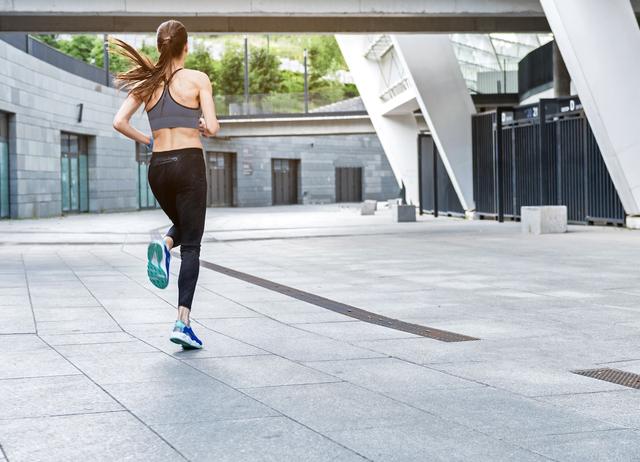
Below we will detail the movements in detail, how each part of the body should do during running.
Head
To keep both eyes level, do not look down, nor tilt up. Some people like to run with their heads tilted, which easily causes one side of the muscles to become tense and is not aesthetically pleasing. Some people also unconsciously probe their heads forward, making the neck and chest muscles very tense and look very laborious. Some overweight people will tilt their heads back when running to maintain a natural balance, which needs to be paid attention to correction.
Chest and Back
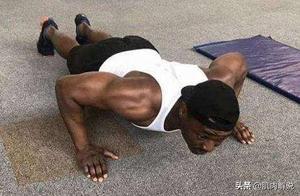
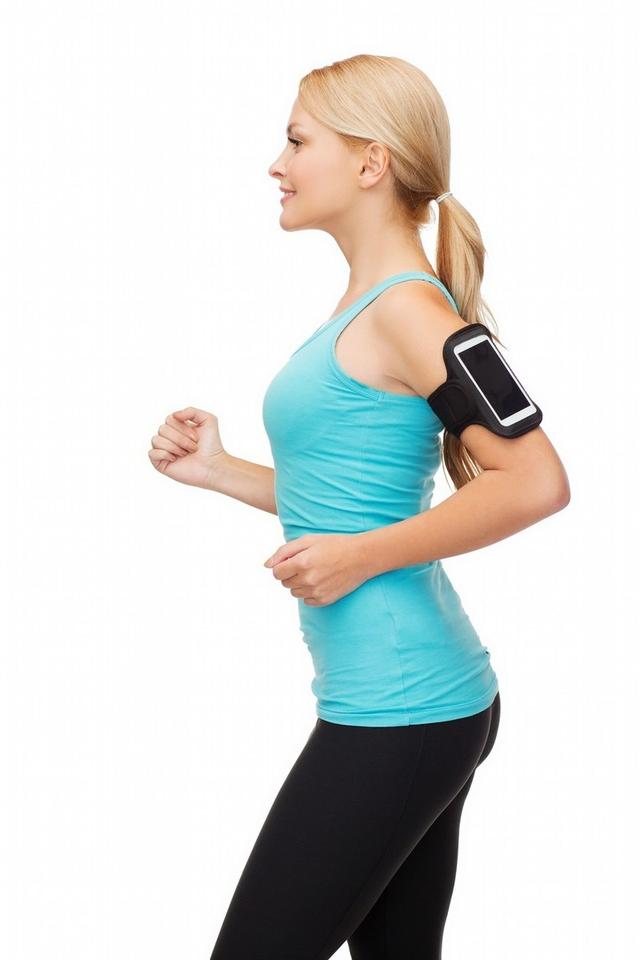
To maintain a natural posture, do not intentionally hunch your chest, nor deliberately straighten your chest. This is not only common in elderly people who run with a slight hunch in their back, but young people also often appear like this, which hinders the breathing movement of the ribcage. By increasing the movement of the arms outwards, the chest can be straightened. Incorrect movements in the chest and back often result from the shoulder straps and back muscles of the upper body being weak, so these muscles are not adapted to the prolonged movement of the upper limbs, which leads to errors. Therefore, people with weaker upper limb and back muscles should combine with exercises such as single-arm, double-arm, dumbbell, or push-ups to strengthen the muscles.
Waist
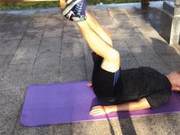
The waist is the pivot of the body during running, so it is the most fatigued part to feel when practicing running for a long time. And when the waist feels sore and soft, it will immediately make the upper body and lower limbs unable to coordinate. Some people often use their hands to support their lower back when running, which is useless. The most effective way is to do some abdominal strength exercises, such as abdominal exercises on the bed or on a pad, abdominal raises on a wooden board, etc. When practicing running, maintain a slight tension in the waist and abdomen, do not hunch or sag, and slightly lean forward with the upper body. From the perspective of running technique, the correct rotation of the waist with the up and down movement of the legs is very important.

Arms
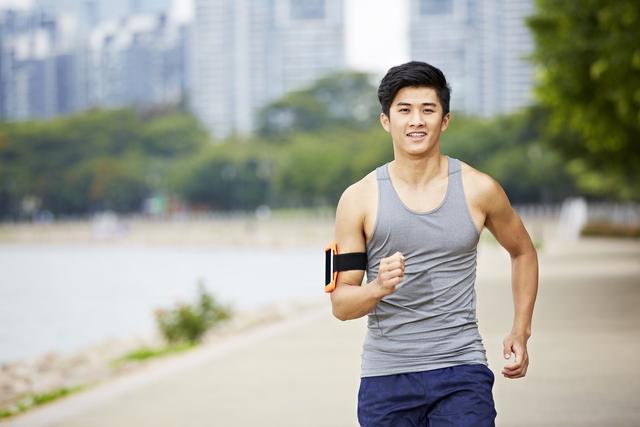
Both hands should be naturally slightly bent into a half-closed fist, do not pinch the fists tightly, nor completely open the palms. (Muscle tension in the fingers can cause stiffness in the entire forearm and upper arm.) The elbow joint should be bent, and the forward movement should be smaller than 90 degrees, and the backward movement should be greater than 90 degrees. The shoulder joint should be relaxed and move back and forth naturally. Some people do not move their arms when running, and their arms are tightly clamped to their bodies, which is incorrect. Because the movement of the arms is coordinated with the stepping movement of the legs. When the left (right) leg steps forward, the right (left) arm moves forward, which helps to maintain stability and balance. Some people move their arms horizontally when running, which causes the body to have a force in the left (right) direction, which is unnecessary and not aesthetically pleasing. Some people move their arms at a very low height, especially some women often like to move their arms in front of their abdomen, which makes the arms tired and hinders the movement of the legs. The arms should be slightly higher, but not let the hands move to the height of the lower jaw and mouth.
Legs
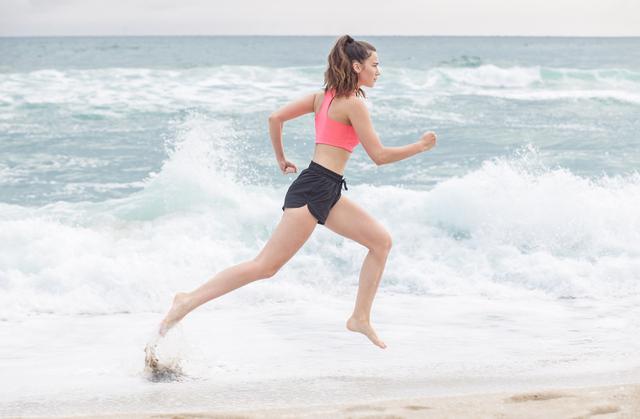
When running, the large thigh moves forward with the small thigh, the extent to which the large thigh can be raised depends on the strength of the abdominal muscles and the front thigh muscles of each person, and it cannot be forced. However, for the elderly, try to raise the legs as much as possible and do not run with their feet on the ground. When kicking the ground, the leg should also move backward and downward, and cannot be forced. However, do not 'sit and run' (caused by the posture of no back extension and no hip movement). In general, the movements of the legs should be relaxed, powerful, and elastic. Teenagers should pay attention to strengthening the kicking force of the legs, and can do jumping exercises and exercises with added weight to improve the strength of the leg muscles.
Foot Landing is very important, if the foot landing is not correct, the muscles of the legs are likely to be sore, especially the knee area will have swelling. The correct foot landing should make the front of the foot or the whole foot land, but when running slowly, it is difficult to do this. At this time, you can use the heel to land gently, and then transition to the front of the foot to land. The landing action must be light, to cushion the vibration against the back of the head.

Breathing during running should be uniform, rhythmic. According to the rhythm of running and personal habits, one step one inhalation, or two steps one inhalation, or three steps one inhalation, exhalation should try to achieve full. Deep breathing helps to increase oxygen intake, so when deep breathing is difficult, do not make breathing too fast and shallow. Especially in the initial stage of training, if you feel breathless, you can lower the running speed and adjust your breathing.
When practicing in winter, to prevent cold air from directly entering the respiratory tract, use your tongue to block your upper jaw, so that the cold air first passes through the mouth and then enters the throat and trachea. Running at a uniform pace, try not to accelerate suddenly. There are two types of running steps: one is a large step, low frequency, suitable for people with taller stature and strong leg strength, especially teenagers. The other is a small step, high frequency, suitable for the elderly and women. During the exercise, gradually achieve a balance between tension and relaxation, and let the muscles of all parts of the body have sufficient rest at appropriate times.
When practicing together, each person should have an independent plan, do not force the companion with better fitness and training experience to follow, nor accommodate the inexperienced companions who are not good at training, otherwise, the effect of good fitness will not be achieved.