What is the Difference Between Hiking Shoes and Mountaineering Shoes?
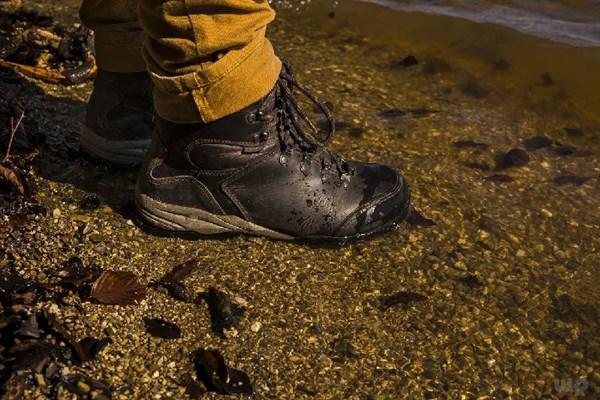
Regular sports activities can make our bodies healthier, but choosing the right shoes during exercise can avoid foot injuries, especially for climbers who must choose shoes suitable for themselves to better protect their feet. Our everyday hiking and mountaineering shoes have some differences. Let's understand the differences between hiking shoes and mountaineering shoes.
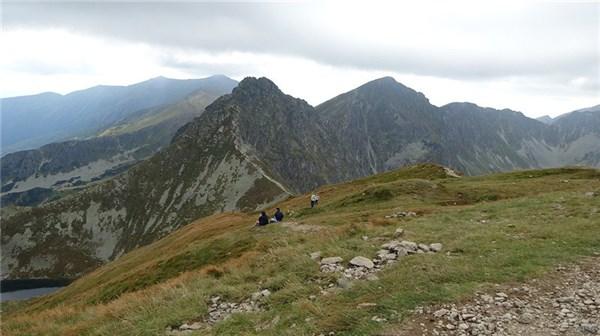
What is the difference between hiking shoes and mountaineering shoes?
Firstly, from the application occasion, mountaineering shoes are generally applicable to rocky mountain roads, and hiking shoes are more suitable for relatively flat, few sharp objects. This is the most obvious and also the entry point for analysis.
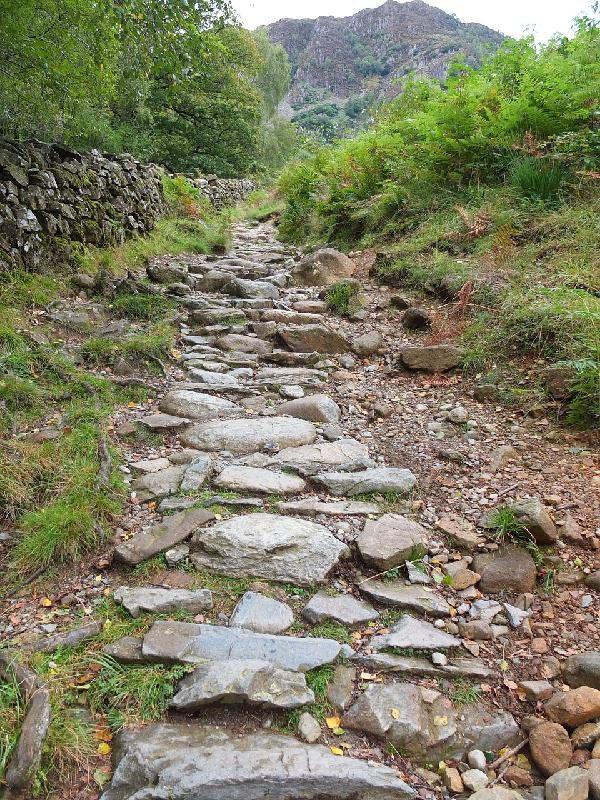
Function depends on demand. Mountaineering shoes are often used on mountain roads. Mountain roads are rugged and prone to sprains, so mountaineering shoes are designed with medium/high-cut to effectively protect the ankles. Mountain roads are full of debris, which can cause slipping, so mountaineering shoes put a lot of effort into anti-wear and anti-slip. Mountaineering shoes have a hard shoe sole. The outsole is usually made of rubber plus carbon mechanism, anti-stab and anti-piercing, and does not deform easily, effectively protecting the foot plate from wear and pain, and the pattern on the outsole is sparse, emphasizing effective anti-slip; the midsole is designed to be shock-absorbing, pressure-reducing, and hard, increasing the overall stability and support effect of the shoes; the insole has no special features. In addition, due to uneven mountain roads, the entire shoe has been subjected to strong impact, so mountaineering shoes have a full leather or whole leather shoe face, effectively preventing the shoe from deformation.
Hiking shoes are generally low-cut because hiking shoes are for walking on good road conditions and long-distance walking. Therefore, the protection provided by the hiking shoe sole is to protect the feet from sweating and breathable, which is also the reason why hiking shoes can be used as urban casual wear. Mountaineering shoes are all high-cut, which is to protect the feet from sprains on uneven road conditions. More importantly, the soles of mountaineering shoes are hard.
The structure of mountaineering shoes is to provide better mountaineering technical support. A professional mountaineering shoe is generally as follows:
1. The patterns on the front and back edges of the shoe are for a firmer grip on the ground and rock face.
2. The subsequent patterns are mainly for braking and effective walking.
3. The patterns on the left and right sides are to prevent side slip.
4. The middle part of the outsole and the heel front patterns are for turning and braking.
5. The outsole patterns have drainage grooves to efficiently lead out rain, snow, mud and sand from the outsole, further improving the anti-slip, shock absorption and cushioning effect of the outsole.
Hiking shoes are made up of the upper and insole. The upper is usually made of leather, nylon or leather nylon, while the insole is usually made of synthetic materials or soft leather, and some shoes also add a soft pad to improve warmth and comfort. Although synthetic materials are becoming increasingly excellent, leather is still the best. Leather is not easy to deform, its waterproof, breathable and warm properties are better than any synthetic material. A good shoe is usually made of a whole piece of leather (except the heel and tongue), and the shoes made in this way will maintain a good shape after wearing for a period of time.
When exercising, there will always be accidental injuries. This is an introduction to the differences between hiking shoes and mountaineering shoes. After understanding, we know that mountaineering shoes are generally high-cut, and the shoes have anti-slip properties. When we do sports, we must choose appropriate shoes to reduce some unexpected situations.
Copyright Statement: The text is irrelevant to pictures, and the article is forwarded in order to pass on more information. If there is an error in the source annotation or infringement of your legitimate rights, please contact the author with the ownership proof, and we will promptly correct or delete it, thank you.