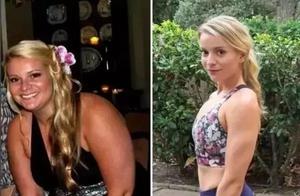
How to Create a Perfect Weight Loss Meal Plan?
Whenever we talk about weight loss, we instinctively associate it with—starving ourselves. We always feel that to lose weight, we must eat less and less and less! Is there really no way to lose weight without feeling hungry? Of course there is! Today let's have a good chat about how to create a perfect weight loss diet plan
How to customize a perfect weight loss diet plan
1Create a calorie deficit: Calculation
A weight loss diet plan that is suitable for you should start with a calculation problem.
Data table for energy intake according to the 2016 Chinese Dietary Guidelines, the daily energy intake range for adults is 1600-2400 kcal. Taking adult women as an example, their daily protein intake should be 67g. For this data, we need to reduce energy intake and open a calorie deficit.
Diet energy data table
It is recommended to open the energy deficit from the diet no more than 500 kcal per day, that is, the data needs to be changed to:
- Total energy: 1300 kcal
- Total carbohydrate energy supply ratio: 50%~65%
- Total fat energy supply ratio: 20%~30%
- Protein above 40g
Comparing this data, we need to adjust the above energy distribution according to our eating habits. For example, we can allocate the energy according to the most common one-day three meals: breakfast: lunch: dinner = 3:4:3 ratio.
2Food selection and matching
After knowing the calculation and allocation of energy, can we high-fiving and without worries? In fact, this is the second step, and it is also a very important step, which is the selection of ingredients. If you choose the right ingredients, you can avoid hunger.
For the same amount of calories, if you eat a cookie, I eat half a sweet potato, which is more filling? Which one is more nutritious? I think, for people who want to lose weight, it should be the latter. Let's take a look at how we should choose different kinds of food.
Main food
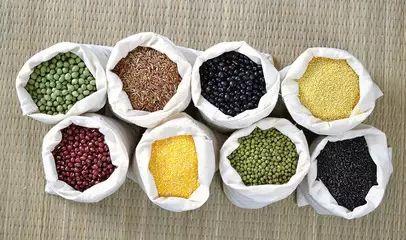
Eat more whole grains, miscellaneous grains, miscellaneous beans, potatoes, etc. Increase the variety of staple foods and reduce the intake and frequency of white rice.
Meat, eggs, and milk
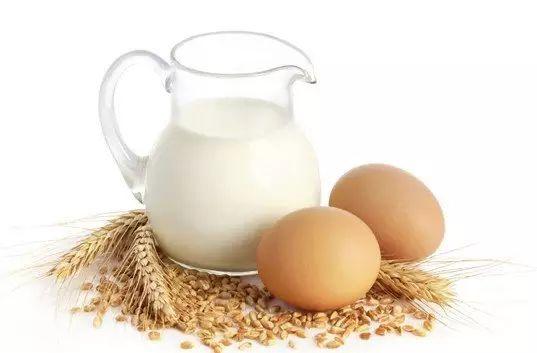
Ensure that you eat one egg and one bag of milk (lactose-intolerant people can replace milk with yogurt or hydrolyzed milk; people allergic to milk can choose soy milk); Meat should be fresh fish and shrimp, chicken breast, lean meat; Chicken hearts, livers and other fat-low inner organs can be eaten occasionally; Eat less sausage, bacon, etc. Do not eat animal skins, roasted duck belly, etc. that are very high in fat.
Vegetables
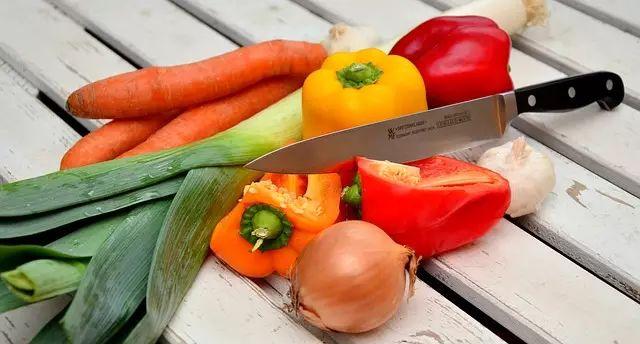
Replace starchy vegetables with part of the staple food, such as lotus root, yam, winter melon, etc.; According to the 2016 Chinese Dietary Guidelines, the recommended amount of vegetables is 300-500g, half of which should be deep green vegetables.
Fruits

Do not use fruit as a meal replacement, and do not eat a lot of fruit. According to the 2016 Chinese Dietary Guidelines, the recommended amount of fruit is 200-350g.
3Selection of cooking methods
Even if it's the same amount of potatoes, steamed potatoes, stir-fried potatoes, and potato chips, they are three different energy levels. Cooking methods are very important, remember that.
Choose steaming, boiling, stewing, baking, etc. as cooking methods. Using non-stick pan is a must for weight loss, it can effectively reduce the amount of oil we use when stir-frying, and sometimes we can just brush a thin layer of oil on the pan before frying, isn't it wonderful?