One Week Healthy Dinners (61) – Resistant Starch and Weight Loss
People who are concerned about their health know that whole grains (such as coarse tea and rice) with a large amount of fiber, although dark in color and with a slightly rough texture, can promote health. However, eating a large amount of finely milled white rice will increase the risk of metabolic diseases such as obesity and diabetes.
Many friends are very troubled: 'I know that coarse grains, whole wheat noodles, and rice are healthier, but I don't like the taste and prefer to eat finely milled white rice. What can I do to stay healthy?' The answer is of course there, the key is resistant starch.
Humans consume the most carbohydrates, which are starches. High-starch foods (such as rice and noodles) begin to decompose in the mouth by the human body. Resistant starch, on the other hand, cannot be digested and absorbed by the human body, but can be decomposed and utilized by the microorganisms in the small and large intestines. Therefore, compared to ordinary starch, resistant starch has a lower calorie content (instead of being eaten by people, it is eaten by microorganisms) and a stronger satiety effect (short-chain fatty acids produced by the breakdown of resistant starch can regulate appetite and reduce inflammation), which have very positive significance in helping the human body maintain weight control and blood sugar regulation.
Therefore, in many places around the world (such as Japan), resistant starch is not only one of the main sources of dietary fiber, but also a common source of probiotics.
What's more amazing is that compared to the dietary fiber in whole grains, resistant starch is easier to accept because it is mainly found in finely milled grains (such as peeled rice and white noodles). Some friends may ask: 'That's great, if I eat finely milled white rice every day, can I get a lot of resistant starch?' Of course not so simple, cooking methods will significantly affect the content of resistant starch,
Raw grains, potatoes and beans contain a large amount of resistant starch, but the cooking and heating process will significantly reduce the content of resistant starch. Therefore, fresh and hot staple foods lack resistant starch, but if the staple food is cooked and then refrigerated for a period of time, the content of resistant starch will increase significantly,
Research shows:
- After cooked potatoes are refrigerated for a night, the content of resistant starch can increase by 2 times;
- Cooked white rice, after staying at room temperature for 10 hours, the content of resistant starch can increase by 1 times, and when refrigerated for 24 hours, it can increase by 1.5 times. Even after heating and eating refrigerated rice, the content of resistant starch is not small,
- Noodles, after cooking, if refrigerated, the content of resistant starch can increase by about 1 times;
- Yellow beans, red beans, green beans, lentils, chickpeas, wheat flakes, sweet potatoes, etc., after cooking and refrigerated before eating, the content of resistant starch increases significantly.
Therefore, those who don't like coarse grains and prefer finely milled white rice can obtain a large amount of resistant starch by refrigerating cooked refined foods for a period of time, which can alleviate the adverse effects of eating too much refined food and increase the intake of dietary fiber and probiotics.
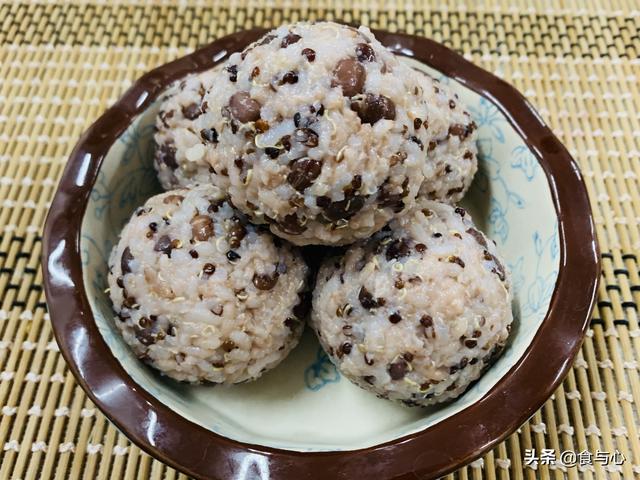
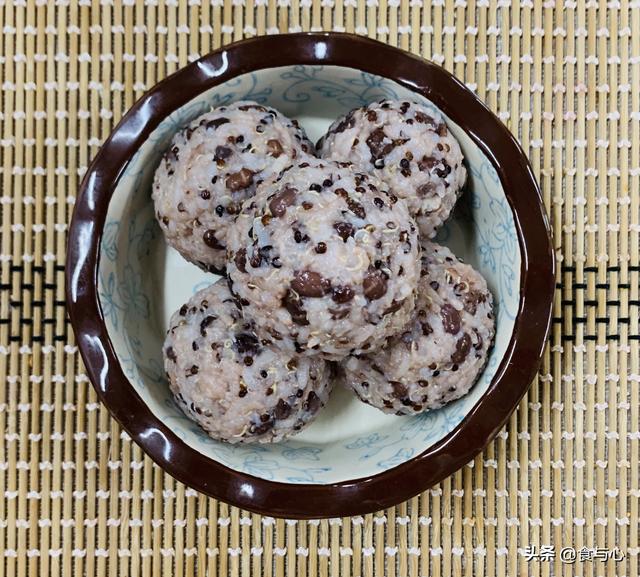
Specifically, when eating daily, you can refer toEat & HeartRecently often eaten cold rice balls, self-made rice balls refrigerated, or convenience store cold rice balls all contain a lot of resistant starch. In addition, eating cold noodles, cold noodles, cold buckwheat noodles, and udon noodles can also increase the content of resistant starch. If you cook noodles yourself, after cooking, rinsing them with cold water for a period of time not only increases resistant starch, but also reduces the salt content in the noodles, which can achieve two things in one!
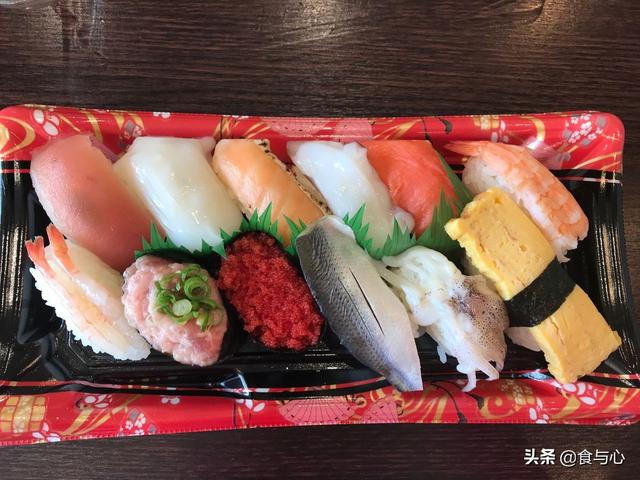
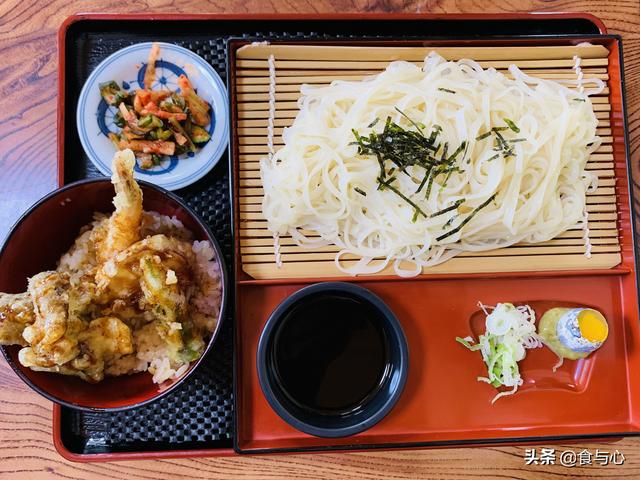
Many people are psychologically resistant to eating cold rice. 'Eat & Heart' once had this problem. Because I had to work in Japan for a long time, I started eating cold rice, and now I love eating cold rice balls, sushi, cold buckwheat noodles, and found that this intolerance is mainly due to psychological factors. If you don't have trouble eating ice cream and cola, but feel uncomfortable in your intestines after eating cold rice, you may really have discomfort due to the release of corticotropin-releasing hormone and adrenaline by the pituitary gland, which causes discomfort in the intestines,
Once you get used to it, you will find that the more you eat, the better it is, saving money and being healthy, what's not good?
Below is an introduction to several dishes that can provide us with sufficient nutrients, satiety, and weight control every day.
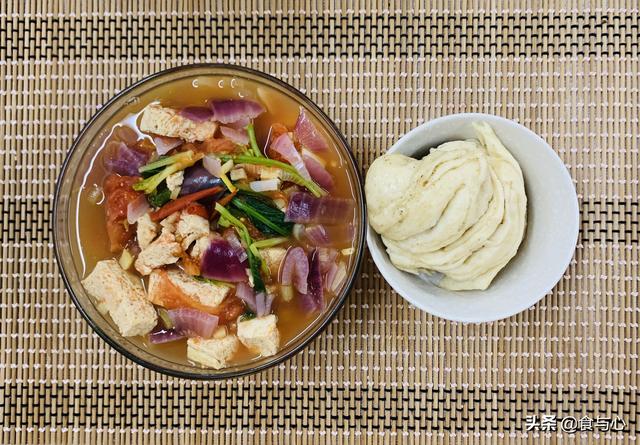
Day1. Spinach, tomato, onion, tofu soup + bun
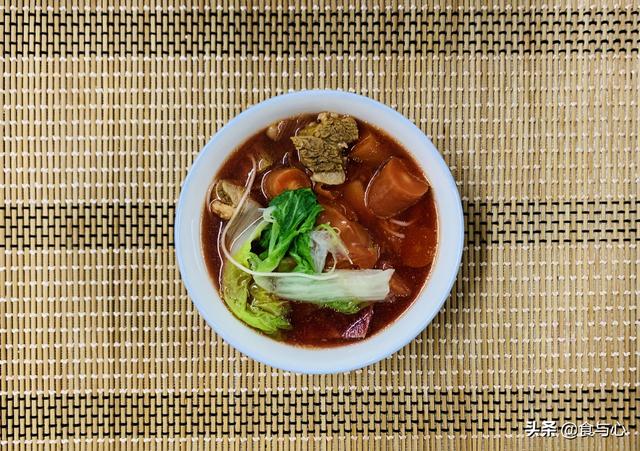
Day2. Small white cabbage, carrots, red cabbage, beef and noodles
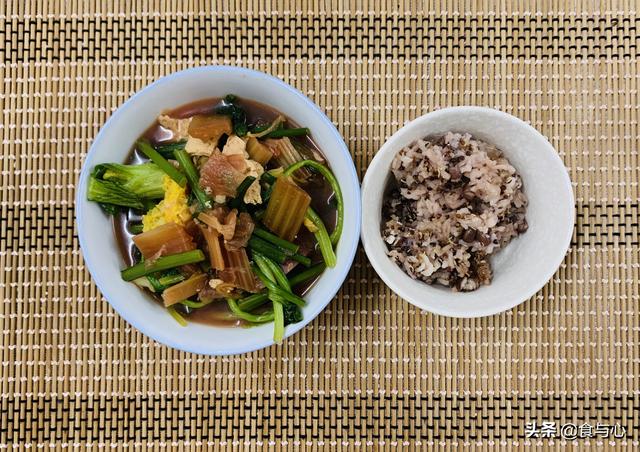
Day3. Small oil rapeseed, spinach, onion, leeks, tofu soup + red bean quinoa rice
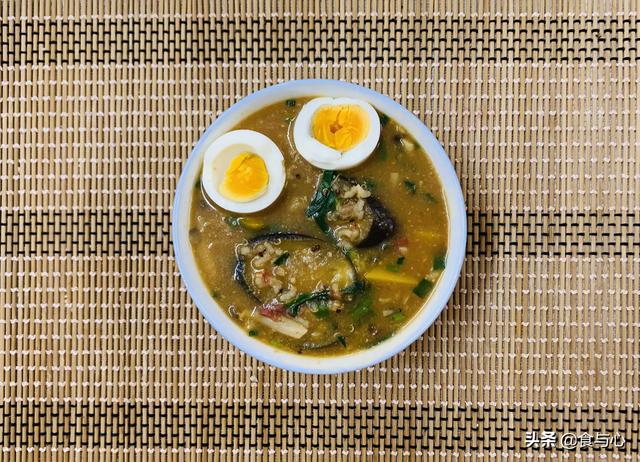
Day4. Leeks, white cabbage, tomato vegetable porridge + boiled eggs
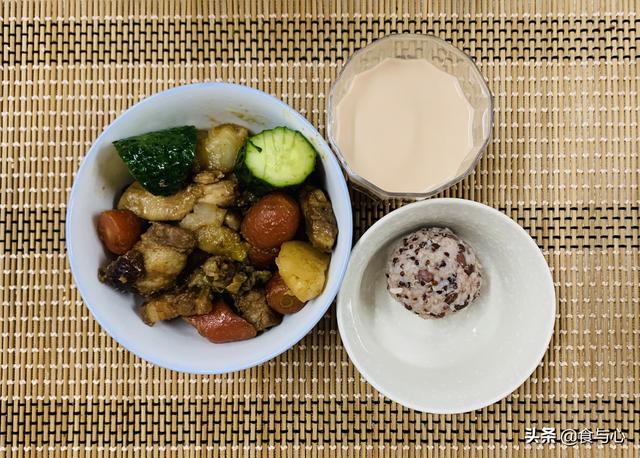
Day5. Carrots, potatoes, eggplants, pork belly stir-fry + cucumber salad + red bean quinoa rice balls + milk tea
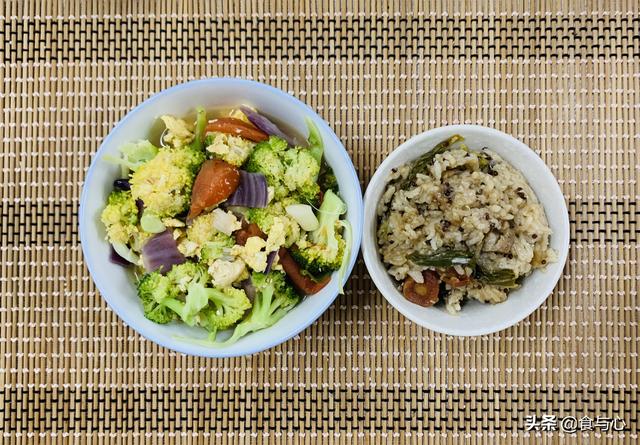
Day6. Broccoli, tomatoes, purple sweet potato, egg, tofu soup + carrots and vegetables rice
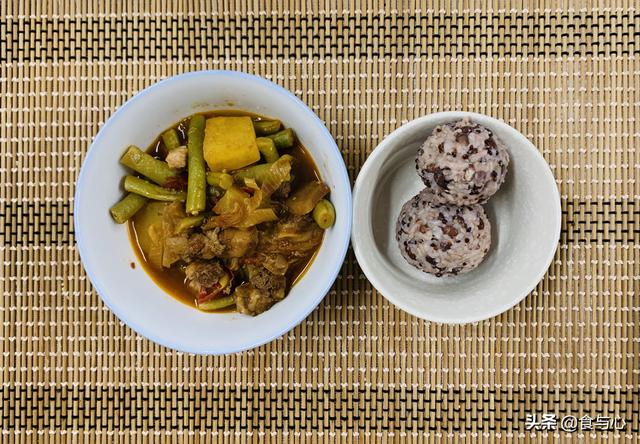
Day7. Bean sprouts, potatoes, tomatoes, pork belly stir-fry + red bean quinoa rice
Careful friends will find that these dinners have common characteristics, mainly simple high-quality protein foods (pork, eggs, milk tea, and tofu), staple foods (rice, noodles, potatoes, and buns), and colorful vegetables (small white cabbage, small rapeseed, spinach, leeks, onions, tomatoes, broccoli, carrots, etc.). The colorful vegetables are not only to stimulate the senses and beautify the appearance, but also represent different types of pigments, such as chlorophyll, lutein, carotenoids, anthocyanins, and lycopene. These antioxidants are one after another!