Visible Chest Muscles Depend on Body Fat: Reducing Fat is the Key
Men's chest muscles are visible if their chest fat is high. This article, 'One Muscle', will chat with you about reducing fat. The majority of body fat is stored under the skin and distributed in different degrees in each area, especially the waist and chest in men, and the hips and thighs in women. As body fat percentage increases, it will be stored throughout the body (even in inconspicuous places such as your face, hands and feet), but especially in the above-mentioned areas.
If your body fat percentage is high, it's the main reason why men's chest muscles aren't visible. In this case, you need to lose weight! The only way to eliminate obesity is to reduce the overall body fat rate. You cannot ‘reduce’ chest fat by doing a lot of chest exercises, so the only solution is to gradually reduce fat reserves until your chest fat disappears.
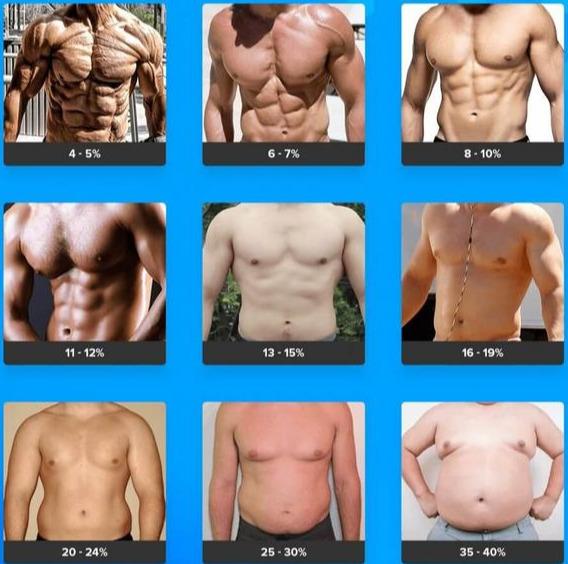
4 ways to reduce your body fat rate
Weight loss and fat loss are two completely different things.
It's easy to lose weight: eat less and do more aerobic exercise. If you persevere, you will lose a lot of fat, but as fat is lost, most of your muscles will be lost.
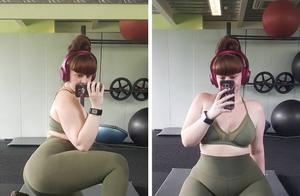
When it comes to reducing fat, many obese people have developed to the point where the skin becomes slack. (As shown in the picture below)
The best way to deal with slack skin is to maintain and exercise muscles, which will help fill the space previously occupied by fat. Specifically, you should follow the following four steps:
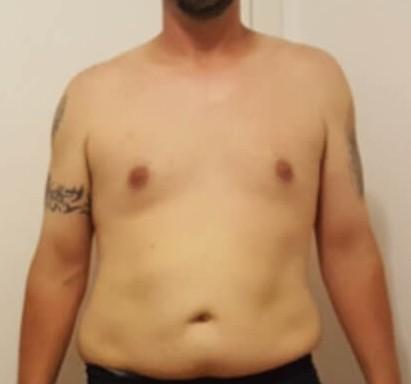
Reduce your calorie intake by 25%
- Eat a high-protein, high-carb diet
- Do a lot of heavy, compound weightlifting
- Do high-intensity interval training (HIIT) and aerobic exercise
- Now let’s take a look at these strategies, why they work, and how they work to achieve results.
First, reduce your calorie intake by 25%

The only way to reduce fat is to create a calorie deficit. It is important to pay attention to both calorie intake and calorie expenditure. When you consume fewer calories than you burn, your body is forced to burn a large amount of internal fat to meet its energy needs.
And if you want to reduce chest fat as quickly as possible, you need to ensure that you are in a significant deficit, specifically, you should consume about 25% less than you burn each day.
Second, eat a high-protein, high-carb diet
If you don't eat protein, it will be difficult for you to lose weight, especially when reducing fat instead of muscle. A daily protein intake of 0.8 to 1.2 grams per pound of body weight is the best choice for most people, which is equivalent to about 30 to 40% of calories.
If you are overweight, you can reduce about 1 gram of protein per pound of fat-free fat.
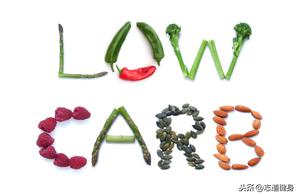
Now most people know that a high-protein diet is better than a low-protein diet, but many people don’t know that in terms of weight loss and calorie restriction, a high-carb diet is much better than a low-carb diet. Therefore, considering all factors, a reasonable goal is: 40% protein, 40% carbs, 20% fat.
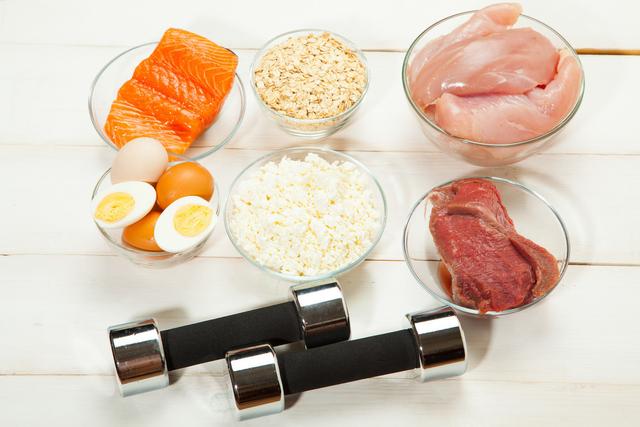
Third, do a lot of heavy, compound weightlifting
Reducing chest fat is not a special exercise for your chest; it is about maintaining or gaining muscle while reducing body fat. The best way to train is to lift heavy, compound weightlifting.
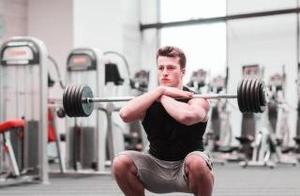
Focus on compound exercises, which are exercises that target multiple large muscle groups, such as squats, bench presses and deadlifts. ‘Heavy’ means the weight you lift exceeds 70% of your maximum. The main reason for heavy effective compound is that it overloads the muscles, which is the main cause of muscle growth.
I usually recommend that you at least do 3 heavy compound exercises per week, 4 to 5 times per week, or even achieve better results.
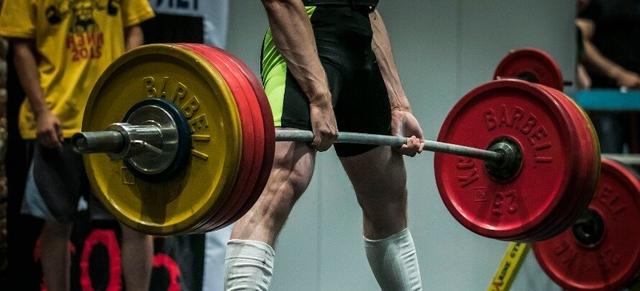
If you really can’t do anything, make sure the priority of weightlifting training is also higher than aerobic exercise. If you want to reduce fat quickly, at least do three heavy weightlifting exercises per week.
Fourth, do high-intensity interval training (HIIT) and aerobic exercise.
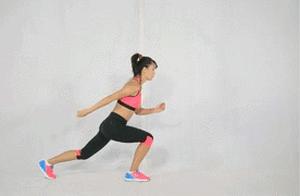
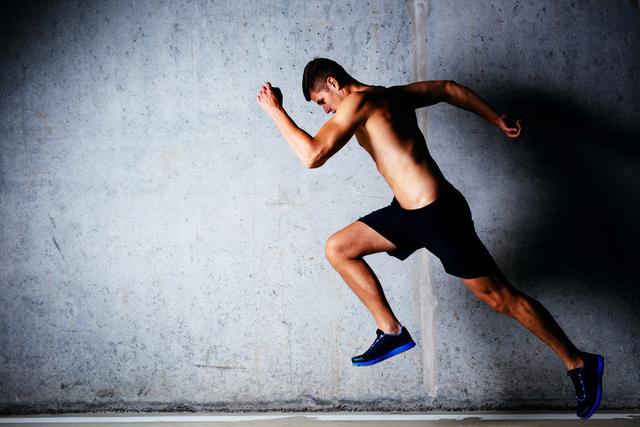
HIIT is an aerobic exercise that involves short bursts of maximum effort sprints. It’s very effective for burning fat. Specifically, a 25-minute HIIT workout can burn as much fat as 60 minutes of traditional aerobic exercise. However, the main disadvantage of HIIT is that the body will be difficult to recover after completion. Therefore, in addition to compound training, you should not do HIIT training three times per week.
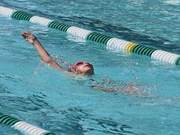
To consume more calories, in addition to HIIT training, you can also consider some light aerobic exercises such as cycling, swimming and rowing. Although walking doesn’t burn as many calories per minute as HIIT, it's easy to complete and recover, which makes it a powerful way to lose weight. I suggest you start twice a week for 30 minutes of walking, and increase or decrease it according to your body reaction.
To maximize fat reduction, you can do a maximum of three 25-minute HIIT workouts per week, or use a light aerobic exercise to further accelerate fat loss, and you can also consider twice or three times 30 minutes of walking to replace or supplement HIIT training.
Finally
Many people see their body fat rate exceeding 40 and immediately choose liposuction, but it's not the best solution. In most cases, it’s difficult but effective to reduce body fat by sports and diet. I have seen many people who think they will never get rid of obesity, and after several months of appropriate diet and exercise, they completely eliminate obesity. It sounds good in theory, but it's difficult to implement. If you follow the four steps above, you can also get rid of the trouble of having a lot of fat.
HIITHIIT30
25HIIT30HIIT
40