Yu Chun: Why Do I Want to End Friendships But Feel It's Hard?
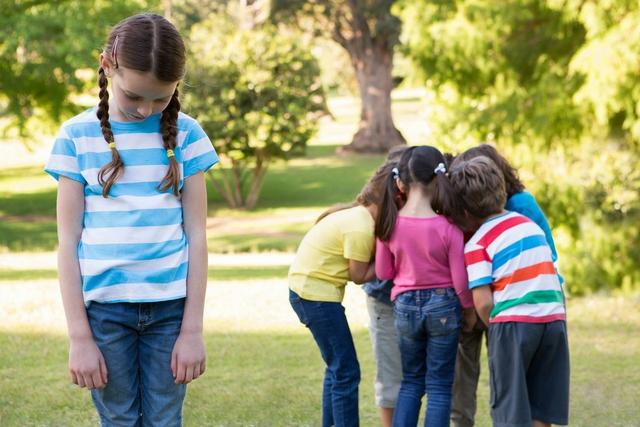
Q: After entering junior high, I'm always abandoned by my friends, they always say bad things about me, they always roll their eyes at me, they brush off my attempts to talk to them, and it's really hard on me. They're always changing their minds, but I've been friends with them for so long!
Why don't people like me?
A: Hello, student!
Middle school students are in their teenage years, and the importance of friends and classmates can even exceed that of parents. Because teenagers have the same feelings and interests when they are together, friends and classmates are very important. Therefore, when you experience setbacks in interpersonal relationships, it's very distressing.
Don't rush, let's look at this step by step.
1Unconscious, repetitive compulsion
From your description, you're always abandoned, misunderstood, and brushed off. The use of 'always' indicates a recurring pattern, so we need to look more closely at yourself. Why do different friends treat you this way? It must be your certain personality traits or behaviors that discourage most people from approaching you.
Always being abandoned
2The substance of friendship

Listen carefully, the following text is very ruthless, but it's true.
The substance of interpersonal relationships is the exchange of interests.
It's not that we always treat people well, or that a good person will have good interpersonal relationships. To have good interpersonal relationships, you need to have something to exchange with others. And your friends' quality and level should match your own worth.
Let's take students as an example:
The class valedictorian has a halo effect, attracting fans. Being friends with a class president indicates that you are also excellent.
If you're generous and open with your friends, you'll attract friends who often share small snacks and surprises with you.
- If you're confident and outspoken, you'll attract friends who feel safe with you.
- The next point is especially important.
- Class president has a halo effect too
3Are you indispensable?

Perhaps after reading point 2, many students will think: I'm very kind, I can keep company. Yes, most people are kind. But being kind alone cannot be a condition for obtaining good and long-term friendships.
Listen carefully,
I know you're kind, so I'll come to you when I need help, and I'll stay with you when I'm feeling down. When I'm feeling better, I won't bother you, just like you described. That's why you're brushed off and not valued.
Most of the time, being kind is a weak and principle-less bottom line. People using 'kindness' often act passively, unwilling to refuse, sacrificing their own interests and feelings in exchange for friendship. The more you do this, the more you get hurt and lose friends.
Because others have already seen through your intentions and know you'll sacrifice yourself to make friends, so they won't be angry with you. Knowing you'll come to you when you need help, you won't refuse.
Therefore, true kindness has a bottom line. True kindness is not sacrificing yourself, but first taking care of yourself, which will earn you the most respect from others.
May kindness be treated with gentleness
4Why is it difficult to feel bad after a breakup?
This is a very simple question. You broke up because you wanted to punish the other person. But you were already in a weak position in the relationship, and the other person didn't even care about you. Breaking up doesn't make a difference. It's actually punishing yourself. Of course you'll feel bad.
52 methods to rebuild healthy interpersonal relationships
Method 1, find out what strengths you can bring to a friendship and showcase them.
Method 2, if you can't find any or have no obvious strengths, focus on improving yourself. When you become better, people will naturally come to you for friendship.
True friendship relationships are equal comfort for both parties, not sacrificing and compromising.
Finally, hug the troubled you, keep going!
Confident and sunny, you won't lack friends.