Incorrect Walking Posture Can Lead to Pelvic Issues, Repair Pelvis with Yoga
Have you ever encountered a situation in life where you find that your legs are not the same length, and you frequently experience lower back pain, with your feet angled differently when walking? This is often related to our pelvis. If the pelvis is misaligned, it’s largely due to our habits, such as incorrect posture when standing, frequently crossing our legs, and prolonged sitting on benches, which can all affect the position of the pelvis.
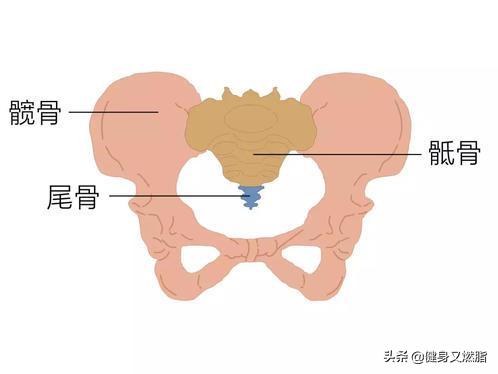
Next, let’s talk about what the pelvis is. The pelvis is the connection between the upper and lower body, and it can change shape with age. Before adulthood, it’s primarily composed of cartilage. After adulthood, the cartilage becomes calcified, forming a complete bone pelvis, which we call the hip bones. The primary function of the pelvis is to connect the upper and lower body, allowing the upper body to bear weight while also enabling the lower body to move more freely, evenly distributing the force of the entire bone to both legs. It’s an important part of the body that supports many internal organs. If the pelvis shifts, these organs will also shift, affecting normal bodily function.
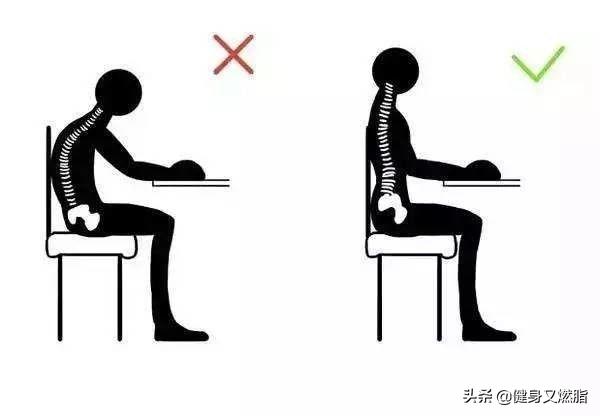
Therefore, if the pelvis shifts, problems like pelvic rotation can occur, along with common issues such as pelvic aging and degeneration. In our daily lives, we should proactively prevent pelvic shape problems. The shape of the pelvis is crucial, allowing the body's weight to be evenly distributed on both sides, reducing many pelvic issues. In our daily lives, we should activate both sides, not just use one side, to protect the pelvis.
Actually, in our daily lives, we need scientific exercises to help the pelvis correct its shape better, and we can also activate the pelvic muscle area. Let's share some yoga exercises that can improve pelvic problems. If you want to practice, let’s come together to practice!
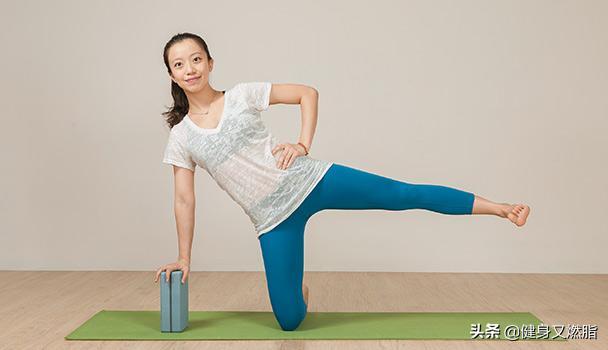
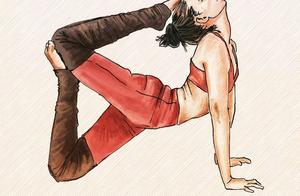
First: Variant Gate Pose

This posture improves body balance and stability while also providing more space for the hips, promoting blood circulation. It can also effectively stretch the legs, opening the ligaments and increasing the body’s flexibility, stimulating the liver and spleen to help with digestion.
1. Start in a plank-like position, arms extended, palms down, pressing firmly into the ground, toes pressing into the ground, you can retract your ribs and tighten your abs, but don’t slump your shoulders.
2. Exhale, step the right foot forward to the outside of the right hand, keep your spine upright, sink your hips, and push the front of the left leg forward to touch the ground.
3. Lean your body to the left, let the left foot press firmly against the ground, contract the thigh muscles, and hold the right arm extended to support.
4. Reach out with the left hand to grasp the right foot, keep the legs straight and maintain the same line for 10 to 15 seconds.
5. Inhale, lower the right leg, and repeat on the other side.
Second: Spinal Twist Pose
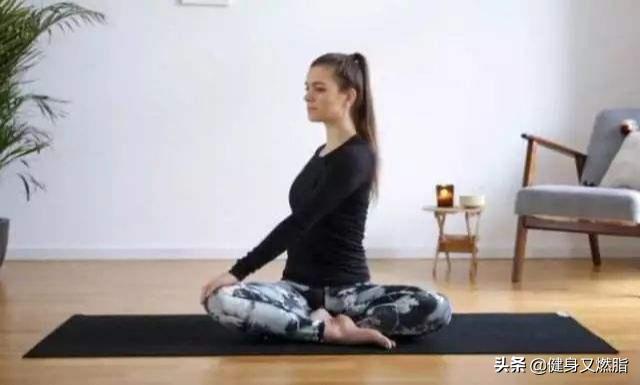
This action can effectively remove fat from the waist and abdomen. By twisting the body, it can massage the corresponding area, which is also helpful for health.
1. Sit on a yoga mat, with your upper body vertical to the ground, your legs straight and extended forward, your thighs close to the ground.
2. Lift the left leg and cross it over the right leg, placing the left foot on the outside of the right knee, so that the left foot is pressing on the ground.
3. Reach out with the left hand to the left knee, adjust your breathing, and slowly twist your right side.
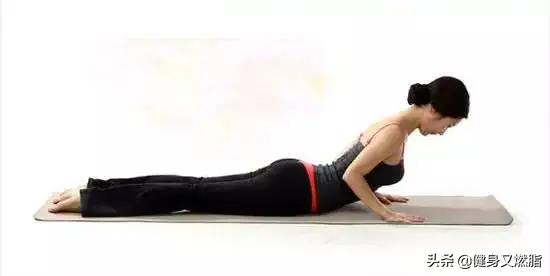
4. Reach out with the right hand to the back of the body, look back over your shoulders, relax your shoulders, and keep your shoulders on the same line.
5. Maintain this position for 30 to 60 seconds, then repeat on the other side.