Breakdown Drills (Part 1)
Since 1989, since our first adult swimming training camp, breakdown drills have been a key component of TI Methodology. Since then, the breakdown drills and our training methods have continuously developed. Therefore, it may surprise you to learn that I only spend less than 1% of my overall practice time on breakdown drills.
If they are so important to TI Methodology, why are they just a small part of my practice? The reason comes down to the purpose of breakdown drills, when to do breakdown drills, and when full swim is more valuable.
Why Breakdown Drills
Breakdown drills are ideal when your priorities include any of the following:
1, Breaking Old Habits
When Bill Boomer first taught me the balance drill, I had been swimming uncoordinated for nearly 25 years. Because I had never experienced balance, my legs felt 'normal' and I had developed several habits to compensate for the imbalance. After about 10 seconds of balance training, my legs felt very different, and I quickly maintained this feeling in short distances within the full swim. It wasn't perfect or permanent, but the new feeling was so appealing that I wanted to make it permanent. Over the next 10 years, these small improvements drove me to deeper practice.
2, Deconstructing and Pinpointing Effective Movements
Effective swimming, especially freestyle, is one of the most complex movements in sport. Furthermore, executing advanced skills in the water is difficult. TI makes learning easier by breaking down the entire swim into key mini-skills. Breakdown drills deconstruct these micro-skills, allowing you to more quickly detect and correct errors.
3, Enhance Awareness
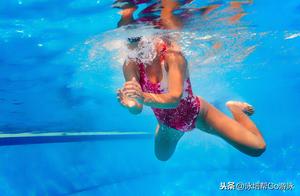
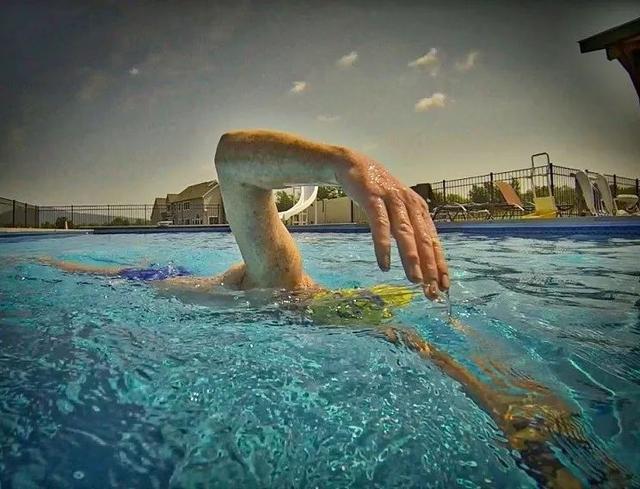
The torpedo drill enhances your awareness of head position – slightly up, slightly down, neutral, or submerged? You will quickly notice the differences in the torpedo drill and should just as quickly bring this heightened awareness to the full swim.
How to Maximize
To get more benefit from practice, use breakdown drills effectively to precisely improve the skills you need to improve. If you want to avoid wasting time and energy, do the following:
1, Start with Your Head
Consider what swim posture you want to achieve. Any exercise you choose should be based on the swim posture you ultimately want. If it leaves you seeing things you don't want to see in the full swim, don't do it. For example, don't practice prone drag, face-down drag, or side-lying drag unless you intend to swim in those inefficient positions. 2.0 Freestyle Mastery Self-Guided Course details this principle and application.
2, Have a Clear Purpose
Your breakdown drills should have a specific purpose – because the focus of breakdown drills is to imprint effective quality, position, or movement in the full swim. I often observe competitive swimmers and triathletes in practice who seem more focused on completing the movement rather than ensuring it's correct. Spending time practicing without leaving a high-quality, efficient movement is a waste of time.
3, The Right Order
When planning multiple drills, practicing them in the right order yields different results. If you want to improve propulsion, use breakdown drills that target 'catch-water stroke' or 'secondary leg drive'. If you first do breakdown drills to balance the body and stabilize the core, then propulsion-oriented drills will be more effective, so that the arms or legs don't interfere. 2.0 Freestyle Mastery Self-Guided Course details this principle and application.