Precise Shoulder Pain Relief – Shoulder Impingement
After exercise or during exercise, do your shoulders randomly pop or suddenly ache? In some angles, does your shoulder joint experience pain and movement restriction?
Possible for 80-year-olds to 20-year-olds, shoulder impingement syndrome is a priority to consider, especially after excluding trauma and age factors, shoulder impingement syndrome is more prevalent across all age groups.
Shoulder Impingement Syndrome
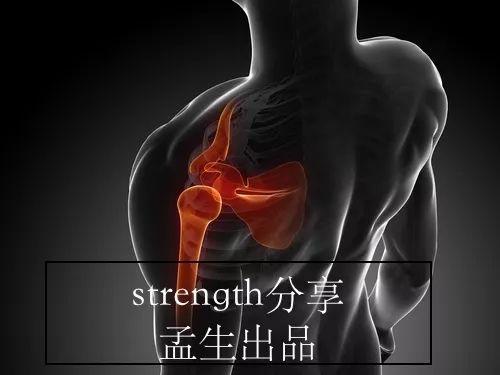
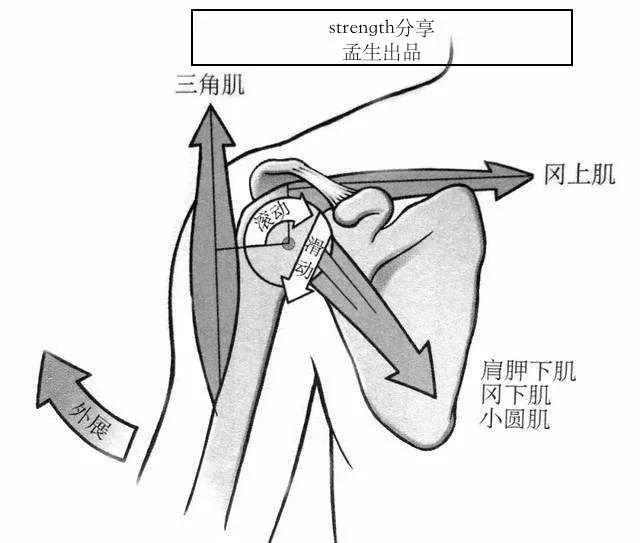
Let's first look at the shoulder abduction movement, the following picture shows shoulder abduction movement, shoulder impingement syndrome generally occurs during abduction and flexion
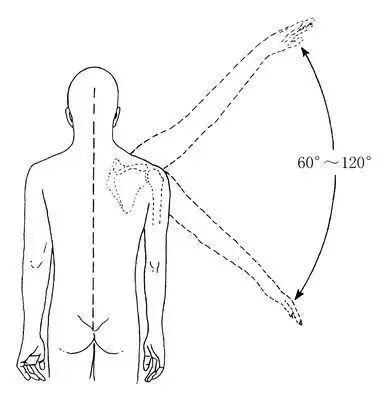
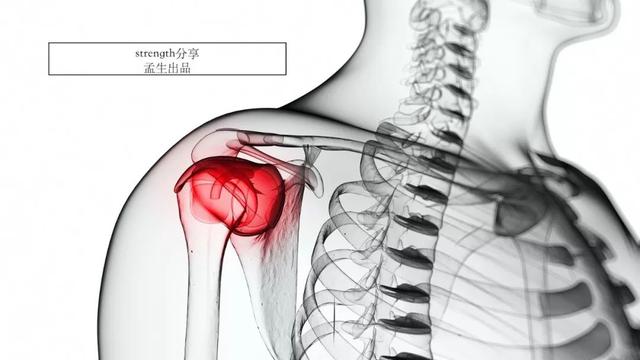
The greater tuberosity of the humerus repeatedly impacts the acromion, leading to various shoulder problems, diseases, and degeneration.
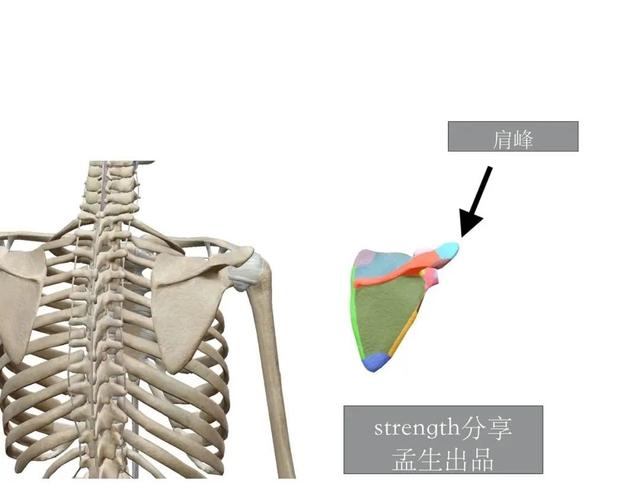
I spent a long time searching for images on the internet, and I couldn't make any adjustments or labels to the pictures, compared to them, the picture presentation is very intuitive.
If you are not well familiar with human anatomy, you still need to look several times, learning must be careful, avoid a quick-fix mindset.
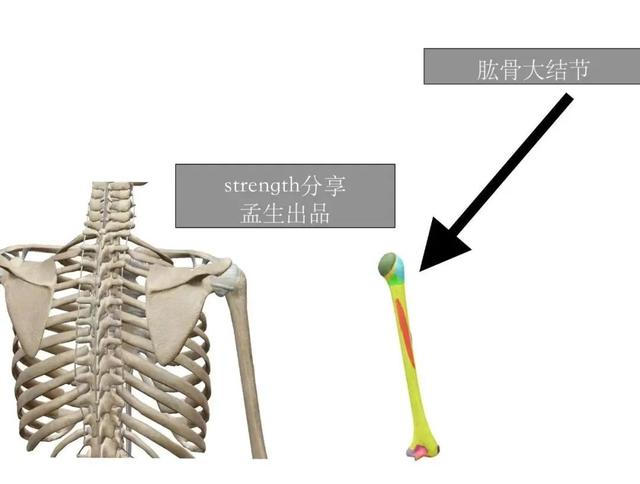
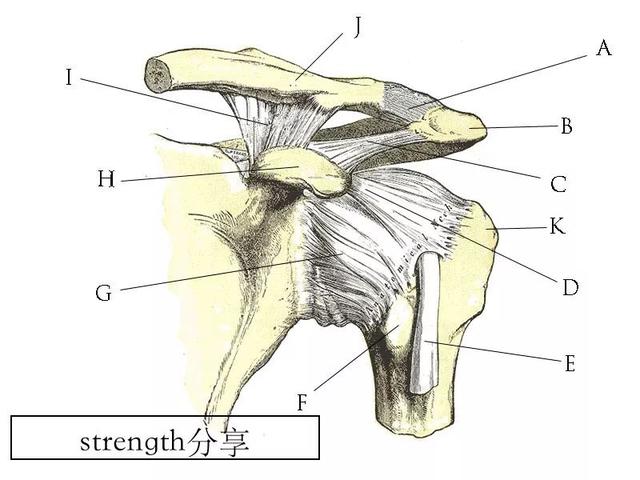
DeSeze and Robinson studied the special structure under the acromion and the movement trajectory of the greater tuberosity, proposed the second shoulder joint, which is today's protagonist: the joint under the acromion.
Due to anatomical reasons or dynamic reasons, the joint under the acromion causes a series of symptoms and signs during shoulder abduction and flexion, which is called shoulder impingement syndrome.
The term 'syndrome' sounds a bit complicated, but its meaning is precise, representing a group of typical signs and symptoms caused by functional dysfunction, pathological lesion or injury, so shoulder pain may be shoulder impingement syndrome, or it may not be.
Shoulder impingement syndrome is also divided into different types, we need to further evaluate.
You must know how to use, understand and understand professional terms.
Of course, it’s not for showing off, showing off, or being obsequious.
The earliest shoulder impingement syndrome was proposed by Neer II in 1972, based on the anatomical site of the impingement, it was divided into outlet impingement syndrome caused by narrowness of the outlet and non-outlet impingement syndrome.
Outlet impingement syndrome is caused by overuse, tendon tension overload, tendon injury, or bone or soft tissue structural abnormality, causing stenosis at the outlet.
Non-outlet impingement syndrome is caused by shoulder joint stability structure damage or dynamic device imbalance, leading to shoulder impingement syndrome under the acromion. It is mainly caused by abnormal movement patterns of the scapula and humerus, poor posture causing scapular position abnormalities, muscle imbalances, etc. It is common in athletes under 35 years old.
Shoulder impingement can be divided into two types: primary and secondary.
Primary shoulder impingement syndrome: common in elderly people: due to overuse and local anatomical abnormalities (such as the greater tuberosity is too large, hook-shaped acromion, etc.).
Different people have different shoulder morphologies, often divided into 3 types: Type 1 is a flat acromion, type 2 is an arched acromion, and type 3 is a hook-shaped acromion. People with hook-shaped acromion have a narrow space under the acromion and are prone to shoulder impingement syndrome, this type typically corresponds to outlet impingement syndrome caused by narrowness of the outlet caused by the upper acromion.
Because the acromion structure causes problems.
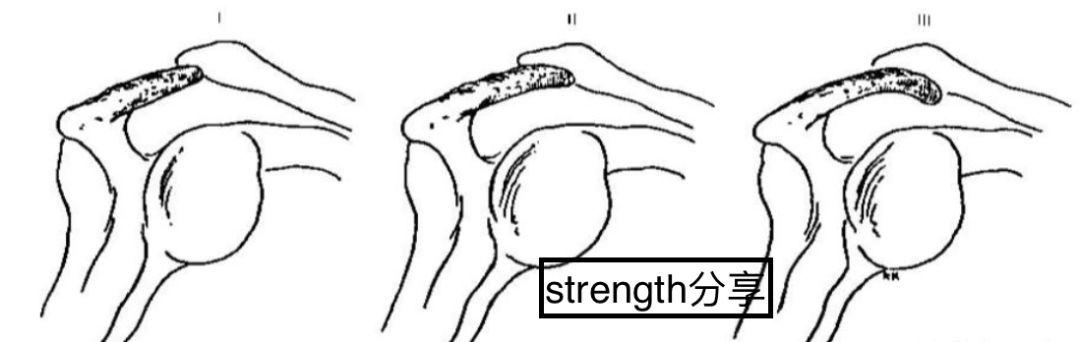
Secondary shoulder impingement syndrome: caused by muscle imbalance, tight posterior joint capsule, scapular movement problems, instability of the humerus-scapula joint, etc., leading to repeated minor impingement. It is mainly caused in young athletes under 35, this situation corresponds to non-outlet impingement syndrome, generally less than 35 years old.
Especially athletes, retired athletes, and fitness enthusiasts.
Here, I see the most is fitness enthusiasts, most enthusiasts have a very important question, that is for exercise with enough passion, but for training, only blindly grind, do silly things.
Sometimes beginners go to the gym twice or three times a day, which is a common situation. Training without planning, training every time to exhaust, then you will really hurt yourself.
Some bodybuilding training plans: chest, shoulders, back, legs, biceps and triceps are overly emphasized, easily causing shoulder impingement.
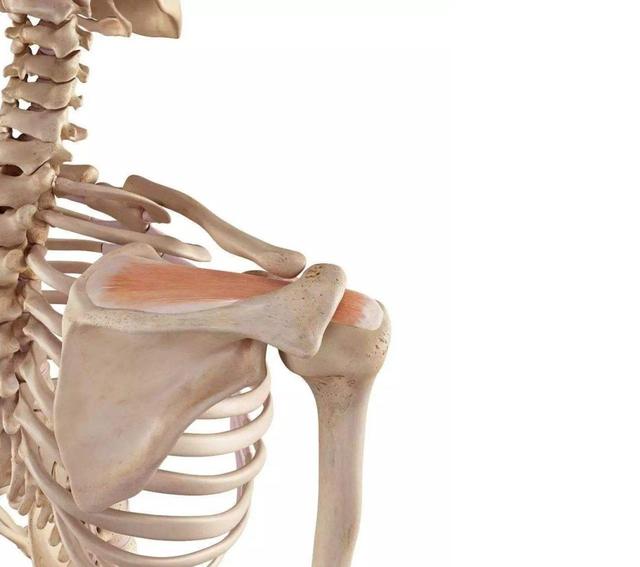
In general: shoulder pain is a complex problem. We have repeatedly explained it to you before, the flexibility of the shoulder joint is an advantage, but this is a cyclical effect: flexibility is strong, stability is weak, we should use it to its advantage and avoid its shortcomings.
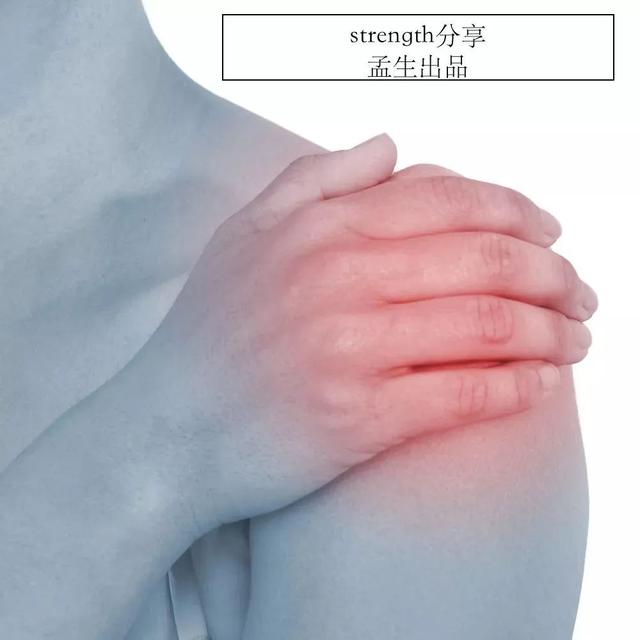
Today we are introducing to you shoulder impingement syndrome related to non-outlet impingement syndrome. If this area is still a little confused, then please read the above content.
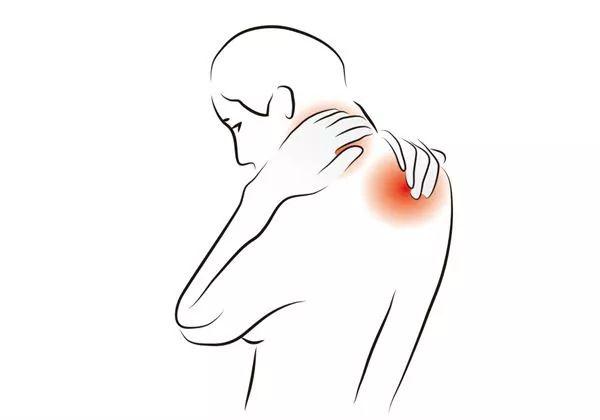
This may be caused by multiple reasons, showing symptoms such as pain and movement restriction when moving the shoulder joint, and movement restriction. If you have the above symptoms, you should pay attention to whether you have shoulder impingement syndrome. First, we can do a test to detect.
Active impingement test
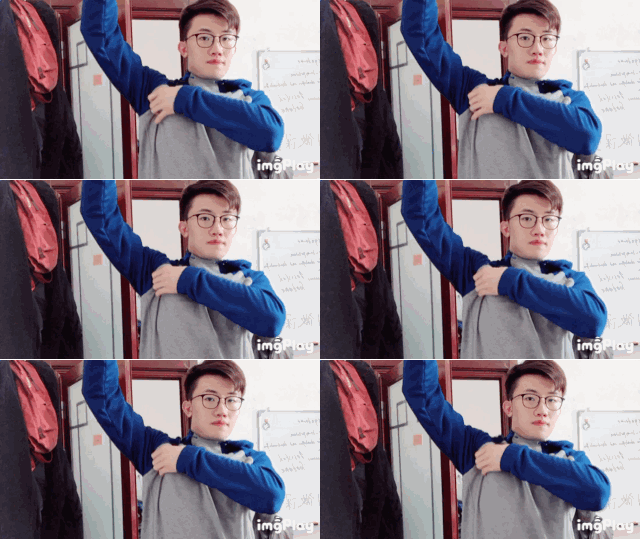
Put one hand on the other shoulder, elevate the elbow joint to the forehead, reduce the distance between the greater tuberosity and the acromion, if you feel pain when squeezing the shoulder joint, it may be shoulder impingement.
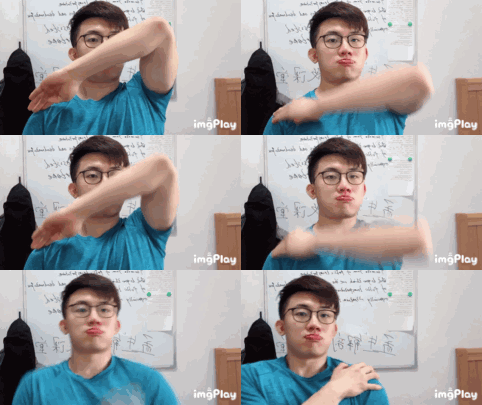
This is a gif picture recorded a long time ago, the workmanship is a bit rough.
What to do if you have shoulder impingement syndrome? Don't rush, let's first understand the shoulder joint.
The shoulder joint consists of four small joints: the glenohumeral joint, the acromioclavicular joint, the sternoclavicular joint, and the scapulothor joint.
Understanding the shoulder joint is key to understanding shoulder impingement syndrome.
————“”
180°2:1120°60°
30°60°15°10°5°2:1
90°15°5°10°1:2
60°30°90120
.....——
1
1
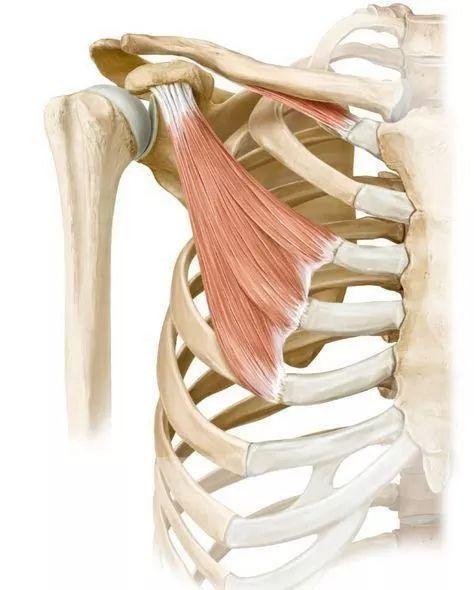
——
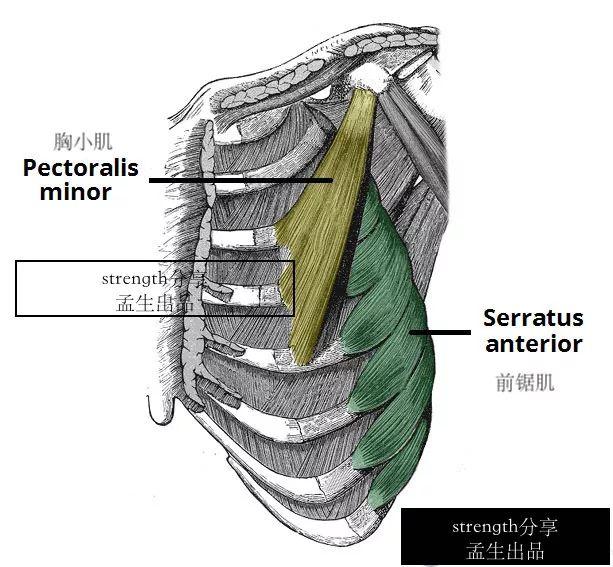

90°
2
inmanSaundersand and abbot (1944 )
——
1
“”
2
90°
3
90°

3
60°30°30°

10
“”(rightknights.com)
——
strength
///