Want to Gain Muscle? Stop Taking Detours, First Understand These Muscle Gain ‘Tactics’
After restoring training, many people have once again started their new year's muscle gain plan. This is for experienced fitness enthusiasts, who clearly know how to do it at this moment.
In the previous few articles, we also shared what to do when you recover from training. After getting back to work, how to restore fitness training? I'll give you 8 suggestions, one of which is related to your interests.
In simple terms, you should moderately reduce your training volume and frequency, and in the selection of training actions, choose more compound movements, so that more muscle groups can participate in the force, resulting in better recovery effects.
And for experienced fitness newbies who aren't so rich in experience, what points should be done to ensure their muscle gain effect?
This issue, we will share some points for everyone to note.
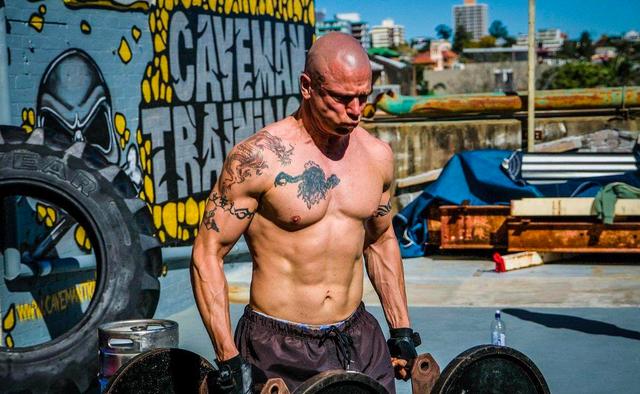
1. Training action selection, mainly compound movements.
Many friends are just starting to go to the gym and don't know what to do. They just choose actions that look simple and don't carry any risk, but these actions have little effect on you.
Those actions that seem complex, such as squats, bench press, and pull-ups, are not as dangerous as you think. Because your weight selection and your current level are needed to match, don't be misled by some people saying that squats hurt your knees and bench presses are afraid of being hit.
Dare to start your first step, and your future progress will be faster than those who choose simple actions.
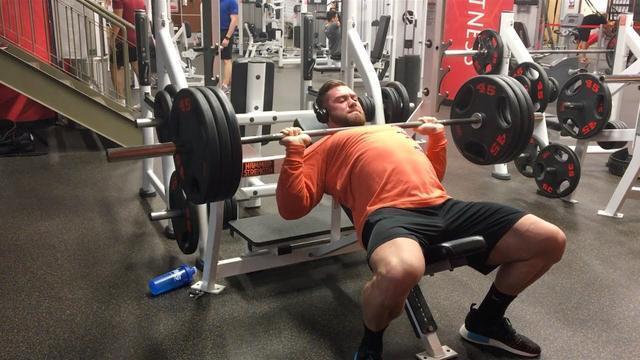
Even a complete beginner can do these actions, but when doing these actions, you need to pay attention to the following points:
1. Squat precautions:First learn to start your hip, let the hip drive the knee joint backward and downward, while the action process also needs to maintain your core tension, while pay attention to the knee joint and toe direction consistency.
As for whether you can squat beyond your toes, don't think about it, absolutely it's possible.
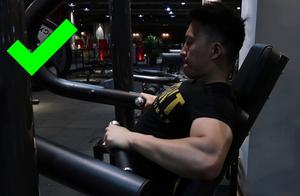
2. Bench Press Precautions:When learning the bench press, you must first learn to tighten your shoulder blades, and when lying on the bench press, you need to make your chest higher than your shoulders. These details can maintain your direction and better feel the power of your chest. In addition, you need to keep your elbow and body distance within 90 degrees to avoid shoulder pain.
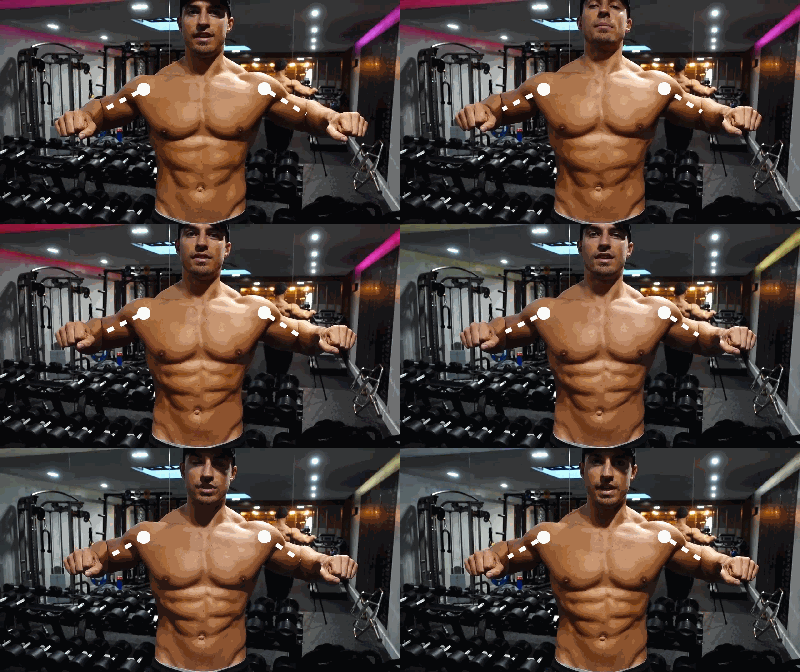
3. Some suggestions about pull-ups:Some friends may not be able to do a complete pull-up at the beginning, but you can use some auxiliary equipment to do it. Don't give up just because you can't do one. Even if you can only start with a half-way hang, it's good for learning pull-ups.
These compound actions can start 2-3 or more muscle groups, not only to help you quickly master the foundation of these actions, but also to promote the faster development of your whole body muscles.
If you can master these actions well, then you can quickly learn simple actions, and you don't need to spend a lot of time to learn. You can spend more time on real skills.
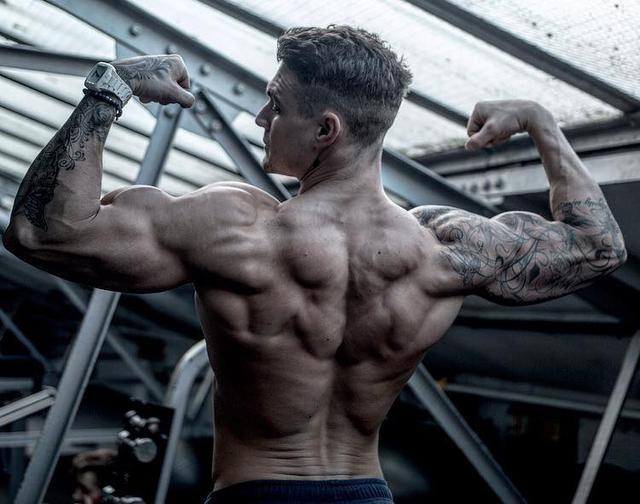
How to choose the weight during training?
The weight selection also has certain requirements, you can't just say you can do 15 times or 20 times. It's thought that many people have heard of the 8-12rm word, which means the maximum number of repetitions you can do with a certain weight. 1RM is the maximum number of repetitions you can do with this weight.
Almost all weights are determined according to 1RM, such as muscle gain, many people stick to 70-80% of 1RM, and do 8-12 repetitions.
If you can push an action to 15-20 times, it only means that this weight is too light for you, but it's not completely useless. You just need to keep using this weight for training, and it will be less efficient.

2. Balanced nutrition and adequate calorie intake.
The selection of diet must be balanced in nutrition.
Especially many people mention to strengthen protein intake, because after a training, our muscle fibers are damaged, and we need to replenish a lot of nutrition to restore and grow again.
If you are very diligent during training but don't pay attention to nutritional supplementation, muscles cannot grow as you wish.
It's recommended for beginners to supplement protein between 0.8-1.2g per kilogram of body weight. As your ability increases, your protein intake can be increased to 1.2-2g, which can meet the needs of most fitness enthusiasts.
In terms of protein selection, it's best to choose what suits you, such as lean beef, chicken breast, fish, eggs, soybeans and protein powder are all good supplement choices.
During muscle gain, you need to have a calorie surplus.
During this period, it's best to record the diet, and regularly monitor your weight. If you find that too much fat is added, you need to adjust the diet and reduce a small amount of calories to make your muscle gain path more sustainable. In short, don't let fat grow wildly and make it difficult for you to grow muscle.
During this period, because you need to supplement a lot of nutrition, it's difficult for you to satisfy your daily needs. At this time, you can adopt a small-meal-big-meal approach, such as having 4 or 5 meals a day, and make sure each meal is moderately reduced, so you can eat more comfortably and avoid excessive fat accumulation.

3. Adequate rest + sufficient sleep.
Finally, we need to pay attention to your rest. In terms of rest, we focus on sleep time, because for many people, excessive training is not a common phenomenon.
Because few people continue to train their chest muscles when they're in pain, they continue to enter the gym without being in a good state.
At this time, the sleep time should be ensured at 7-9 hours. If you are a night owl, you need to adjust your schedule accordingly.

Between eating, training, and sleeping, sleep seems to be the least important, because its influence is hidden. When you notice its impact, it may be too late.
Long-term lack of sleep and poor sleep quality can disrupt hormone growth, affecting the efficiency of muscle gain and fat loss, and make other efforts less effective.
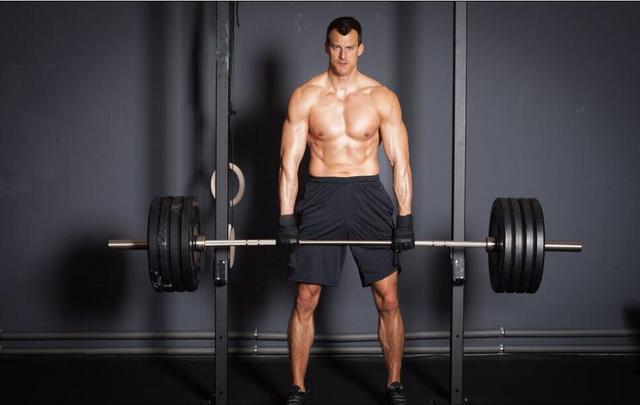
Above, these are our suggestions for everyone. Please pay attention to eating, training, and sleeping.
Okay, this sharing is finished. If you have any methods you want to learn, you can leave a comment or private message me.
I'm Pop, I only say knowledge that you can understand.
(This has been added with a circle card, please view in the todayheadline client)Click to join the fitness and weight loss circle, let's level up together!