Want to Lose Weight but Can't Control Late-Night Cravings? Does Eating Before Bed Make You Gain Weight?
For this question, I estimate that basically many people would think and definitely assume that it will get fat. Many fitness-loving buddies will also rarely eat after 8 pm, especially various snacks are refused. Because, there is a theory that says, when sleeping, the human metabolism speed will slow down. The slower the metabolism speed, the less calories will be burned. That is, the calories you intake before sleeping, the burning amount is not as much as when you are awake.

Is it okay to eat before bed?
Although this research seems reasonable, but in fact there are also studies that show that when people are sleeping, metabolism almost doesn't change. When in a sleep state, your body still has many machines running, the heart is still beating. That is, our various organs are still operating normally. And since all the organs are working normally, it means that these organs need energy to maintain, so the energy should be the calories burned.
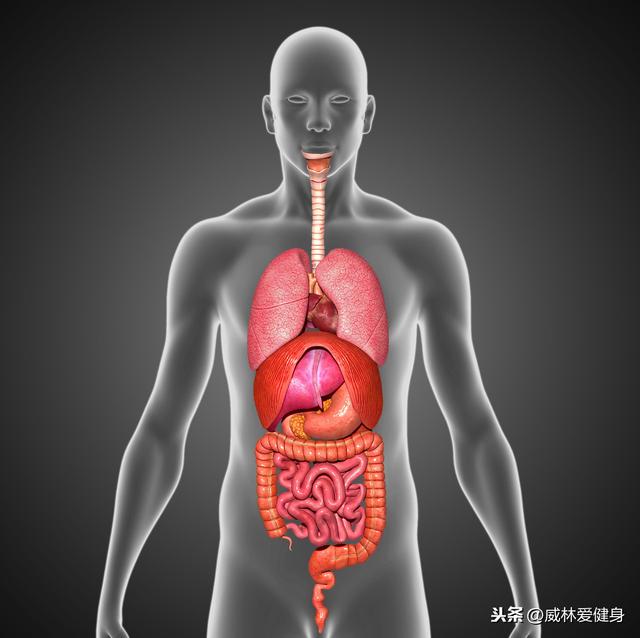
Of course, eating at night can also get fat there is a theoretical basis, is the increase of insulin at night, and the physiological function of insulin is one of the storage of fat. Eating at night is easier to be converted into storage.
As early as in the morning, the human insulin level is far higher than at night, but research shows that the insulin at night is level with the day, if the insulin level rises really can cause obesity, then no matter who passed the morning eating will be fat.
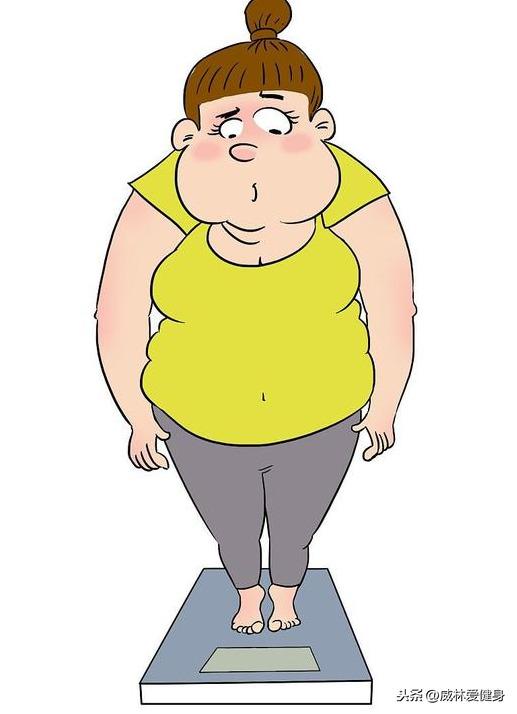
Regarding carbohydrate intake before bed, carbohydrates as one of the main energy sources, unused carbohydrates will be converted into glycogen and fat storage. Unfortunately, the storage space of glycogen is very limited, glycogen storage space filled, most carbohydrates will be converted into fat storage. However, the timing of carbohydrate intake does not determine how much will be converted into fat storage.

In terms of physique, the increase in weight depends only on the total calorie intake and the total calorie consumption. Simply put, if the calorie intake is greater than the calorie consumption, no matter what time you intake, you will get fat. So, eating at night can also lead to BMI increase?
Summarize the above theories
OK! After seeing these parts, some buddies may finally feel relieved to eat snacks at night. But I think you may not have understood the content I just shared. In short, as long as your exercise is insufficient, whether it is eating snacks during the day or eating snacks at night, you will get fat.
Whether it will get fat does not depend on what you eat at night, but on the total calorie intake of the whole day. That is, if you really want to eat snacks, but also want to control the intake, but only have this one chance to eat, whether it is daytime or nighttime, you can.

For pure weight loss and fat reduction, snacks are still not eaten, especially when the figure is already very fat, in the initial fat reduction period, it is really necessary to help with junk food and snacks. You should not just cut everything that is easily fat, but also reasonably arrange your diet structure.
Although for most fitness trainers, it is not necessary to control the intake of oil and salt too much, but for overweight people, I think it is really necessary to require too much. It is really necessary to have these requirements.
Finally, my summary is that exercise is the fundamental. Consuming more than intake is the necessary way to lose weight.