Dieting Weight Loss Successors: Changes in Weight Within 26 Weeks – A Knockout for Men's Fat Loss

For men who are dieting, this is a knockout!

When I wrote this article
March 1, 2020, I habitually checked the latest papers after getting up in the morning.
A paper published on January 17, 2020, aroused my great interest. The main content of this data analysis paper is:Through dieting, 209 obese individuals who lost more than 8% of their weight within 8 weeks, after successful weight loss, the changes in their weight and appetite over the next 26 weeks.
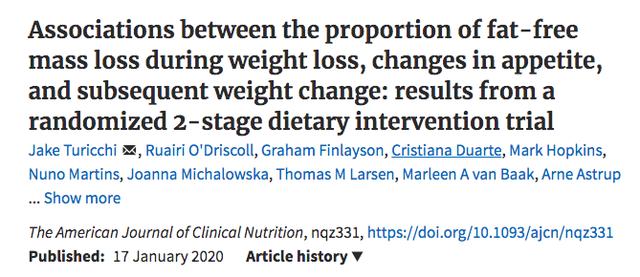
Screenshot of the article title, interested friends can take a look
Its keywords and logic are very obvious:Obesity – Dieting – Successful Weight Loss – 26 Weeks – Changes in Weight and Appetite

Let's take a look at the conclusion
Through the analysis of 209 dieting individuals who lost more than 8% of their weight in 8 weeks, the changes in their weight and appetite over 26 weeks, we can obtain the following two main conclusions:
- Dieters often experience weight rebound
- Men's weight rebound probability is significantly higher than women
This is undoubtedly a knockout for people who want to lose weight through dieting, especially for men who lose weight!
Let me be happy things
First, I am happy that these people who succeeded in dieting had a rebound in their weight, although I have always discouraged dieting (covering face).
What I'm really happy about is that through a large amount of data analysis, I found the reasons why most dieting individuals experience weight rebound and why men's weight rebound probability is significantly higher than women –Excessive loss of fat-free mass during weight loss!
Loss of fat-free mass: also known as fat-free mass, it refers to all components of the body except fat, including the content of water, bones, organs and muscles. In weight control and body composition, fat-free mass refers primarily to muscle mass.
Why does dieting cause more fat-free mass loss? This is related to the principle of dieting!
The basic principle of dieting is simple: to maintain survival and daily activities, your body needs to consume a certain amount of energy every day, and when you don't eat or only eat a small amount of food every day, the energy you consume will be greatly reduced. When the intake is less than the consumption, the weight will decrease.
The process of dieting suppresses the protein synthesis rate by a certain levelWhy does dieting cause more fat-free mass loss?
During weight loss, changes in fat-free mass mainly refer to changes in muscle mass.
The content of muscle in the human body is a dynamic balance, which is determined by the synthesis and breakdown rates of protein in the human body
When the synthesis rate is higher than the breakdown rate, with sufficient amino acid raw material reserves and rest, your muscles will grow, conversely, when the breakdown rate is higher than the synthesis rate, it will cause muscle loss.
During dieting,
Due to the lack of sufficient energy, the protein synthesis rate is suppressed to a lower levelThe breakdown rate of protein remains unchanged or even increases, which leads to a state of constant protein loss, so dieting reduces not only fat but also causes significant loss of fat-free mass (muscle).Muscle loss, appetite and weight rebound
Currently, research shows that the loss of fat-free mass during dieting may make dieting individuals more likely to increase their weight when maintaining weight
This effect is caused by excessive loss of fat-free massChanges in appetitecaused.
Simply put,
In the process of dieting, fat and non-fat mass are reduced simultaneously, but the percentage of non-fat mass (mainly muscle) in the reduction is the higher, the greater the desire for food and the greater the risk of weight rebound
And in weight loss, men generally lose more muscle than women, which is partly due to the higher muscle base of menTherefore, men's probability of weight rebound after dieting is significantly higher than women!209 sample data on body composition changes
209 samples in 8 weeks:Average weight loss:11.17 ± 5.52 kg
Average weight loss for men:
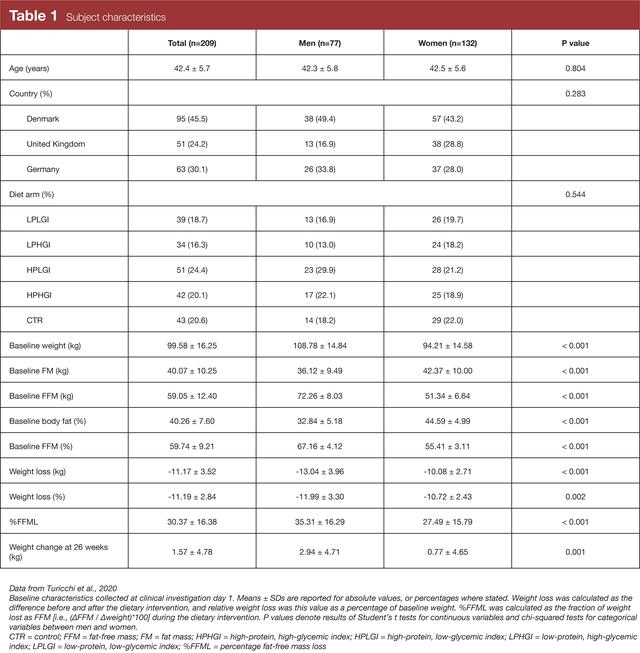
13.04 ± 3.96 kg
Average weight loss for women:
10.08 ± 2.71 kgMuscle loss accounted for the percentage of weight loss: men are
35.31 ± 16.29%Women are
27.49 ± 15.79%Weight rebound: overall rebound
1.57 ± 4.78 kgMen's rebound:2.95 ± 4.71 kgWomen's rebound:
0.77 ± 4, 65 kgHow to change this situationTo prevent excessive loss of fat-free mass during weight loss or dieting, Max suggests the following points:1 Weight loss speedToo fast a weight loss rate will cause more muscle loss, regardless of whether you diet or exercise,No more than 0.5-1% of your current weight should be reduced per week
Gradually reduce weight and reduce fat
2 Strength training (most significant)
We can increase the potential synthesis capacity of muscle in two ways, namely
Regular strength trainingIncrease protein intakeAfter strength training, the protein synthesis rate of the human body will increase significantly within 48 hours
During this period, increase the protein standard to promote protein synthesis with sufficient raw materials, which is beneficial to maintain muscle content during weight loss and reduce muscle loss
3 Adequate restInsufficient sleep will make you in the fat-reducing stage, causing more muscle lossI'm Max, a grounded and in-depth fitness author!
48
3
“”
Max

1. Associations Between the Proportion of Fat-Free Mass Loss During Weight Loss, Changes in Appetite, and Subsequent Weight Change: Results from a Randomized 2-Stage Dietary Intervention Trial. Turicchi et al. (2020)