Negligible Fitness Exercises – Standing Shoulder Press, Learn These Key Points
Original content, unauthorized will be held accountable!
Today I want to talk to you about a movement. If we want to comprehensively enhance our upper limb strength and strengthen our core stability, we absolutely need to practice this movement.

So, what exactly is this movement? What movement has such strong effects?The movement is standing shoulder press.
Firstly, standing shoulder press mainly trains the anterior deltoid muscle, with the medial deltoid providing auxiliary support. However, this movement involves more than just these two muscle groups; the triceps, upper chest, and upper back muscles are all synergistic muscles in standing shoulder press.
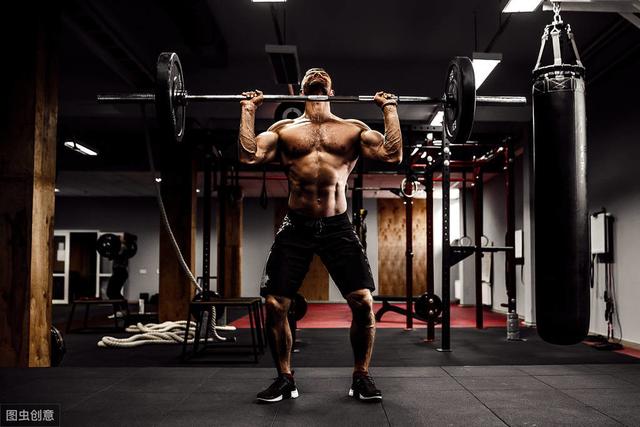
Standing shoulder press offers significant assistance for upper limb strength training.
The direction of standing shoulder press is nearly vertical to that of bench press. Therefore, there are many similarities in the operation of these two movements, such as the hand grip and hand wrist angle.
However, there are also some differences that need special attention, such as the position of the shoulder blades. Because standing shoulder press trains muscles similar to those in bench press, it also helps to improve our bench press strength.
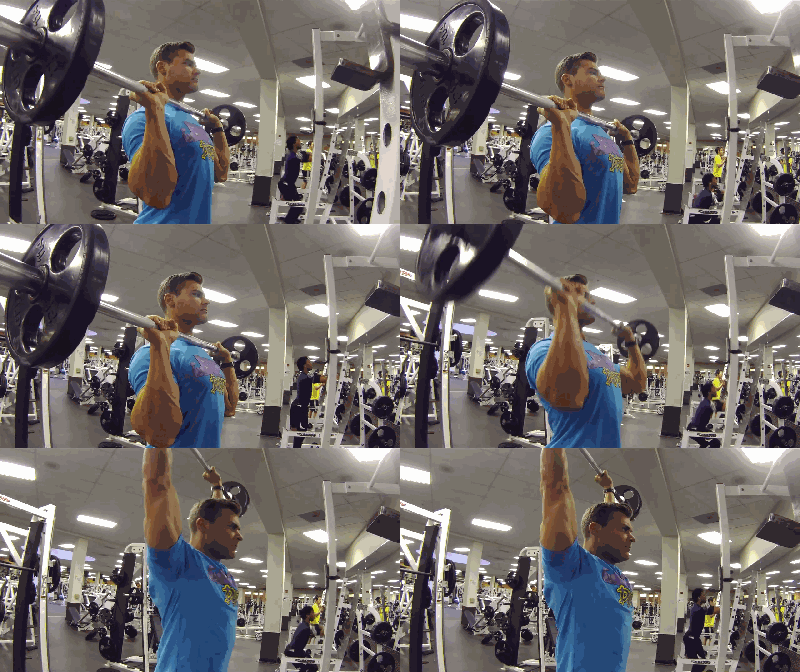
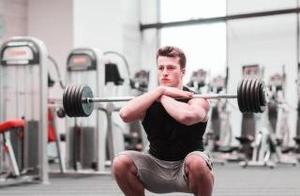
First, we enter the standing shoulder press stage, we need to adjust the height of the barbell to the level of the upper chest, locking it under the armpit. Then, we contract our shoulder blades, fix our wrists and elbows. Afterwards, we inhale and tighten our core, then slightly squat, first using our leg strength to support the barbell.
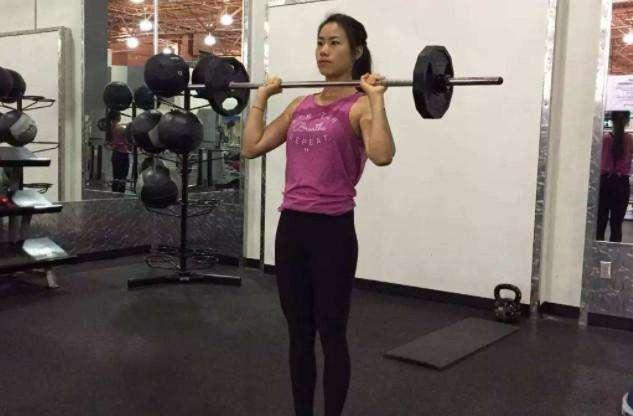
We need to pay attention to the first key point:We cannot adjust the barbell too high. If it's too high, we will have to rely on our upper body or toes to support the barbell when lifting and returning it.
The second point to note is:Master your grip width. As mentioned earlier, standing shoulder press has many similarities with bench press. So, many friends will feel that the grip width of these two movements is similar.
In fact, the grip width of standing shoulder press should be much narrower than that of bench press. We slightly retract our shoulder blades, tighten our back and armpit, and at this time, the position of our elbows is slightly leaning towards the front of our body. The maximum distance between our hands is slightly wider than our shoulder width.
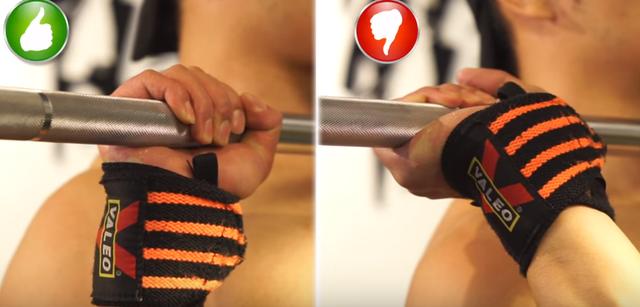
The third point to note is:The barbell grip method for standing shoulder press is the same as that for bench press, gripping it at the lower middle of the palm. Simply put, it's a slightly punching way to hold the barbell. When lifting the barbell, the hand points downwards, and it is important to avoid excessive wrist bending, which may cause discomfort.
The fourth point to note is:The movement trajectory of the shoulder blades. We all know that when we train our chest and back, we need to retract our shoulder blades and lower them.
However, in standing shoulder press, we need to raise our hands, so we also need to retract the shoulder blades and lower them, but we don't need to fix them rigidly in the downward position.
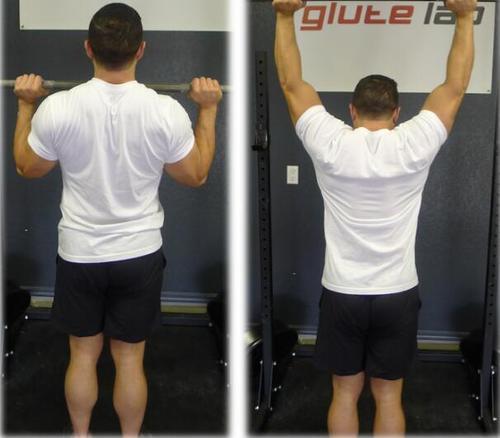
The fifth step key point is:Inspect the relative position of our body. Our feet are approximately shoulder-width apart, in a natural standing posture. Hold the barbell with our hands and place it at the top of our upper chest. When performing this movement, we need to tighten our hips and gluteal muscles.
When performing standing shoulder press, it's crucial to have experienced people assess our shoulder joint mobility, as the shoulder joint is of paramount importance to us. Therefore, we must be cautious during training.