6 Benefits of Having More Muscle: High Metabolic Rate, Easy-to-Lose Physique, and Maintaining Vigorous Physical Fitness
Original content, transcribers will be held accountable!
Fat people envy slim people's easy-to-lose physique, eat more without getting fat, don't need to exercise and won't gain extra fat. While fat people are afraid that their weight will rise even after drinking two sips of water. Why do different people have such a big difference in their physique? This is mainly due to differences in their metabolic rate.
With the same weight, if one person has a lot of muscle and the other has a lot of fat, then the person with more muscle will burn more calories every day.
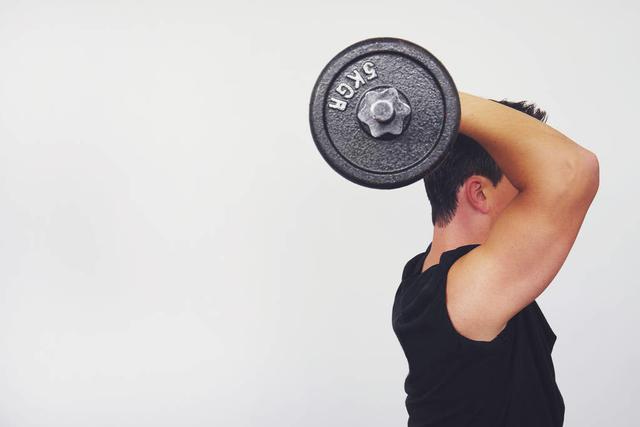
The daily heat consumption of muscle is several times that of the same weight fat. Muscle consumes about 4-10 large calories per kilogram of fat per day, while adding one kilogram of muscle per day will burn 12-15 large calories more. That is to say, people with more muscle have an easy-to-lose physique and are unlikely to accumulate fat because the growth and maintenance of muscle will consume a lot of calories, suppressing the formation of fat.
People with more muscle not only have an easy-to-lose physique and consume more calories, but they will also experience these benefits:
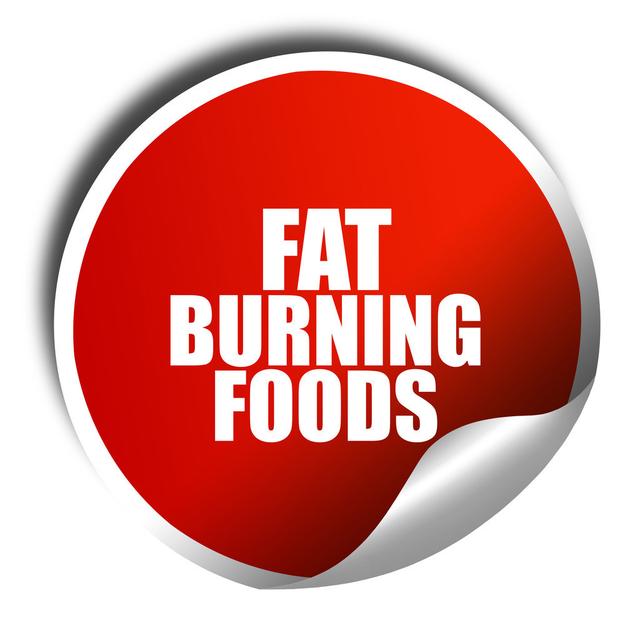
1. They have a higher level of personal strength, are energetic, and are not easily fatigued. You can lift heavier weights than others;
2. They have a good body shape. Compared to the ordinary, mediocre, and shriveled physique of others, you have a tight, well-defined physique;
3. Muscle contraction is more powerful, blood circulation is faster, and their heartbeats are stronger;
4. Maintain a young state. After the age of 30, if you don't strengthen your workouts, muscles will gradually decline year by year. On average, 10 years can lose 5-6 pounds of muscle. Muscle loss leads to aging, water loss, skin dryness, sagging, and wrinkles. People with more muscle keep their skin tight and their body functions relatively young, making them look younger;

5. Muscle can strengthen joints, bones, and organs, increase joint flexibility, improve skeletal density, and enhance athletic performance;
6. Muscle-abundant people also have higher immune levels. Muscle development makes the body healthier, reduces the accumulation of extra fat, speeds up metabolic circulation, and promotes the excretion of waste, resisting the invasion of bacteria and viruses. Muscle has an immune barrier protecting the body's various tissues and organs, reducing the frequency of illness. Even if you get sick, your recovery period is faster than others.

Therefore, people with more muscle have many benefits.

Muscle determines a person's lifespan and body shape. How should you increase your muscle mass?Do resistance training to increase muscle mass, which can exercise muscle fibers and improve muscle dimensions. Beginners can start with compound exercises, such as squats, bench presses, and deadlifts;
If you want to do segmented muscle gain training, you can allocate training according to different muscle groups. The muscle groups in the body can be divided into chest, shoulders, back, arms, legs, hips, and abdomen;

Choose 3-4 targeted training actions for each muscle group, and after each training, the target muscle group needs sufficient rest time to promote muscle repair and become stronger. You can then continue training;

Chest muscle training: barbell bench press, dumbbell flyes, decline push-ups, rope cross chest press
Shoulder training: dumbbell shoulder press, dumbbell front elevation, lateral elevation, barbell front raise
Arm training: dumbbell curls, reverse curls, dumbbell extensions, rope downward press
Back training: pull-ups, barbell rows, deadlifts, rope pulldowns
Leg training: barbell squats, dumbbell lunges, standing calf raises, leg presses
Abdominal muscle training: crunches, Russian twists, leg raises, leg bicycles