Senior Wushu Practitioners Should Pay Special Attention to Increasing Leg Strength
As people age, the physical functions of the elderly also continuously decline. Legs age first, calcium constantly depletes, leading to osteoporosis and an increased risk of falls and fractures. Tai Chi, as a superb traditional Chinese sport, plays a positive role in enhancing elderly people's leg strength, preventing falls, and delaying aging.
Tai Chi emphasizes the distinction between virtual and real, particularly focusing on lower limb movement, with power originating from the legs. Tai Chi walking involves light and graceful steps, with a light and gentle rise and fall, alternating between virtual and real states. During transitions, single-leg support is maintained while the other leg slowly extends, involving the heel's raising, lowering, left rotation, and right turn. The toes undergo lowering, raising, outward extension, and inward curling, with significant movement in the knees and hip joints.
The lower limb muscles operate in a slow and sustained state of semi-static force, allowing for prolonged overcoming of body weight, which develops leg strength and endurance, strengthens lower limb bone support, and simultaneously increases the flexibility of joints and the elasticity of ligaments.
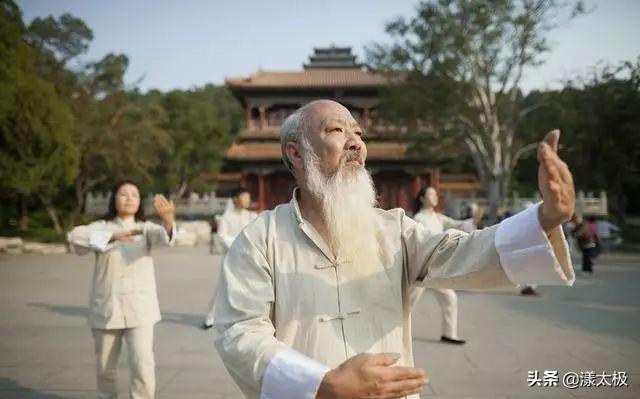
Tai Chi exercise is a moderate-intensity aerobic exercise with gentle and slow movements.
During exercise, muscles rhythmically contract, relax, and stretch, providing a good indirect stimulation for bones. This stimulation improves bone metabolism, increases bone mass and bone strength, effectively preventing the appearance of elderly people's osteoporosis symptoms. A study found that elderly people who regularly practice Tai Chi have an osteoporosis rate of 36.6%, significantly lower than the control group's 63.8%.
When practicing Tai Chi, focus on slow, gentle movements, with movement ranges starting small and gradually increasing. Accompanied by a shift of body weight from one side to the other, progressive knee extension, and rotation of the torso, head, and limbs, it enhances lower limb stability and improves the body's balance ability, effectively reducing elderly people's falls or lowering the risk of injury from falls, preventing fractures.
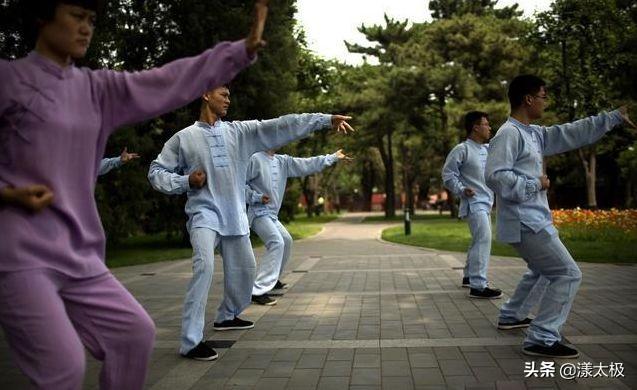
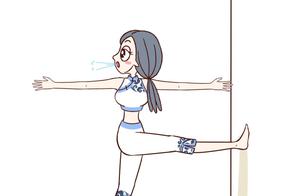
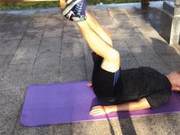
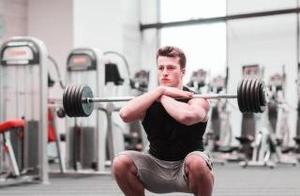
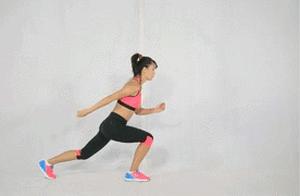
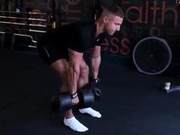
When training the legs, follow the leg strength, from high to low poses, gradually and progressively exercise. As leg strength increases, gradually lower the center of gravity. Before exercising, do some appropriate stretching exercises to avoid injury; after finishing, do some relaxing exercises for the leg muscles.
Disclaimer
The text and images in this article come from the internet, aiming to promote Tai Chi. The copyright belongs to the original authors. If the original authors have objections, please contact us, and we will handle or delete it promptly.