Over 40, You Can Have a 20-Year-Old Figure: 5 Simple Tips for Easy Weight Loss
At your age, losing weight may be a challenge. But in reality, it's much simpler than you think. By understanding some nutritional knowledge, losing weight can always be easily achieved.

As people enter their 40s, there will be a lot of growth, such as wisdom, enhanced self-awareness and confidence.

However, it is difficult to adapt to some normal physiological changes. The most important thing is the slowdown of metabolism, which makes it more difficult to maintain weight and therefore more difficult to lose weight.
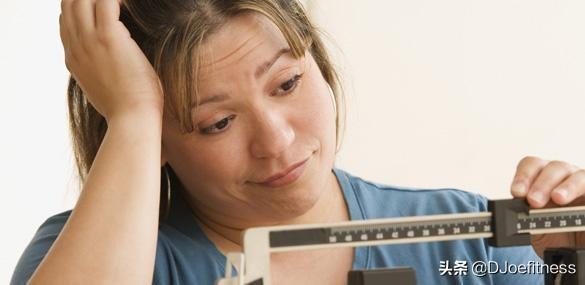
However, losing weight after 40 is not impossible. You can lose weight at any age, while optimizing overall health. Here are some suggestions for all our friends over 40. One of them is to eat a piece of dark chocolate! Looking forward to it.
Reduce, but don't stop carbohydrate intake
Carbohydrates are fuel, and we need to get them from whole foods, such as fresh fruits, whole grains and potatoes, which contain vitamins, minerals, fiber and antioxidants. Completely eliminating carbohydrates will deprive your body of important nutrients, leading to unnecessary side effects such as constipation, fatigue and irritability.

But after 40, your daily carbohydrate needs may decrease. As we age, it's not possible to eat a lot of carbohydrates, because this will cause weight gain, and it will take more effort to lose weight. The best solution is to optimize the quality of the carbohydrates you eat (such as choosing natural pumpkins instead of processed bread), treat carbohydrates as a small addition to a meal, not as the main component.
For example, a 40-year-old woman's meal consists of corn tortillas, rice, vegetables, beans, sauces and avocado salad dressing. Despite frequent walks and yoga, her weight didn't change. The culprit: excess carbohydrates. Corn tortillas and rice contain 120g of carbohydrates, which is even far beyond what her body can burn in one meal.
For example, we calculated that for her healthy weight, she needs 1750 calories a day. I found that a carbohydrate intake of 40% of the total calories is ideal for most women over 40, and they are all active but not athletes. That means she needs to consume about 175g of carbohydrates per day, which is approximately 40-45g of carbohydrates in each meal. This moderate carbohydrate budget allows us to choose carbohydrate-rich foods, but in smaller portions, paired with more non-starchy vegetables, lean protein and healthy fats.
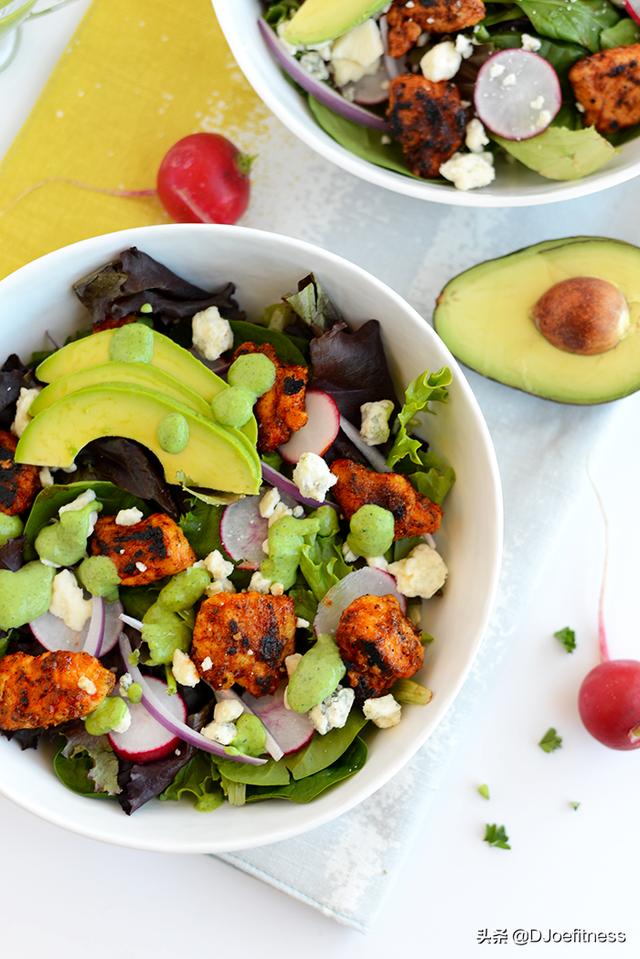
When she replaced her corn tortillas with a salad, the carbohydrate content dropped to 42g. She still felt full, satisfied, energetic, and saw changes on the scale. Carbohydrates don't make you fat, so you don't need to eliminate them completely. Completely eliminating carbohydrates is often unsustainable and not the best choice for health. The goal is to choose high-quality carbohydrates and maintain a balance, enough to satisfy your needs without exceeding your body's fuel requirements.
Eat more vegetables

Start with vegetables, then build around them. I often advise eating a bowl of non-starchy vegetables for breakfast, two bowls of vegetables for lunch and dinner. At least 5 bowls of vegetables a day can provide valuable nutrients and help prevent diseases. These vegetables can also increase satiety and help regulate blood sugar and insulin levels, support healthy digestion, all of which contribute to sustainable weight management. It is worth noting that most people overestimate their vegetable intake, and only 9% of adults eat the minimum recommended vegetable intake (which is much lower than the above suggestion).
Eat plenty of green vegetables for breakfast, mixing shredded zucchini into oatmeal, adding vegetables to scrambled eggs, or just eating vegetable slices like cucumber.
Eat a salad for lunch, full of leafy greens, spicy dressings, beans, and avocados. For dinner, roast, pan-fry, or cook vegetables as the main component of the meal. Pair your vegetables with lean protein, healthy fats, and small amounts of healthy carbohydrates to create a perfect balance for weight management and nutrition.
Be careful with alcohol

Many people over 40 only realize that their weight has changed when they reduce or stop drinking alcohol. Research shows that alcohol needs to be taken seriously, as moderate drinking can help control weight. But excessive or alcohol abuse is at higher risk of obesity.
Moderate drinking means drinking one small glass of wine, about 140ml, 340ml of beer or 42ml of white wine.
If you drink half a bottle of wine every night, you might have these questions.
First, alcohol lowers inhibitions and stimulation, so you may eat more unconsciously.
Furthermore, when alcohol is metabolized, the body prioritizes breaking it down. This means that food containing alcohol will not be burned.
Finally, excessive alcohol disrupts sleep, and healthy sleep cycles are directly related to metabolism, weight management and fat accumulation in the abdomen.
If it is unrealistic to completely abstain from alcohol, you can consider specific drinking strategies. Gradually reduce the amount, only drink on weekends, or limit yourself to one drink per day. This is important.
Don't eat weight loss foods (or restrict your diet)

Many of my friends in their 40s still hold outdated weight loss ideas. One is to eat weight loss foods, that are highly processed low-calorie, low-carb, low-sugar, low-fat foods. We advise you to completely eliminate these foods from your diet! Besides their unsatisfactory effect, weight loss foods seriously disrupt your appetite, trigger inflammation, change the beneficial bacteria in your gut related to weight management, and burden your immune system.
Research has shown that switching to natural foods instead of processed foods increases calorie burning. This can help you lose weight even without reducing calorie intake. Choose abundant homemade healthy meals and healthy salads instead of low-calorie 'frozen meals'. Replacing a few low-fat cookies with a slice of apple with almond butter or a piece of high-quality dark chocolate is a better choice.
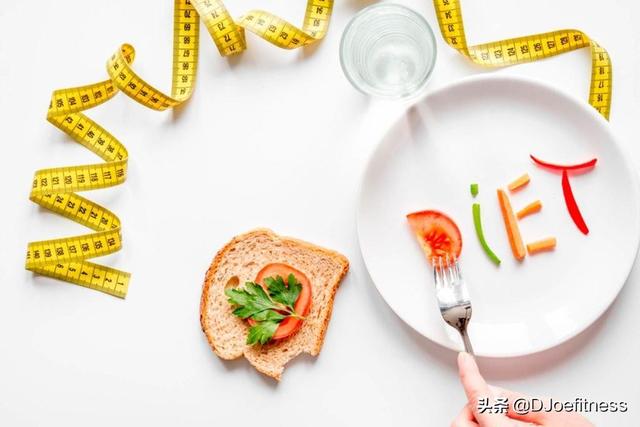
Another sustainable and healthy weight loss is not dieting. Depriving yourself of normal food will eventually backfire. Instead, take a balanced approach, not eating too little or too much, focusing on nutrition rather than restriction. This may seem boring and not a quick fix. But it feels best for your body and emotions, and it's a sustainable long-term approach.
Eat dark chocolate every day
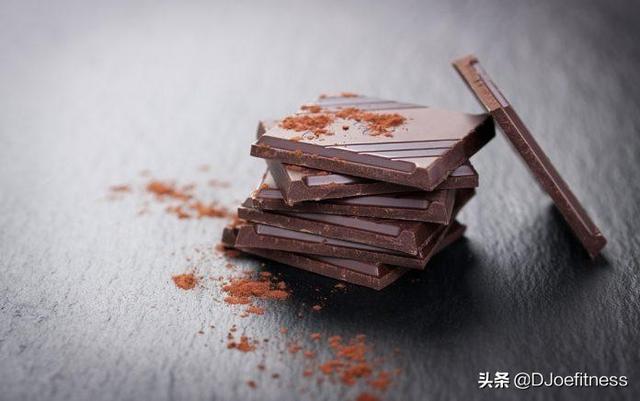
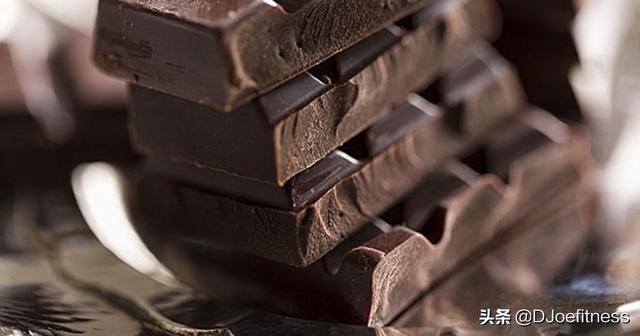
A study supports this recommendation, and many companions who have tried it can prove that eating dark chocolate every day helps suppress cravings for sweet and salty foods. Dark chocolate can also help reduce stress, which is a major factor in emotional eating. Studies have shown that consuming 25-30g of 70% dark chocolate for two weeks can reduce stress hormone levels in people who are very stressed.
5 pieces of 70% dark chocolate contains less than 250 calories, but it provides antioxidants, fiber and magnesium, which is related to relaxation, improving sleep and improving mood.
Now, looking forward to enjoying a chocolate indulgence to forget high-calorie, high-carb delicacies. Scatter 25-30g of 70% dark chocolate throughout the day, or enjoy it in one go as part of a daily 'self-reward' ritual.

Believe in your 40s, you can also have a better figure.
Thank you for reading, please follow this channel.