Secrets That Most People Don't Tell You! Learn These Two Little Tricks to Easily Handle Long Jiao
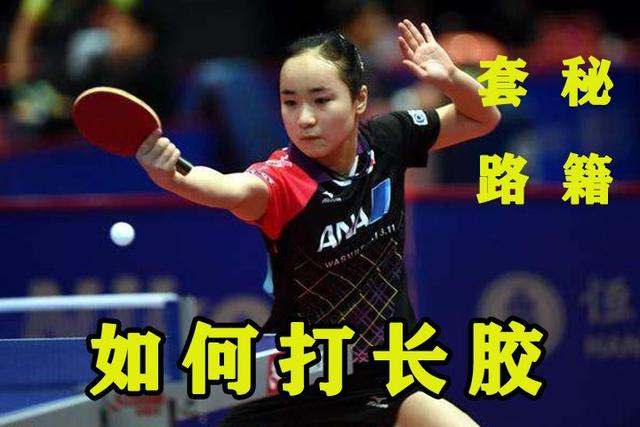
It's easy to fall into your opponent's trap during a match against Chang Jiao, with Chang Jiao's many return techniques and their odd and sudden nature. Being put on the defensive is a very unpleasant experience. So, how can you try to take the initiative when playing against Chang Jiao?
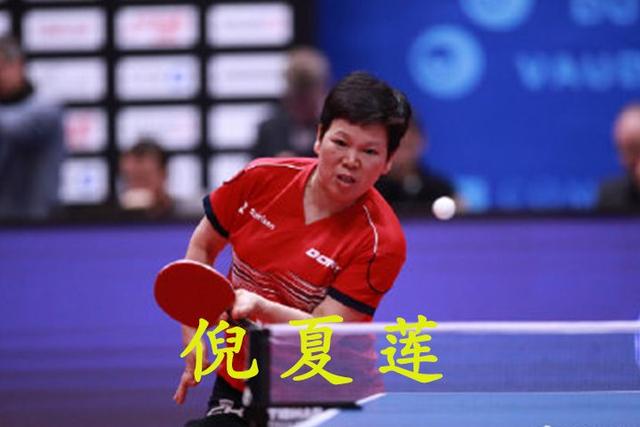
First, when serving, focus on topspin and backspin serves. As we have discussed before, side spin serves are more easily countered with topspin, making it difficult for you to return the ball. Topspin and backspin can make it easier for your opponent to handle the return.
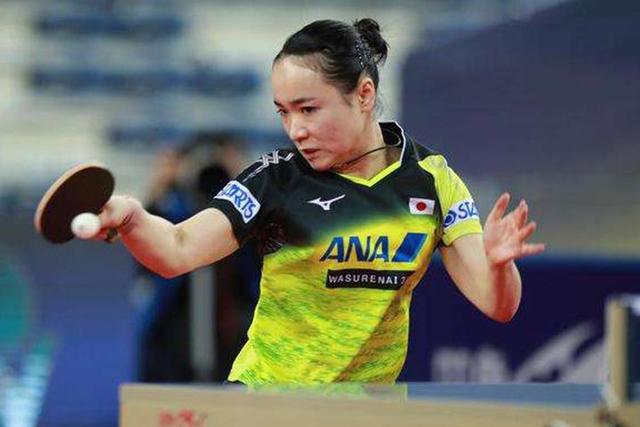
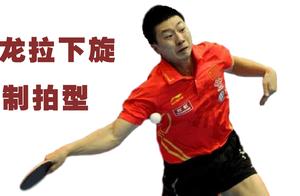
Today we are going to talk about two tactics that can be used at the return of serve. The first is to emphasize the spin of the return when you can get it going, that is, when receiving the serve, pull out a very strong topspin ball, and hit the ball during its downward trajectory, focusing on adding topspin to it, highlighting the spin of the return, preventing the opponent from directly attacking. Playing against Chang Jiao requires a certain foundation of basic skills, especially the ability to play continuous topspin and backspin arcs with rotation.
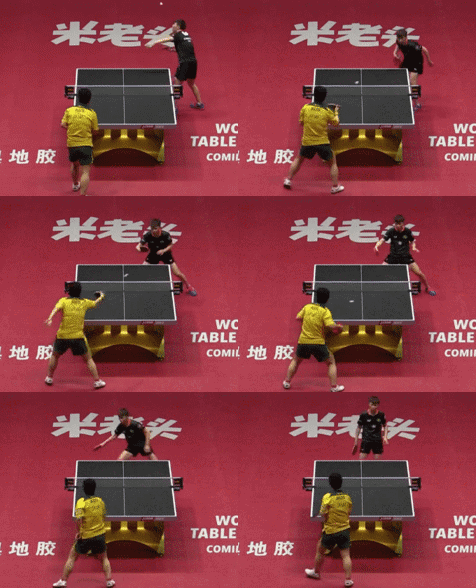
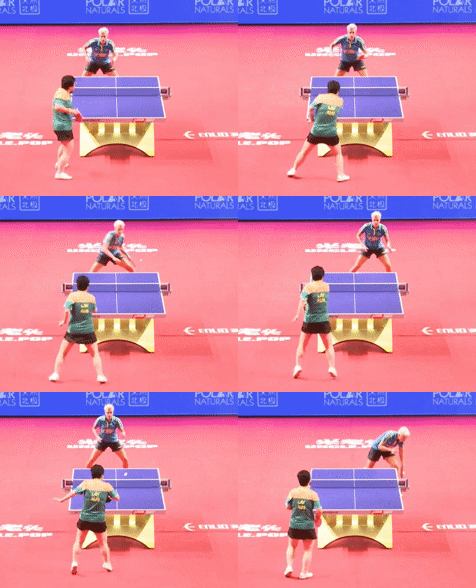
The second one is when you don't use topspin, the opponent's serves may be short and lack the opportunity to react. When these balls are pushed, try to push the landing point as long as possible to the baseline. Because if the long-pushed ball is close to the baseline, the opponent will easily attack or pull it, making it difficult for you to quickly return the ball and cause it to fly, often leading to being put on the defensive. If you use a long-push to give the opponent a long ball, you can directly attack when the opponent's return quality is not high.
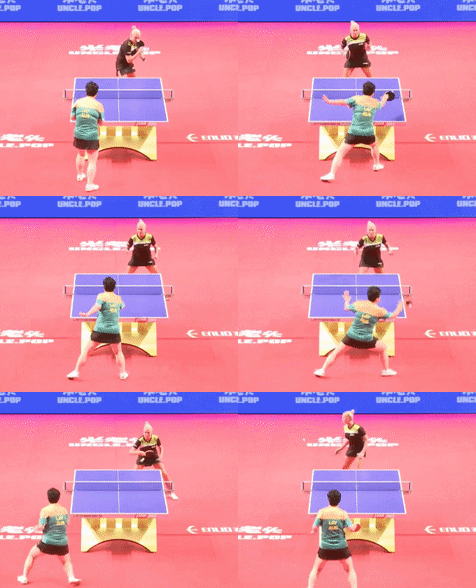
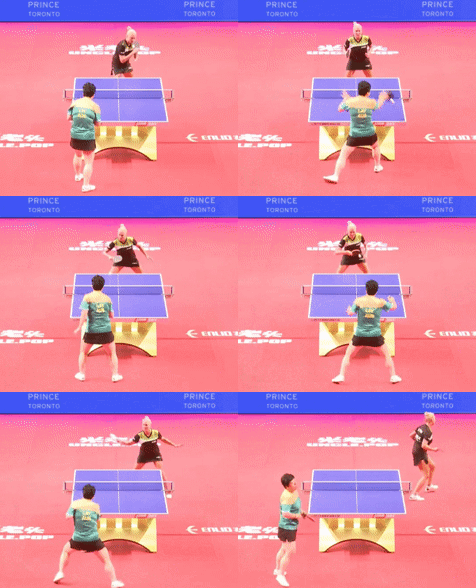
The above two points are common tactical choices when returning serves. When using them in the match, you still need to make choices based on the opponent's characteristics. Your opponent's forehand and backhand will definitely have relatively weak areas. Although Chang Jiao has many techniques, amateur players often cannot master all of them. In general, the backhand is relatively strong, at this time you can play the opponent's chasing position or forehand at a large angle.
-