Yoga, Flexible Thoracic Spine is Important, These Postures Will Fully Flex Your Thoracic Spine
Have you ever had lower back pain? About 80% of people experience lower and upper back pain. Most back pain is located in the lower back (lumbar spine) or neck (cervical spine), but the problem is often in the thoracic spine. Although the thoracic spine doesn't receive much attention, it actually houses the lungs and heart, surrounded by ribs, protecting these vital organs. Of the 70 joints in the spine, 50% are located in the thoracic spine.
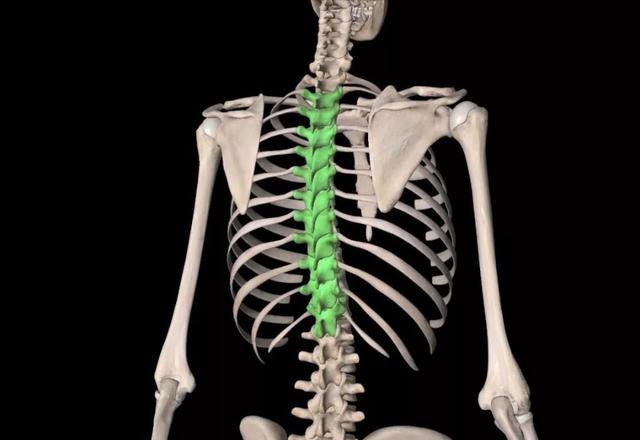
If you consider the other 20 special joints that assist rib joint movement (called rib transverse joints), you'll quickly realize that the thoracic spine is responsible for three-quarters of the movement of the trunk. The occurrence of problems is high. Despite the potential for movement in the thoracic spine, the unique design of the upper back and ribs doesn't allow for as much movement as you imagine.
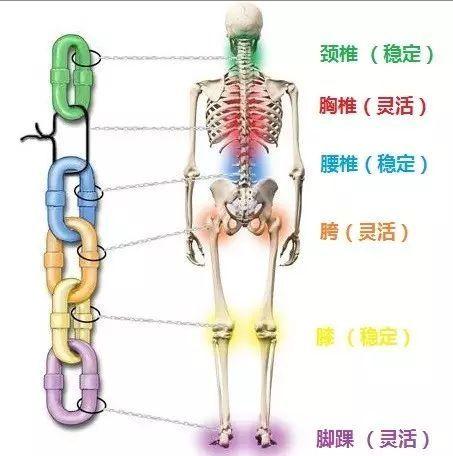
This is to protect your lungs and heart: Excessive movement here can affect these key organs. More importantly, the vertebrae in the thoracic spine interlock with each other and act as a rigid stop during flexion, again protecting your internal organs. These movement inhibition mechanisms are important. However, if you lack adequate activity in the thoracic spine, the most movable connection point in the spine—T12/L1 (the lowest point of the thoracic spine and the highest part of the lumbar spine)—may move excessively (especially during flexion). Thoracic spine stiffness can also lead to excessive movement of the cervical spine. To relieve pain in the cervical and lumbar spine, you need to move the thoracic spine safely to maintain posture and mobility, and to prevent compensation.
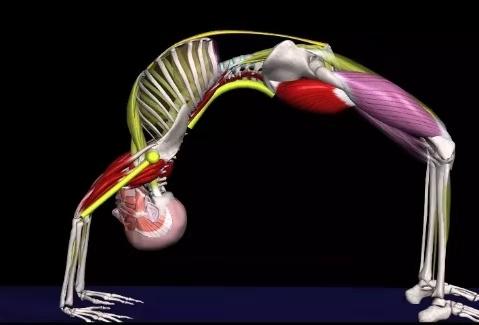
Thoracic spine and breathing connection
Spinal health is characterized by its ability to enter all its inherent ranges of motion. Once movement begins, joints and tissues harden, which translates to breathing problems in the upper back. Thoracic spine stiffness can cause the ribs to harden, limiting the capacity of the diaphragm and lungs. Because breath control allows us to enter the nervous system and emotional centers, the interaction between the upper back and breathing is crucial for relaxation, emotional coordination, and overall health.
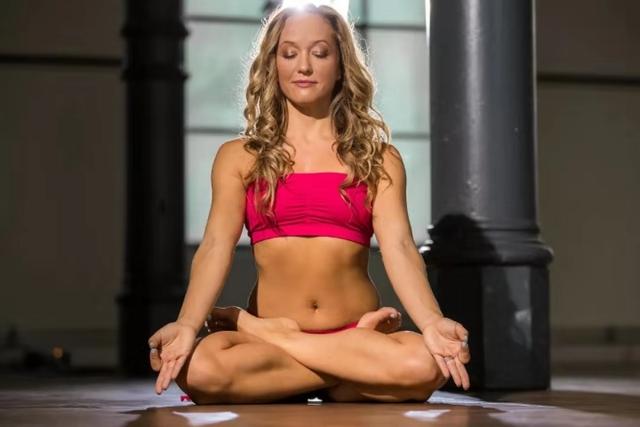
Range of motion self-test
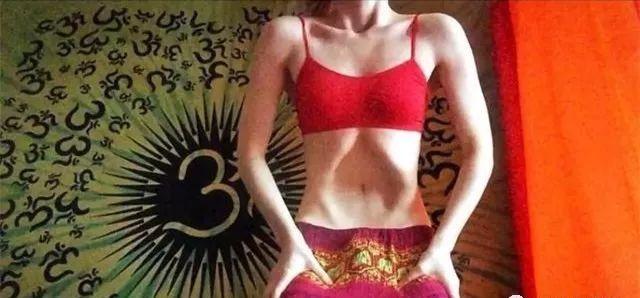
Abdominal compression technique (uddiyana bandha)This will challenge your thoracic spine and ribs, allowing them to fully utilize the joints above the ribs. Movement brings the ribs to their highest state, allowing for lateral expansion of the diaphragm.

Bring your feet slightly apart while standing. Take a deep breath through your nose, then forcefully exhale through your nose. Contract your abdominal muscles as much as possible, expelling as much air as possible from your lungs, then relax your abdomen. Use rib expansion to simulate inhalation, even though you are not actually inhaling. This pulls the abdominal muscles into the rib cage and forms a dome-like depression within the rib cage. Enter Jalandhara Bandha (neck compression technique). Hold for 5 to 15 seconds, then slowly allow your abdomen to drop, returning to normal breathing.Note: Only practice when you are empty stomach
Thoracic spine anatomy
There are many muscles in the thoracic region, most of which also pass through the cervical and lumbar spine areas. Here you can learn about the muscles that attach to the thoracic spine, as well as the muscles that relate to the thoracic spine and rib cartilage.
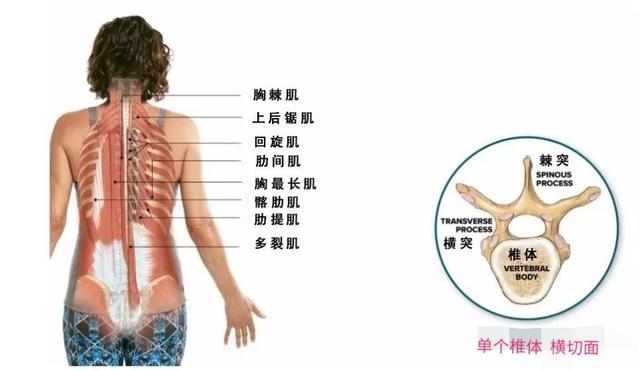
Longitudinal muscles:These muscles connect different parts of each vertebrae to adjacent or semi-adjacent vertebrae.
Latissimus dorsi:These muscles provide support for the trunk and facilitate multiple movements of the trunk.
Scalenes:These muscles connect your three upper thoracic vertebrae to the 2–5 ribs. During inhalation, they help lift the ribs.
Diaphragm:This muscle attaches to the inner side of the six lower ribs; when it opens, you may notice it.
Intercostal muscles:These muscles are located between each rib. They stabilize the ribs and help with breathing.
Rib cartilages:These muscles connect the transverse muscles of the thoracic spine to the lower ribs, and help you inhale.

Vertebral anatomy
Processes:Are bony projections on the back of each vertebra. Next to each process there is an arch-like structure called a spinous process, which provides a major connection point for the muscles and ligaments of the spine.
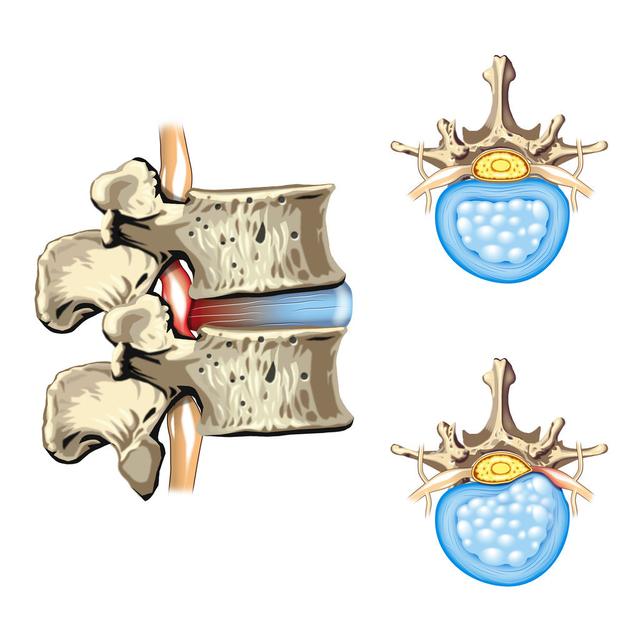
Intervertebral discs:Are the shock absorbers of the spine. Each intervertebral disc forms a fibrous cartilage joint to allow the vertebrae to move slightly and to keep adjacent vertebrae together.
Vertebrae:This circular shape forms the front of each vertebra. Dense bone protects spongy cartilage tissue.
The following 4 postures can increase thoracic mobility
Through these postures, curve the spine, extend the spine, transverse bending and extension, and spine rotation.
Spinal curvature, try…
Bunny pose
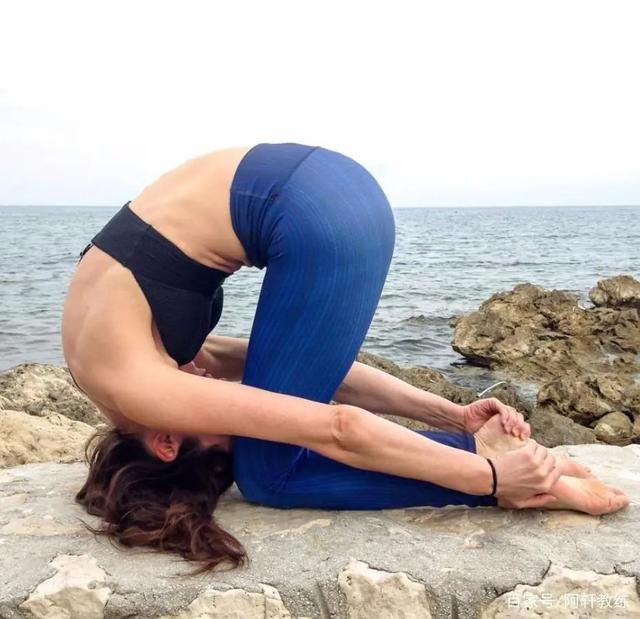
This simple pose puts you in a static frog position, helping you experience spinal flexion (forward rolling), especially in the thoracic spine.
Come to baby pose, then grasp your heels with your hands. Activate your abdomen, placing your head on the ground while raising your hips off your heels. Carefully breathe into the back of your body, and equidistant extend from your head to your ribs, as well as from your shoulders. Stay here for 8–12 breaths,Spinal extension, try…
Standing backward bend
This posture helps stabilize the T12 and L1 junction, where stiffness can occur if the thoracic spine lacks mobility.
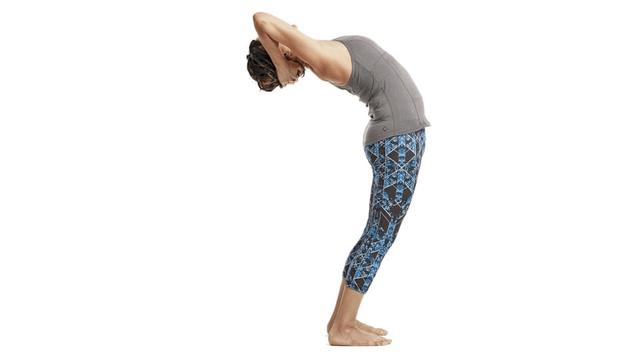
Mountain pose, place your hands behind your head, activate your abdomen and buttocks, tilt your pelvis backward, and your left hip and foot away, while keeping your right shoulder fixed on the ground. You should feel this rotation primarily through your upper back. If you are flexible enough, your left foot will touch the ground. Hold for 8–10 complete breaths, deep breathing into your chest cavity, and slowly exit the exercise, switching sides.
For lateral and extension try…
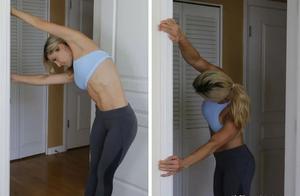
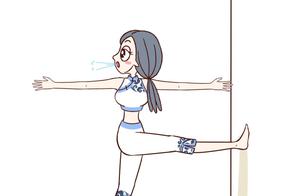
Doorway pose
This traditional posture will bend and stretch your thoracic spine sideways.
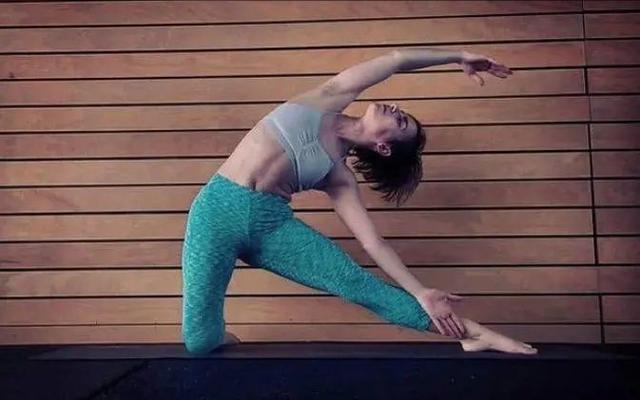
Place your right knee on the ground and extend your left leg to the side. Place your right hand to the left side as support, and curve your spine to the left, while keeping your hips and shoulders fixed. You should feel this lateral bending. If you are flexible enough, your left foot will touch the ground. Hold for 8–12 breaths, deep breathing into your chest cavity, and slowly exit the exercise, switching sides.
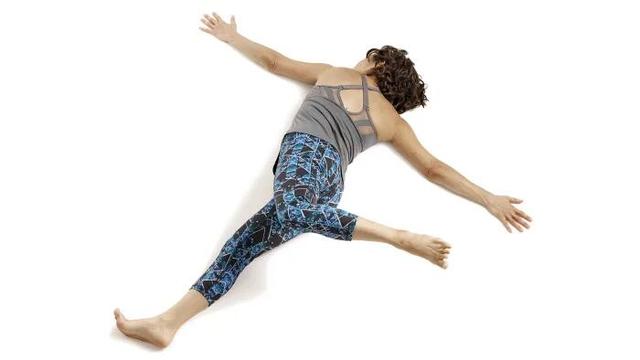
Spinal rotation, try…Cobra Pose VariationThis posture improves thoracic rotation and helps twist the sunken upper back.
Lie supine
Activate your abdomen to restrict the backward bending at the thoracic-lumbar junction. Rotate your neck to the left hand and then roll to the right hip. Keep your hips active, tilt your pelvis backward, and shift your left hip and foot backward, while keeping your right shoulder fixed to the ground. You should feel this rotation primarily through your upper back. If you are flexible enough, your left foot will touch the ground. Hold for 8–10 breaths, deep breathing into your chest cavity, and slowly exit the exercise, switching sides.
8–12