The 3 Best Types of Endurance Training for Weight Loss, Which Forms the Basis of All Weight Loss Methods
Physical fitness includes 6 modules: strength, endurance, speed, agility, coordination, and flexibility. For sports slimming, the most important factor is endurance, which manifests in 3 endurance qualities. Currently, all existing weight loss methods, regardless of their form, are rooted in the three types of endurance described in this article.

1Aerobic Endurance
Aerobic training directly utilizes fat as 'fuel' during the exercise process, but simply doing aerobic exercise doesn't necessarily lead to good slimming effects, which is related to each person's aerobic endurance level. The stronger the aerobic endurance, the better the slimming effect. Specifically, this manifests in two aspects: 1) the shorter the time taken for the same distance; 2) the farther distance achieved in the same time.
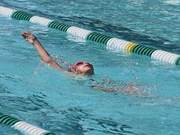
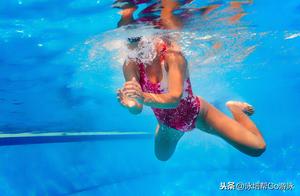
Training methods include two aspects: constant speed and variable speed. For example, constant-speed running and variable-speed running, constant-speed swimming and variable-speed swimming, constant-speed cycling and variable-speed cycling. Constant-speed training directly consumes fat, while variable-speed training improves cardiopulmonary function, which in turn promotes constant-speed training, and the two mutually influence each other.
Training time: approximately 40 minutes for one training session will achieve the best effect.
2Anaerobic Endurance
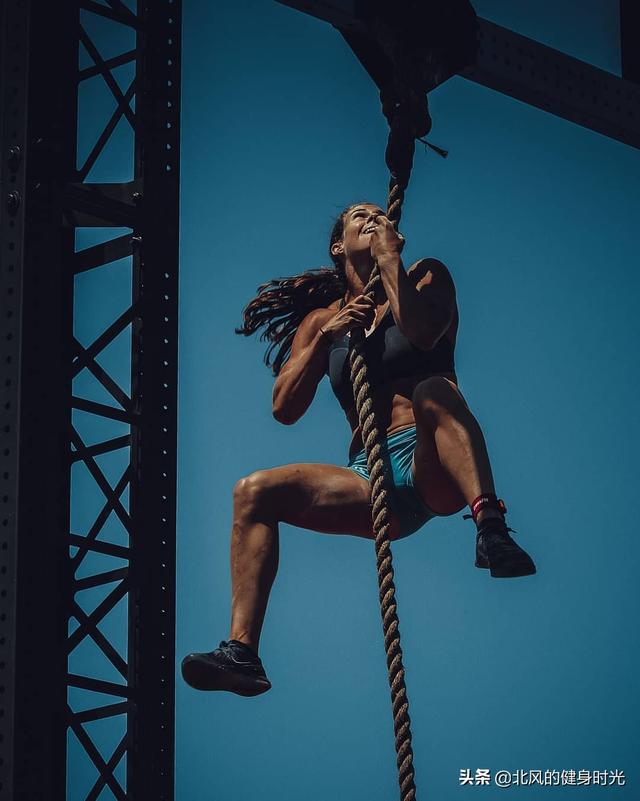
This type of training cannot directly consume fat during the exercise process, but it can maintain a high metabolic level in the body for several hours after exercise, which can consume more energy and achieve the slimming effect. It's a high-intensity training mode, requiring a complete and intense exercise ability for about 3 minutes, bringing heart rate close to each person's maximum heart rate (maximum heart rate = 220 - age).
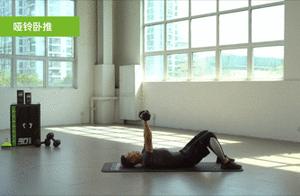
The training method is typically cyclical training, continuously completing several different actions without rest between them. The choice of actions can be strength training with equipment (such as my 14-day sports slimming column), bodyweight training (such as my 100 bodyweight fat loss training lessons), or a combination of bodyweight and equipment training. Regardless of the combination, each set takes about 3 minutes and approaches the maximum of one's exercise ability. If the heart rate intensity is not close to the maximum heart rate, this training will not be meaningful. Therefore, there should be some proficiency in the choice and combination of actions.
Training time: between 15-25 minutes (excluding rest time) to reach the peak of maximum ability. If each set is 3 minutes, the total training quantity is 4-7 sets.

3Critical Point Endurance
Aerobic endurance is supplied by the aerobic system; anaerobic exercise is supplied by creatine phosphate and glycolysis. This type of anaerobic endurance belongs to the glycolysis system. This critical point endurance is a type of energy provision between the aerobic system and glycolysis. This type of training can simultaneously consume fat during exercise and improve the body's metabolic rate after exercise.
This training form is more diverse and flexible, with a training set time controlled between 5-15 minutes, which can be combined with equipment strength training and bodyweight training, or purely bodyweight training, or purely strength training.
Training time: between 20-30 minutes (excluding rest time) to reach the peak of maximum exercise ability.
Summary
From the perspective of exercise intensity, anaerobic endurance is the most intense, followed by critical point endurance, and aerobic endurance has the lowest intensity. From the perspective of training time, aerobic endurance takes the longest, followed by critical point endurance training, and anaerobic endurance training takes the shortest time.