One of the Most Toxic Creatures in the World, Yet its Venom Can Cure and Save People
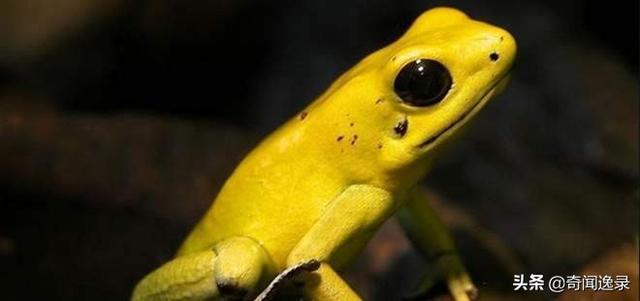
Golden dart frogs are a very deceptive species, although they are only about 5 centimeters long, they are the most poisonous animals in the world. A single golden dart frog's toxins can kill ten adults within three minutes. In fact, the name of this frog is derived from the local hunters of Colombia, the Anambas, who once used this frog to make poison arrows.
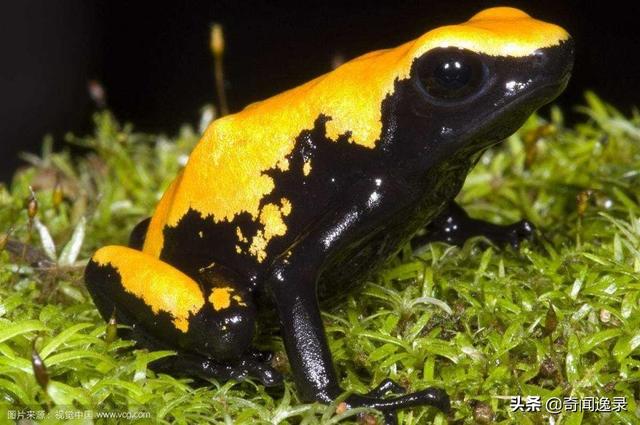
People can find these bright yellow frogs along the Pacific coast of Colombia, and their colors sometimes shift between yellow, orange, and light green. Their appearance can scare away potential predators. In 2001, Kyle Summers at the East Carolina State University confirmed that this frog is the most toxic animal in the world.
Of course, encountering this poisonous frog does not necessarily mean you will be immediately poisoned, because golden dart frogs only secrete toxins when they feel threatened. However, holding a golden dart frog in your hands is undoubtedly a suicidal act. The toxins secreted from their skin can freeze nerves, preventing nerve pulse transmission. Within a few minutes, the muscles of the victim will involuntarily contract and ultimately lead to cardiac arrest.
Scientists have yet to determine how this frog obtains its toxicity. Scientists investigated the ancestors of the golden dart frog 4-4.5 million years ago and found that they did not contain toxins. People suspect that this animal does not produce toxins, they absorb toxins from prey (flies, poisonous ants, etc.). Their extremely high metabolic rate allows them to quickly process toxins and develop resistance to toxins, even absorb toxins. The fact that captive frogs cannot produce toxins further confirms this theory.
Interestingly, in 2014, Ralph Saporito at the John Carroll University discovered that the poison dart frog can inherit toxins from its mother, and they become toxic after absorbing toxins during feeding. Saporito explained: 'Poison arrow frog mothers can transmit toxins to their eggs to protect them.' Of course, the brightest colors on their backs were the first to scare away predators.
Sadly, due to widespread deforestation and human activities, the beautiful golden dart frog has become an endangered species. To protect the golden dart frog, the World Land Trust has established the Golden Dart Frog Amphibian Nature Reserve in the wetlands of western Colombia.
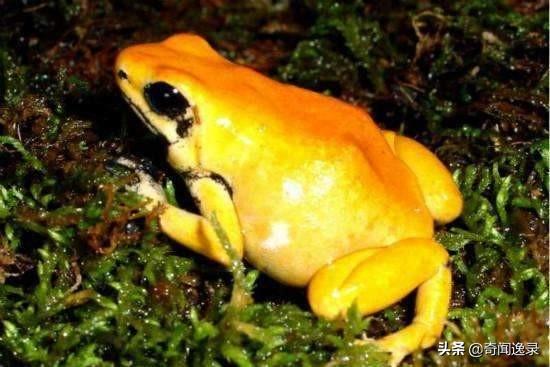
The Anambas Indians learned to extract toxins from the golden dart frog without harming them. However, a BBC article described a more cruel way of extracting toxins. Locals would keep the frogs in hollow wooden staffs, and then use arrows to pierce their throats when needed. At this time, they would start to secrete toxins, and the toxins secreted on their backs would be particularly abundant, and people could clearly see white foam. After staining the arrows with this toxin, the toxin on the arrows could remain for a year.
Currently, medical researchers are exploring the medical uses of golden dart frog venom, especially its potential in painkillers. Richard Fitch at Indiana State University said that the alkaloids have anticancer and analgesic abilities, and they also have a stimulating effect like caffeine, and understanding their structure and chemical substances can help scientists design better drugs.
Follow me! Follow me! Here are unexpected history, incredible trivia! Follow Wonders of Tales. Astronomy and geography, palmistry legends, urban mysteries, historical mysteries, should have it all. Heard that friends who follow will have a smooth sail, two dragons soaring, three rams opening, four seasons safe, five blessings, six six big luck, seven stars high, eight sides come money, nine nine same heart, ten full, ten beautiful, all things go smoothly, lucky everything, everything comes true!