‘Murderous’ Cuckoo Birds: Borrowing Nests to Breed, Letting Other Birds Raise Young, and Avoiding Detection?

The Second Season of Legends, Chapter 6
People always like to be independent, rather than relying on others.
However, in the animal kingdom, the cuckoo, is a complete parasite, thief, liar, and even a killer.
Heaven endowed the cuckoo with the talent of 'liar', to make up for their lack of motherhood and child-rearing.
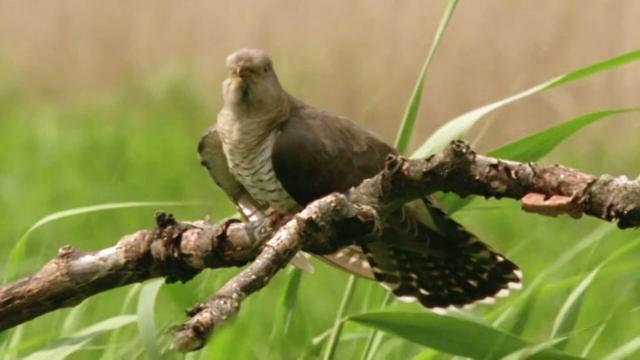
△Cuckoo
The cuckoo, also known as the robin, is a totem of rural life.
The true face of the cuckoo is little known, and its unique habits are even a mystery.
The cuckoo never builds a nest, but 'occupies' nests of other birds'.
They will drop their eggs into other bird's nests, and eat the eggs in the nests.
And the newly born cuckoo has the innate ability to kill other chicks in the nest.
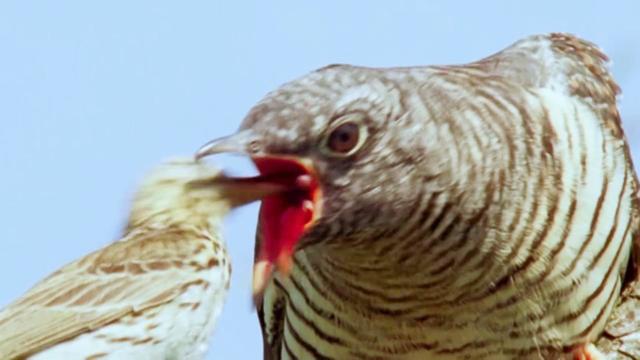
△Tiny parent (left) feeding a huge cuckoo chick (right)
Surprisingly, the huge young cuckoo can cleverly deceive the small, affectionate parents, feeding and caring for it for weeks until it becomes independent.
How did this 'professional liar' manage to do this without being exposed?
Cambridge University ecologist Nick Davies spent twenty years researching cuckoos, and revealed the secret to us.
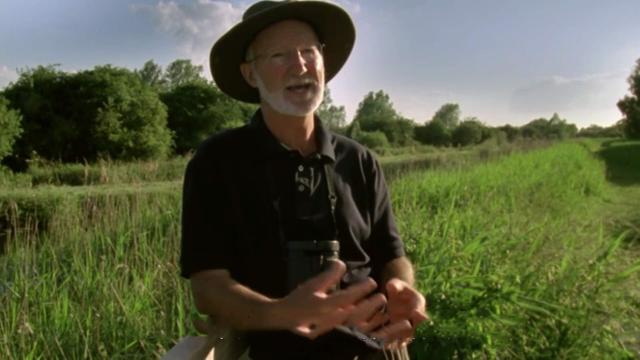
△Nick Davies
Some female cuckoos prefer one bird in particular, that is the reed warbler.
The reed warbler is one of the 20 hosts that cuckoos choose in Europe.
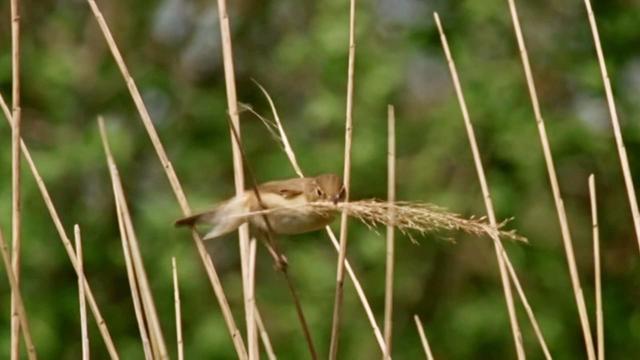
△Reed warbler
In late April, the reed warblers, after a long migration, arrived from Africa in the Cambridgeshire willow mire of Britain.
The reed warblers came here to seek mate, build nests, and feed their offspring.
But these little birds' peaceful life in the marsh was soon broken.
Cuckoos also returned from Africa, and they clearly knew the best time to arrive.
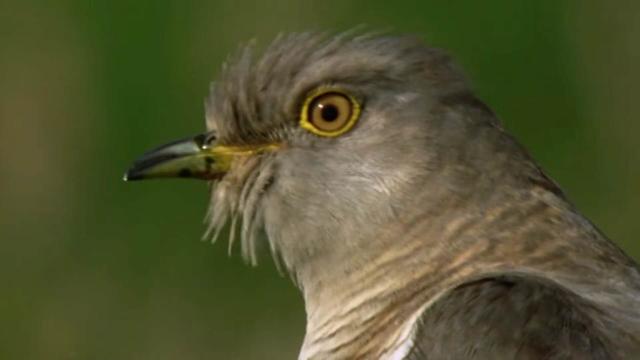
△Cuckoo
Male cuckoos will establish their territory in dense reed warbler areas.
Subsequently, the female cuckoos also arrived.
This means the fraud is about to begin.
In mid-May, the first wave of reed warblers' nests built were completed, and their eggs were about to be laid.
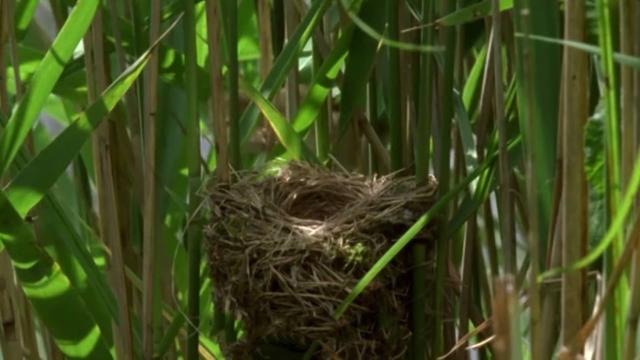
△Reed warbler nest
But the reed warblers' every move was watched by cuckoos.
Cuckoos do not build nests and do not raise their own children.
Darwin pointed out,The cuckoo's unique habit of using nests to lay eggs is due to its ancestors evolving over time.
However, in the process of evolution, its descendants became increasingly lazy in building nests and less responsible for their parents.
But this made them able to lay more eggs in multiple nests.
This successful fraud will also be passed on to the next generation.
But how did the cuckoo deceive other birds and let them willingly raise its children?
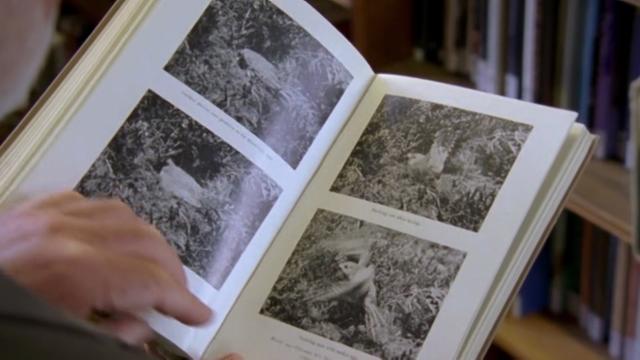
This question has troubled countless natural scientists since Aristotle's time.
It was not until the 20th century, the mystery was finally solved.
Edgar Chance, a senior bird enthusiast, discovered many secrets that had not been known before.
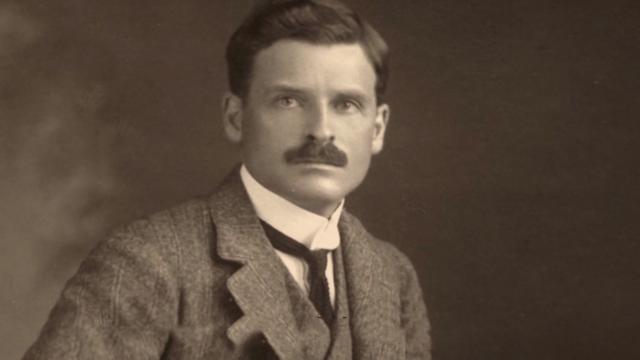
△Edgar Chance
In 1920, he made an observation experiment in a park in Wimberley, Somerset.
Chance made detailed records of each cuckoo he observed.
During this process, he made some unusual discoveries.
He found that cuckoos lay eggs only once a day.
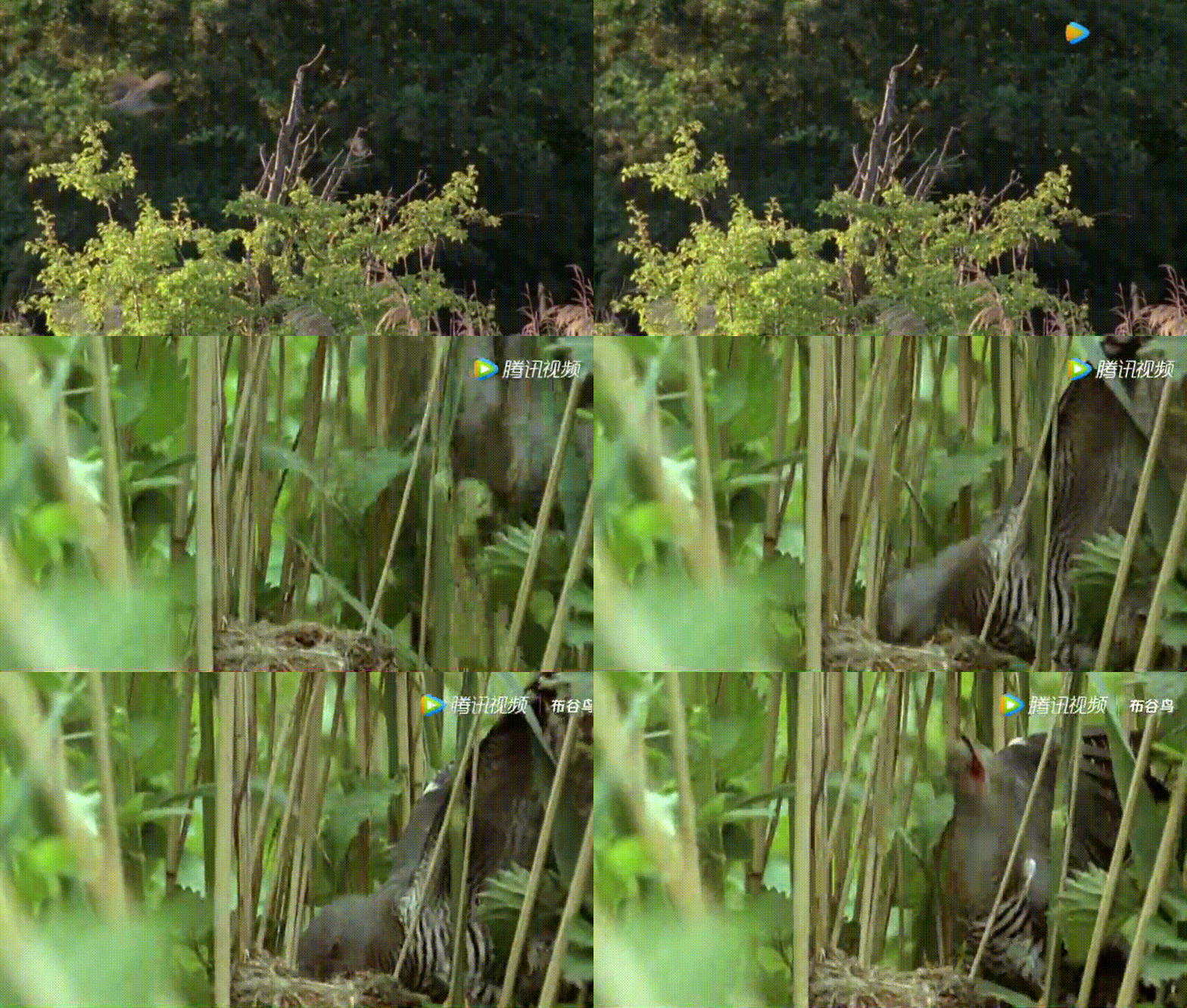
△Cuckoo secretly laying eggs before putting the eggs in the host's nest
Most birds lay eggs in the morning, while cuckoos lay eggs mostly in the afternoon.
Chance found that cuckoos directly laid their eggs in other birds' nests.
But how did they succeed in deceiving the host to raise their children?
The answer to this question was not revealed until half a century later.
The cuckoo's imitation is an important factor.
In theory, this deception increased the competition between cuckoos and hosts.
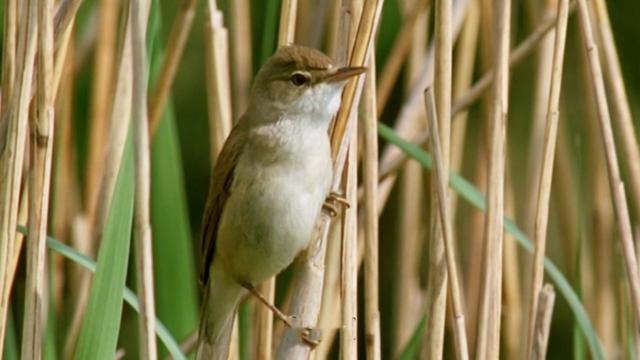
△Cuckoo victim – Reed warbler
Once the host defended, it would stimulate the cuckoo to produce even more sophisticated tricks.
Similarly, this would also lead the host to develop more comprehensive and advanced defense measures.
Davies' experiment proved the necessity of imitation:
To succeed in deceiving, the colors, types, and sizes of the two eggs must be the same.
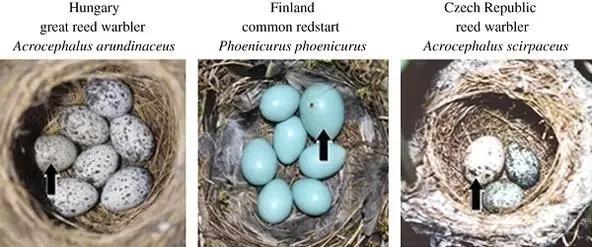
△Arrow indicates: Comparison of cuckoo eggs and host eggs with different colors and breeds.
The green cuckoo egg mimics the reed warbler's egg.
The blue cuckoo egg mimics the red bunting egg.
The speckled cuckoo egg mimics the songbird's egg.
However, each female cuckoo can only lay one shape of egg.
So only by imitating the egg perfectly can the cuckoo outsmart the situation.
However, this doesn't mean the cuckoo has finished its work.
Next, it must calculate the precise timing of laying eggs.
The reed warbler lays one egg every 4 to 5 days.
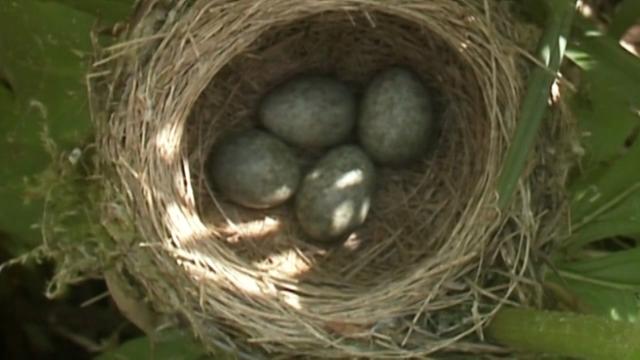
△Reed warbler egg
The cuckoo must closely monitor the reed warbler to ensure it can lay eggs on the same day.
If it's too late, the cuckoo chick may not hatch in time.
If the egg is dropped into the reed warbler's nest too early, these eggs will be thrown away by the parents.
Although the cuckoo is not responsible for raising its children, it will fulfill the breeding obligation on time.
In a nest, the cuckoo lays only one egg.
In a breeding season, a cuckoo will lay nearly 20 eggs.
This means that about 20 pairs of parents will help the cuckoo raise its children for free.
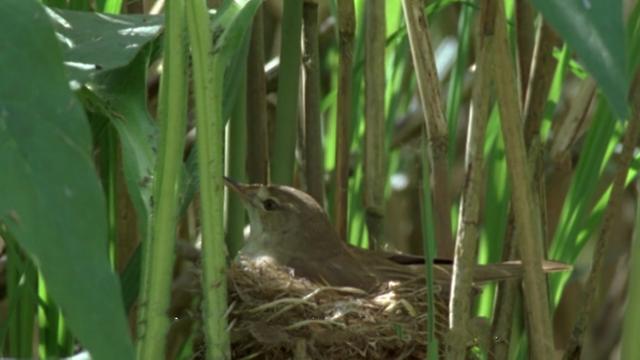
△Reed warbler helping the cuckoo hatch eggs
But this also means that the cuckoo needs to monitor 20 nests and successfully deliver the eggs to the parents.
The reed warblers fooled, did not know what would happen next.
However, some nests undisturbed by cuckoos seemed safe.
Throughout the summer, countless insects provided the reed warblers with plenty of food for their children.
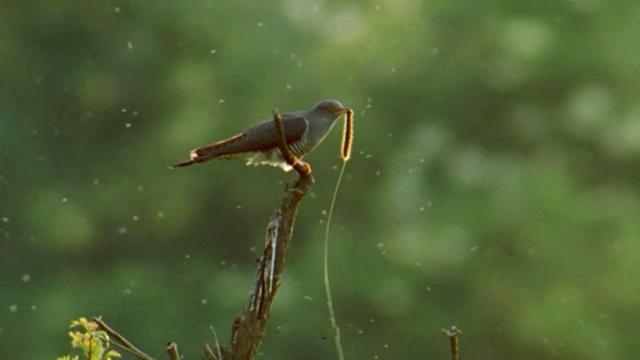
△Reed warbler catching food for chicks
If lucky, in one breeding season, a reed warbler couple can successfully raise two broods, about 8 to 10 chicks.
And the couples of reed warblers fooled by the cuckoo did not have time to raise a second brood.
Because feeding one cuckoo chick already made them exhausted.
This cuckoo chick was just hatching.
Next, the fate of the reed warbler offspring will be determined by the imposter.
The chick was 8 days old.
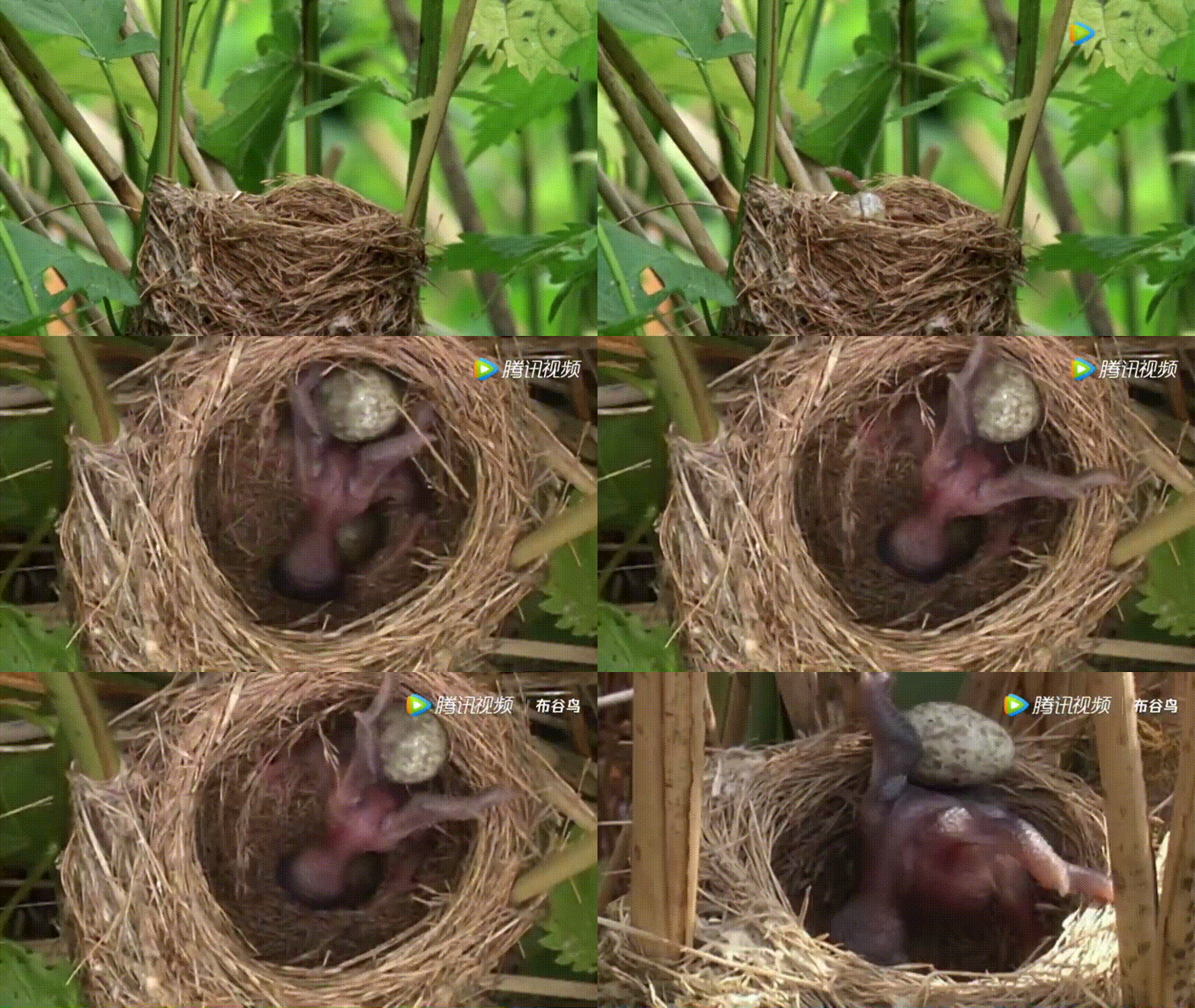
△Cuckoo chick
The reed warbler chick was already taller than the same age cuckoo chick.
But the cuckoo chick still allowed the parents to feed it for 16 hours a day.
How clever is this trick!
So how did the cuckoo deceive the reed warbler parents to get more food?
Scientists found the answer: When the chick is born, it plays a trick.
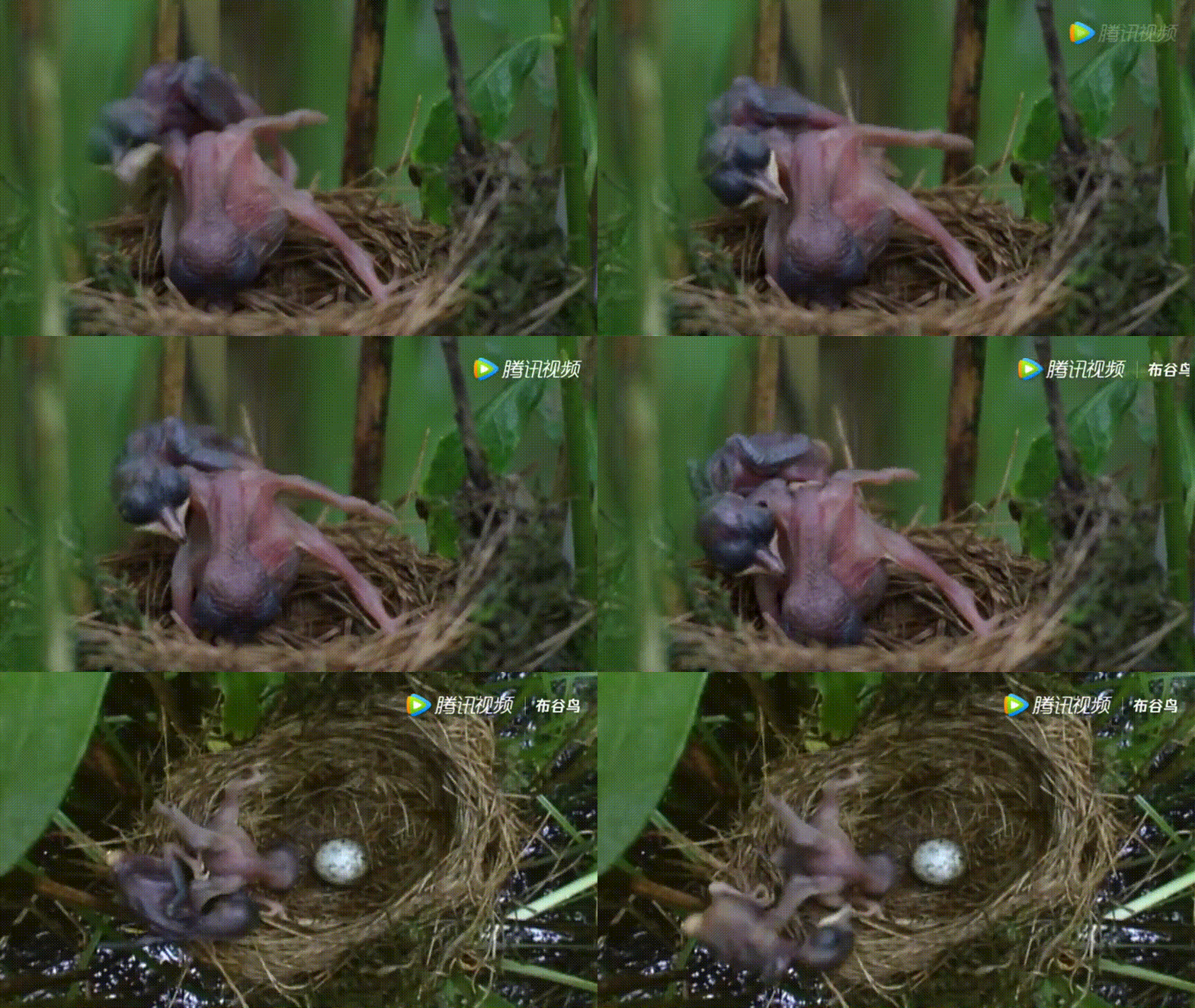
They found that:
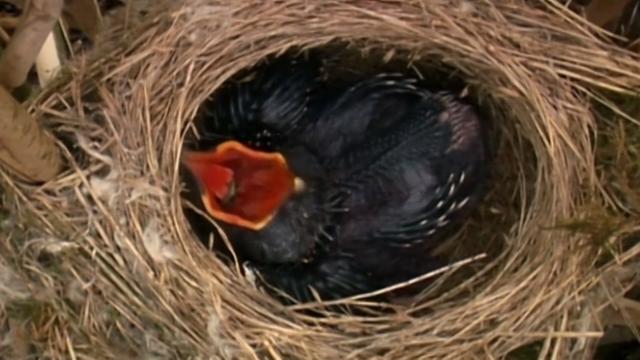
Since its birth, the cuckoo chick has been playing a trick of pushing the host's eggs.
△Cuckoo chick pushing the host's eggs
The chick's call will make a rapid call.
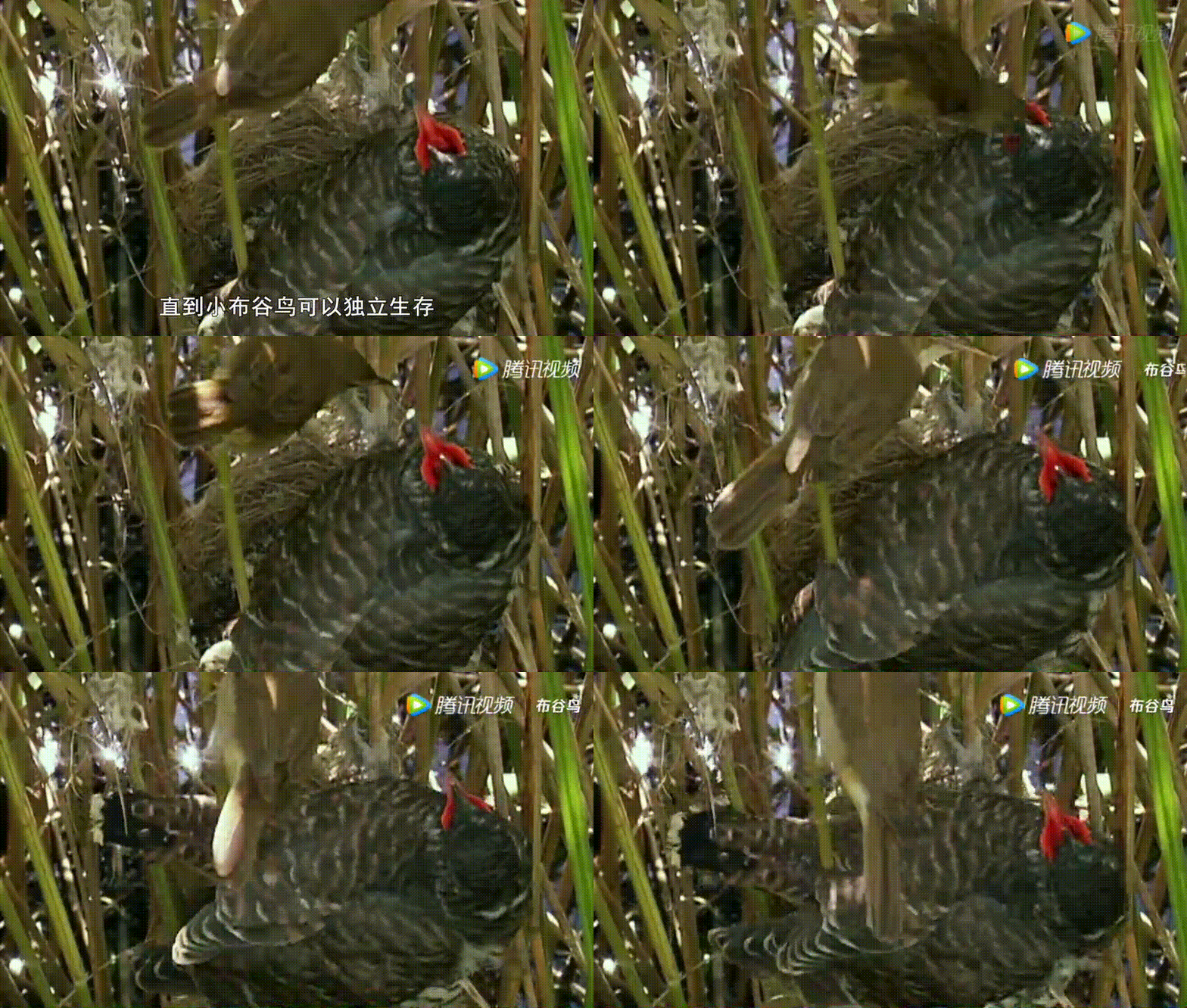
When it was one week old, its call sounded like a hungry chick crying in a brood.
When it was two weeks old, its call sounded like two broods of chicks crying.
It was this urgent call that deceived the parents.
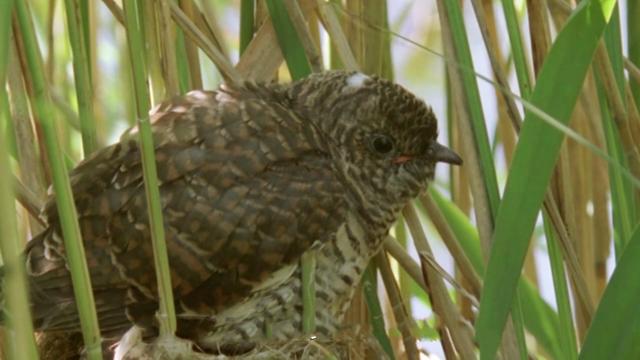
This huge cuckoo was 20 days old, the nest could no longer accommodate it, it will soon have to leave the nest.
△Nearly adult cuckoo
But the parents will still feed it for two weeks until it can survive independently.It's hard to believe that after a half-month journey, this chick will fly 4000 kilometers to Africa for the winter.
If it survives safely on this currentWeather journey.
Next spring, it will return to the birthplace.
Like its ancestors, it will set up a fraud for the reed warbler, let the victims raise its offspring, and the victims will live and die.
Appendix: Review of past articles
1. Warmth in the extreme cold: From near-death to resilience, it's just as parents keep pushing me.
2. The last moments of the king tiger 'Chegil': Natural laws can't be escaped, a legend will eventually come to an end!
Sources:
BBC, 'Decoding Cuckoo' The Natural World Cuckoo', UK
Shell Game Network, 'Why can the cuckoo mimic different colored eggs?'
BBC The Natural World Cuckoo
//