Sharing, Protecting Your Pet’s Vision Health is a Pet Owner’s Essential Duty
Like humans, dogs and cats' vision declines with age.
Pet vision problems should not be ignored
There are many reasons for pet vision decline, including cataracts, glaucoma and retinal diseases such as Sudden Acatalepsy Retinal Syndrome (SARDS) and Progressive Retinal Atrophy (PRA).
SARDS affects retinal photoreceptor cell function, primarily affecting middle-aged dogs and causing blindness within a short period. Symptoms include difficulty in directional recognition, bumping into objects and pupil dilation. Some dogs also exhibit abnormal changes, such as increased appetite, increased thirst and weight gain.
PRA causes the retinal photoreceptor cells to gradually degenerate over weeks to months. This mainly affects older dogs. Early signs may include reduced night vision, when pets become less willing to go for walks in the dark or in low light conditions.
A cute little puppy on the operating table
A simple test to determine vision problems
If a pet owner suspects their pet may have a vision decline, they should first conduct a simple test to determine if their vision is impaired.
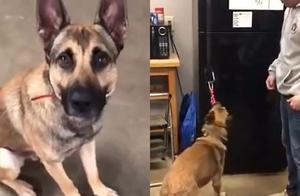
Pet owners can test how their pets track a cotton ball or other lightweight items, observing their eyes carefully. Are they agile or sluggish? Will they follow the object's movement? A laser pointer or flashlight is also a good option. These usually attract their attention, but not by shining them in the eyes, but rather by observing whether they chase these lights.
Light, odorless and weightless, can only be detected by the eyes, and pets cannot detect it through other senses, so it is a very good method.
If any changes in vision are detected, pet owners should closely monitor their pets' appearance and behavior.
We should pay attention to our pets' ability to recognize directions in different light environments, because this may be a sign of retinal degeneration. More importantly, any eye discomfort, such as rubbing eyes, cross-eyes, redness, swelling, discharge or swelling, should be immediately sought by a veterinarian.
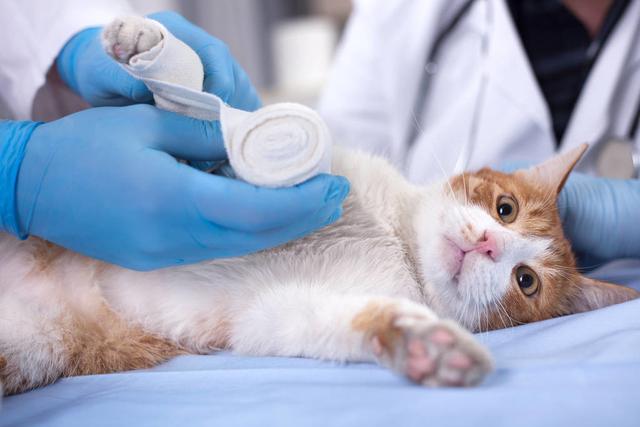
A cute little cat on the operating table
Vision impairment can be effectively treated and recovery is possible
If vision loss is detected and the potential cause is treated through timely treatment or surgery by an ophthalmologist, vision recovery is possible.
Complete vision recovery is not always possible, but our beloved pets have an incredible ability to cope with a sense of loss, which can strengthen other abilities. This is the same as humans with blindness, who generally have better hearing.
Dogs and cats are very good at vision loss because they can compensate for vision loss with their sense of smell and hearing, and their hearing is stronger than humans.
Cats' vision is much higher than humans'.
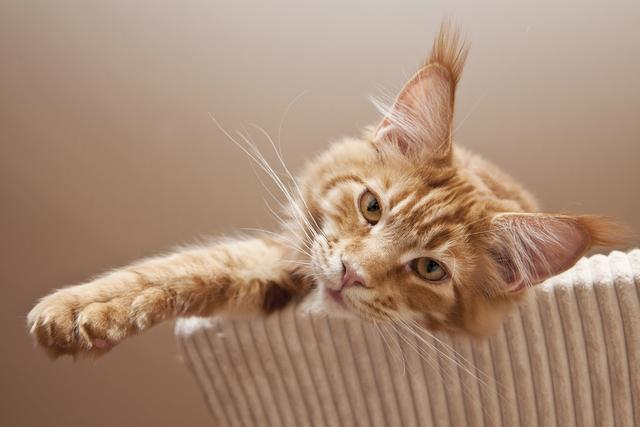
Please give more love to visually impaired pets
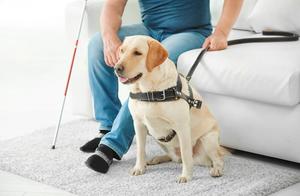
Even before adapting to a life without vision, pet owners should minimize the troubles caused by blindness for our pets.
Especially in climbing high and low scenes, it is necessary to pay attention. There is a kind of anti-collision circle, which is a good solution, but it cannot handle high and low climbing scenes. We can only rely on us to help our pets adapt to the life of impaired vision.
Uncertainty may be the most frightening aspect of handling pet vision loss, which requires us to be patient and loving, to dispel their fear of the unknown, and to guide them frequently in small indoor spaces or outdoor activities, so that our pets can remember some familiar scenes, so as to reduce some loneliness.
Summary
Pet blindness is not scary, what is scary is the owner's abandonment, please be responsible for raising pets, do not abandon and give up
The above is my experience and knowledge sharing, which I hope can help you. If you haven't liked it, please help click a like, and you can also click to follow in the upper right corner, thank you very much. If you have any questions, please leave a comment in the comment area, and I will continue to answer you here as much as possible.
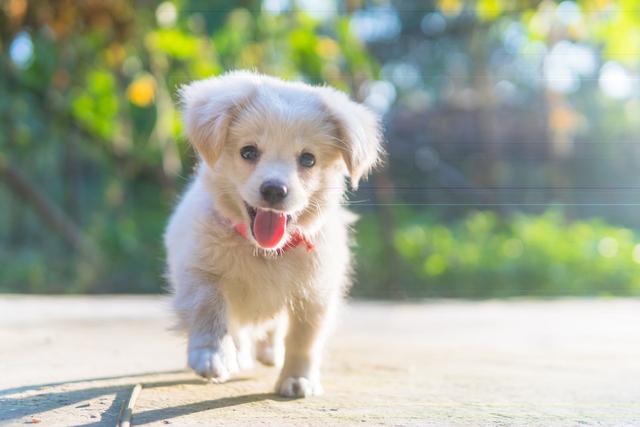
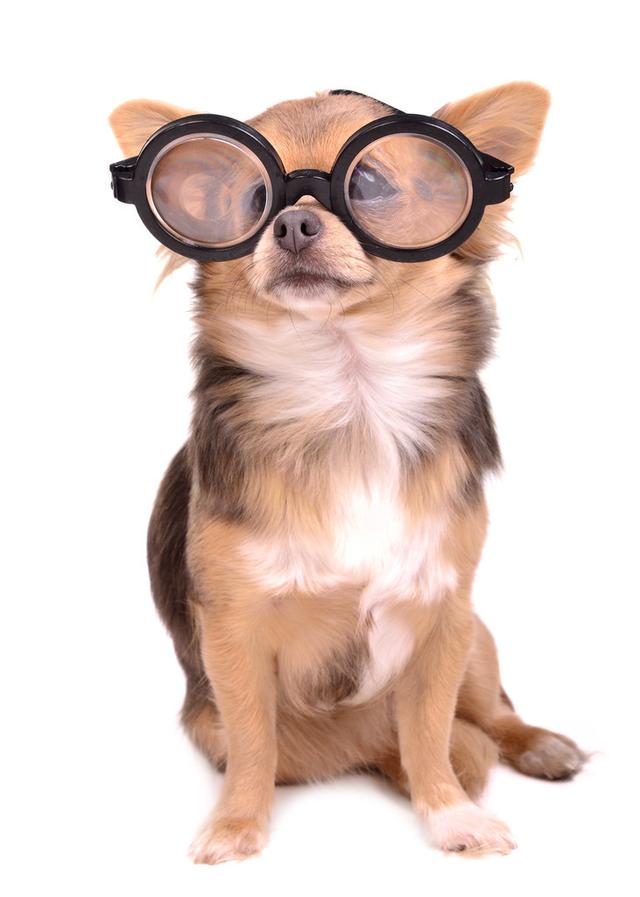
A cute little dog