Lithis Disc-bodied Spider – China’s Most Rare Spider, Also Known as ‘Spider Round Seal’
For a while, the editor introduced 'Spider Boss' – the Wolf Spider. If you missed it, please check out 'Doorworm's' page for more information. Spiders are a 'constant' presence in our lives, often 'sacrificed' under our bug zappers and shoes. Currently, 40,000+ spider species have been discovered worldwide, and 3,000+ have been found in China. Don't be fooled by their repulsive appearance, many of the spiders in our homes help eliminate mosquitoes and flies. Today, the editor wants to introduce a very rare and exotic species in the spider world –Lishi Disc-bodied SpiderEveryone, come and learn some knowledge!
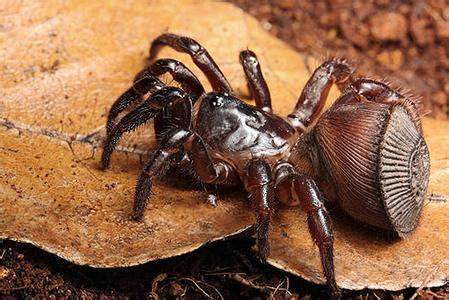
A masterpiece of nature – the 'Seal Spider'
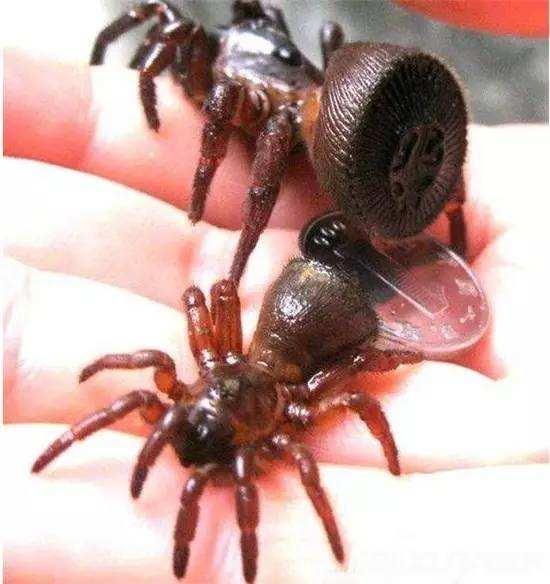
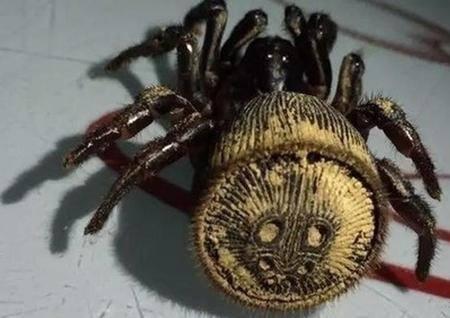
The forms of life are diverse and fascinating, either beautiful to the point of being captivating, or ugly enough to make you avoid them.Most spiders have a similar appearance in people's eyes: eight legs, furry, venomous, etc. When the scientists first saw the Lishi Disc-bodied Spider, they even thought it was a severely injured, disabled spider. This species was first discovered in 1901 in northern Thailand, and we discovered it in Sichuan Province, China, in 2000. Their appearance broke many people's preconceived notions about spider shapes. The abdomen of the Lishi Disc-bodied Spider is like a 'knife cut', forming a strange round shape, with unknown patterns on it, just like a mysterious 'seal', so it is also known asSeal Spiderand some netizens even gave it a nickname, 'Spider Round Seal'.The feeding habits of the Lishi Disc-bodied Spider are different from those of other spiders. Most spiders use webs to capture insects and other prey, while the Lishi Disc-bodied Spider particularly likes to dig holes, so loose soil became their favorite habitat. They come out at night to hunt and hide near caves, patiently waiting for prey. They use the hairs on their foot soles to sense the movement of prey, and then quickly jump out to bite the prey. Of course, the prey of the Lishi Disc-bodied Spider is not limited to insects, some small frogs and lizards also often become its food.
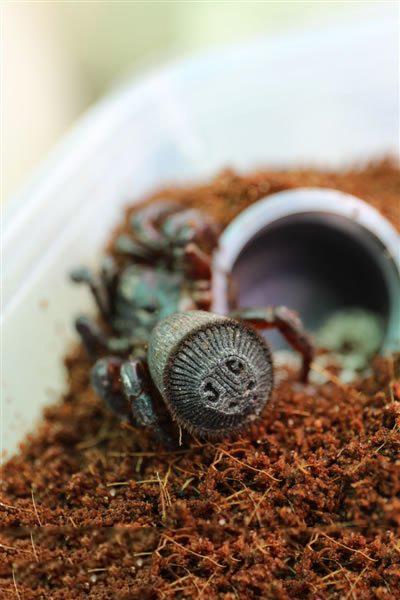
The story behind the Lishi Disc-bodied Spider
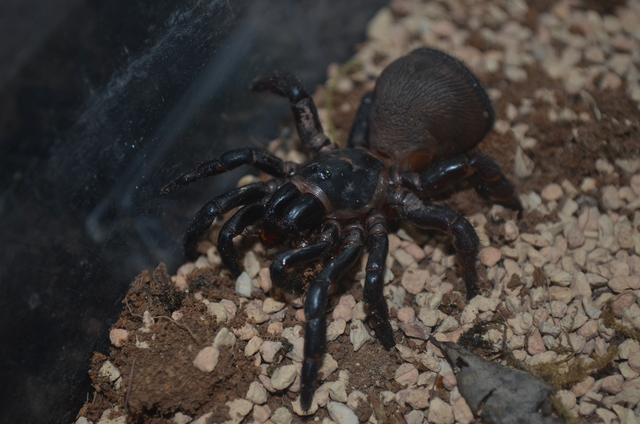
In fact, the Lishi Disc-bodied Spider has another interesting name in China –
Money-grabbing door spiderwhich has a fascinating story because this spider particularly likes to live in loose soil fields, so when farmers find the Lishi Disc-bodied Spider while farming, they think they have seen a big copper coin, and the farmers who are 'greedy for money' think they have found treasure, so they happily picked it up. Everyone can imagine the scene when the farmer picks it up and finds it is a terrifying spider, so this extremely strange spider is now known as'Money-grabbing door spider'.As for why the Lishi Disc-bodied Spider becomes like this, what are the substantive effects of its peculiar buttocks? Since they don't have web defenses, their unique buttocks have become their strongest defensive weapons. Perhaps because of this unique defensive behavior, the Lishi Disc-bodied Spider has evolved this unique shape.
How rare is the Lishi Disc-bodied Spider?
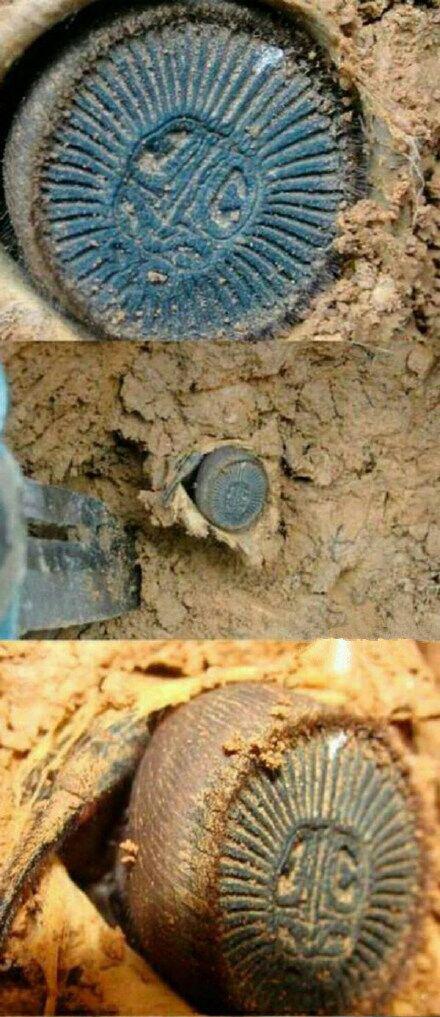
Many experts were particularly interested in the patterns on the buttocks of the Lishi Disc-bodied Spider when they first saw it, and they copied the pictures of its buttocks, and they were surprised to find similar patterns. Currently, there are 7 known Lishi Disc-bodied Spiders in the world, and the seal-shaped patterns on their buttocks are not the same. This extremely special spider has a very high temperature requirement, if the temperature is below 13 degrees, it cannot survive, which is one of the important reasons why it is so rare and precious. Since 2000, less than 20 Lishi Disc-bodied Spiders have been found in Sichuan and Fujian, Zhejiang provinces, China, which is considered a 'most rare spider species' . The farmer who first discovered the Lishi Disc-bodied Spider was also lucky to find treasure.
Conclusion
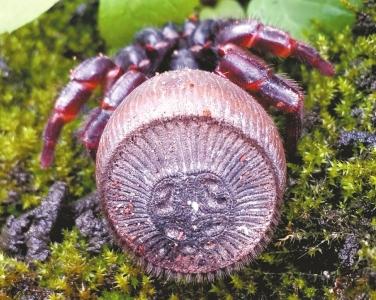
Spiders have a history of 300 million years, far earlier than humans, and they lived on Earth. However, their living areas are constantly being compressed or destroyed by humans. Although spiders are one of the 'five poisons', less than 30 venomous spiders actually pose a threat to humans, so we should not kill spiders when we see them, because they are also our 'mosquito machines'.
330""