Rescuing a Fallen Baby Bird, But the Bird Won't Fly, Veterinarian Examination Reveals Something Unusual
A florist owner's reaction, her flower shop housed a little bird, the bird mom would come every day to feed the little bird, the question is, this little bird has obviously passed the age of fledglings, why is it still accepting food from its mother?
It was a nightingale mother, it lived on a tree opposite the flower shop, one day its chicks accidentally fell out of the nest, fell to the road, the flower shop owner just picked it up and put it in the shop, feeding it with a little food, hoping it would grow up and be able to fly away by itself. Unexpectedly, the bird mother discovered that its child had been picked up by a kind person and put here, so it brazenly came to feed the child!
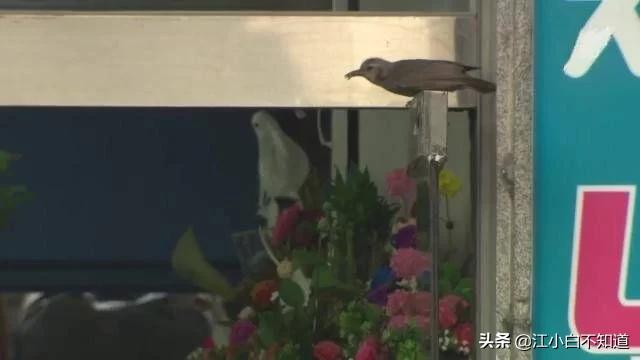
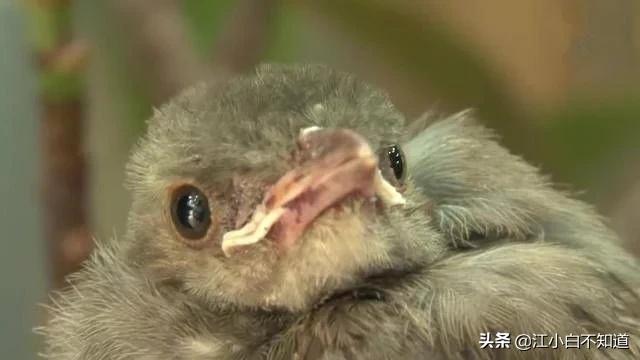
Sometimes it's insects, sometimes it's juicy fruits, the nightingale mother noticed that people didn't obstruct its feeding behavior, so it became more and more persistent in running to the shop. The little bird that was picked up was seeing it grow bigger day by day, its body changed, but its habit hadn't changed, it was still opening its mouth and demanding food from its mother.
At first, the owner didn't pay attention, but after a few days, the owner began to think, this little bird was growing its feathers, how could it not fly out on its own and wait for its mother to feed it. The owner consulted with a local veterinarian, and the veterinarian decided to come to the shop to take a look.
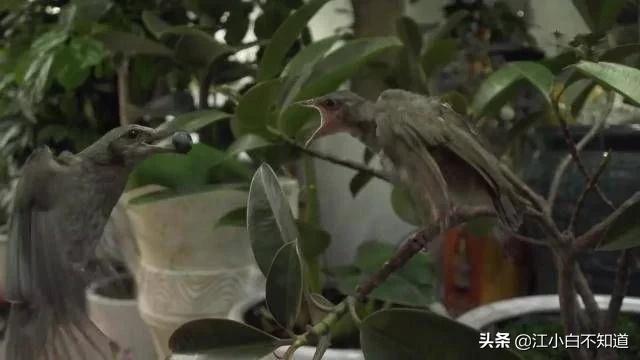
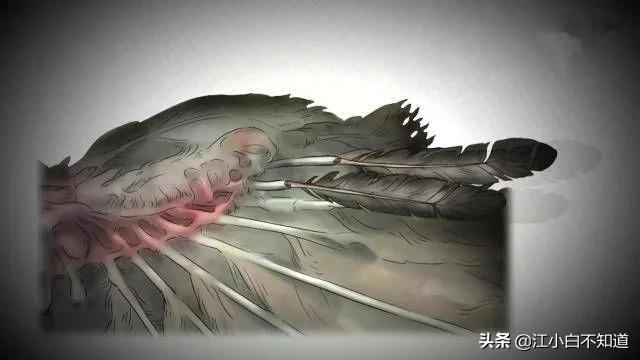
Sure, professionals understand this. The veterinarian spread the bird's wings and saw that the little bird's feathers had broken into two, so it couldn't flap its wings, so it couldn't fly. The veterinarian decided to help the little bird make a small surgery to repair its feathers, so that the little bird could fly.
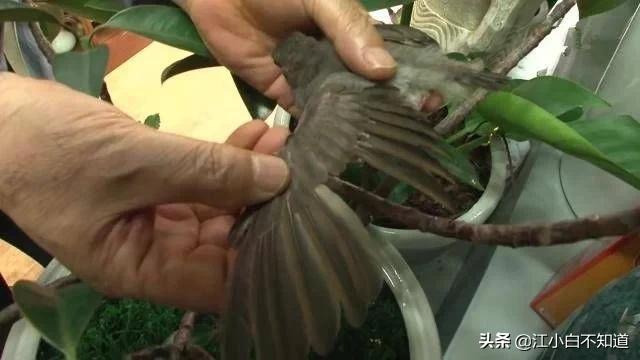
The surgery to repair the wings seemed simple, but it was actually a little difficult to implement, first, it had to find feathers of the right size and shape, secondly, it had to use a very firm glue to fix the feathers tightly, because the feathers would be subjected to a lot of force when the bird flew, and loose feathers would fall off when flapping its wings.
The doctor carefully selected and found a suitable feather and inserted it into the hollow rod of the broken feather, because the feathers are hollow, so their weight will not be too heavy, while also taking into account the strength of flight. Thanks to the hollow structure, the veterinarian could poke the feather into the hollow rod to fix it.
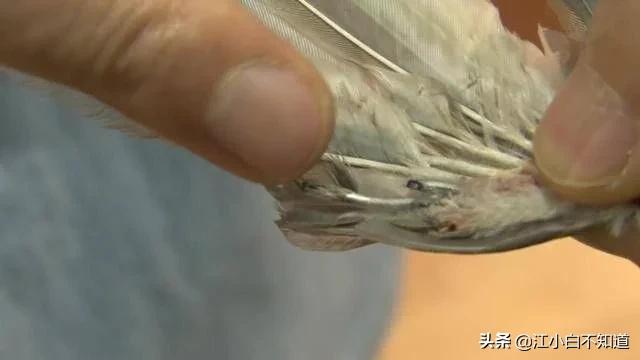
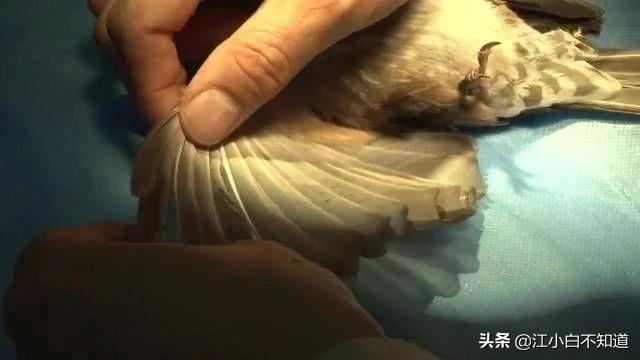
So, after the surgery, could the little bird fly? After the surgery, the little bird returned to the plants in the flower shop, and it tried to flap its wings again. It can be seen that this time there was no air leakage in the wings. The flower shop owner and the veterinarian watched nervously, wondering if the little bird could fly this time. If it did not fly after surgery, it would be a shame.
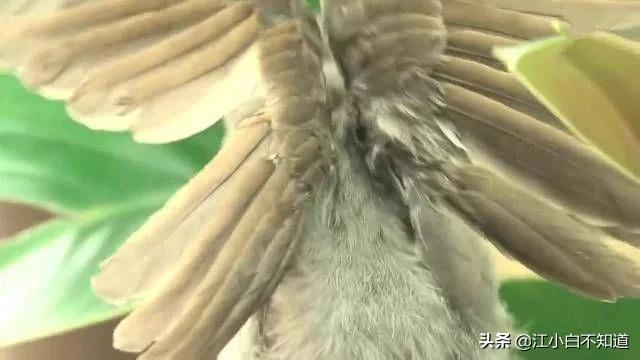
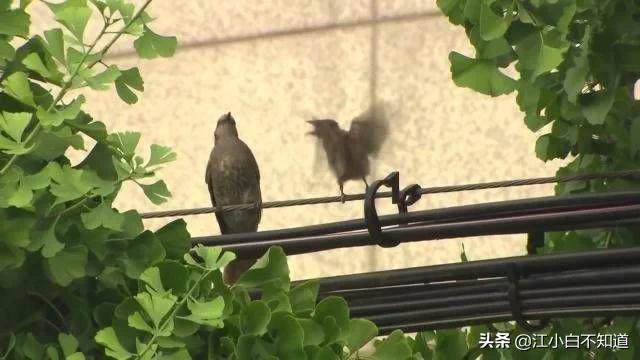
As a result, the little bird flapped its wings and actually flew out of the flower shop! It flew to the treetop where it and its mother used to live, on the wire! The people in the flower shop cheered for the little bird, and it was clear that the nightingale mother was very happy! However, it was still a little funny that the little bird could fly, but it still got used to eating from its mother and kept calling out for food.
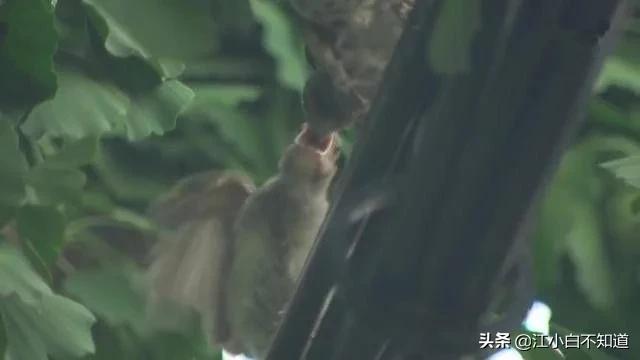
This nightingale mother was angry: you can fly by yourself, don't rely on me for food!
Bird baby: Mom, I'm hungry, I'm hungry, give me food!
Looking at the nightingale mother's cold and distant silhouette on the wire, compared to the little bird's eager begging and flapping wings, the person who was initially relieved sighed again.
Compared to rescuing cats and dogs, rescuing birds is relatively difficult; birds are generally timid, and sometimes they don't have any problems in themselves, but because they are watched by people, they are scared and don't eat or drink, which can scare them to death, especially some large wild birds like owls, etc. Picking up injured birds, it's best to contact the forestry department or animal park for help. Besides the birds' timid nature, wild birds also carry some bacteria and parasites, some of which may infect humans. If you don't rescue the bird, and infect it with diseases, that's a disaster.