Cats Hide Pain: Masters of Disguise
Generally, most cats are good at hiding their pain. Fortunately, there are many signs that your cat may be in pain. Knowing what to look for, so you can prevent your cat from suffering in silence.
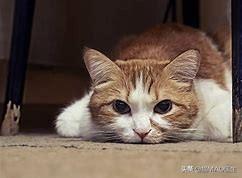
Cat's pain signs
It is highly likely that when caring for your cat, if you clearly know your cat's 'normal', these signs will be more obvious to you (even if they are subtle). This includes their normal attitude, energy level, gait, appetite, thirst, sleep pattern, and other physical and behavioral patterns. After all, if you don't know what's normal, it will be difficult to identify what's not normal.
Important note: When assessing your cat's potential pain, you or the person helping you may be bitten or scratched, so remember to be careful. Even if your cat doesn't usually bite or scratch you, just checking them for pain may make them feel something is wrong!
Bites and scratches:Cats are more likely to bite and scratch when in pain. And they aren't discriminatory, so even familiar people may have teeth or claws—or both! This is especially true when someone touches or moves the painful area, or when the cat anticipates that you will touch or move it.
Breathing changes:There may be a faster and shallower breathing pattern than normal. They may also pant. You may even notice changes in the muscle movements of the abdomen and chest, as these are related to breathing.
Heart and pulse changes:Cats with discomfort have an increased heart rate/pulse. When the painful area is touched or moved, the heart rate usually increases significantly. Participate in a pet first aid course, or ask your vet or the vet clinic nurse how to check and measure your cat's heart and/or pulse rate.
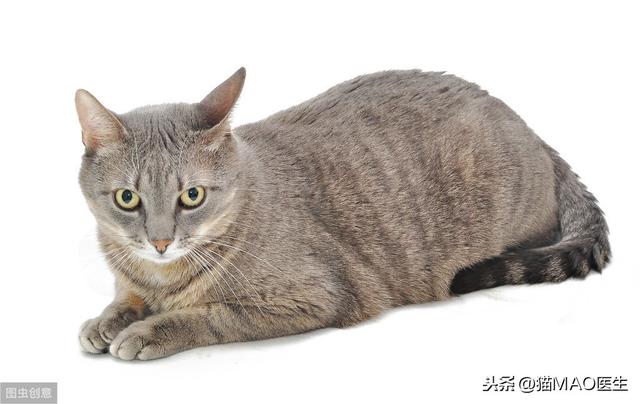
Cats purr:Cats purring doesn't necessarily mean they don't feel pain. If your cat is purring while showing other symptoms, this purring may be related to pain. In fact, cats feel pain when purring may increase.
Eye changes:Cats' eyes are very obvious when in pain, whether it's eye pain itself or pain in other parts of the body. Usually, pain in other parts of the body will cause the pupils to dilate, while eye pain will cause the pupils to dilate or shrink, depending on the underlying injury or disease process, and whether it's one eye or both.
Food and water changes:You may find they eat and drink less. When they eat and drink, if the cause of their pain is their teeth or other parts of their mouth, they may drop food and/or water from their mouths.
Grooming changes:You may notice that cats, when experiencing illness or injury, have a general reduction in grooming. However, an injured cat may overgroom this area.
Changes in energy levels:Most cats reduce activity when in pain. This usually leads to cats sleeping more, but it can also reduce the number of times cats run or jump. Many cats hide when in pain—choosing to hide under the bed, on the sofa, or in a cupboard. Be sure to check regularly for signs of hiding, as this is often a very obvious sign.
Changes in activity:When cats feel pain, they usually reduce their activity. However, depending on the severity of the pain, they may still move the same distance, just differently. They may limp or move slowly up and down the stairs, or they may not want (or be able to) jump as before. If you notice any changes in your cat's activity, and you think your cat may have arthritis (many cats have it!), you can start adding some joint activity and fish oil supplements to its food. These don't require a prescription and can help to reduce pain and inflammation related to arthritis, helping your cat feel better.
Changes in bowel habits:Whatever the reason, cats with back pain have difficulty standing when going to the toilet. Because of this struggle to go to the toilet, they may have constipation. However, this pain can also cause constipation because their intestinal flexibility is reduced. Cats with joint or bone pain may also have difficulty entering their kitten box, so they may start urinating or defecating outside the kitten box.
Changes in body outline:Swelling of your cat's legs, body, or face may indicate a painful condition, such as a cat bite or tooth root abscess, inflammation, cancer, or a mass pressing on important internal structures.
About cats' pain – five things to know:
Cats often hide their pain, so look for subtle signs.
Cats are more likely to bite when in pain, so be careful!
When your cat feels pain, its behavior, breathing, heart rate, and even its appearance can change.
If you suspect your cat is in pain, be sure to call your vet.
Unless your vet requires it, don't give cats pain medication.
The following conditions are often painful for cats
While fractures, open wounds, or surgery will obviously make your cat feel pain, this is not the only reason cats feel pain. There are many other common diseases that cats may not be aware of, so their vets may not treat them. Therefore, it is important to identify the underlying cause of the pain and treat it appropriately, and to prevent tragedy.

If your cat is diagnosed with any of the following symptoms, talk to your vet to ensure that any painful aspects are properly treated. In fact, if your cat is diagnosed with any disease, it's best to ask your vet if there's a pain component. If there is, ask about treatment options for pain.
- Cancer—especially bone cancer, oral squamous cell carcinoma, any type of cancer, enlargement of an enlarged organ (such as the kidney or spleen) and tumors, compression of important internal structures.
- Kidney stones or bladder stones.
- Bladder inflammation ('cystitis').
- Urinary obstruction.
- Ear infections—these are very painful for cats, especially if the infection has been ongoing for a long time and/or involves the middle or inner ear.
- Pancreatitis and/or gastritis and enteritis.
- Gastrointestinal obstruction, including linear foreign body obstruction.
- Arthritis—this can affect hips, elbows, or any other joint (note that cats are more likely to develop arthritis than people realize, which means many cats live with undiagnosed and untreated arthritis).
- Dental disease or tooth root fractures (often referred to as FORLs or 'neck disease').
- Nutritional tooth resorption (commonly known as FORLs or 'neck disease').
- Eye problems, such as glaucoma, uveitis, or corneal ulcers.
- Cat arterial thromboembolism.

If your cat is in pain, or if you think your cat is in pain, it is important to talk to your vet or see a vet.It is important to not only determine the underlying cause of the pain and treat it appropriately, but also to avoid tragic consequences.Many pet owners give cats pain medication without consulting their vets, unintentionally causing toxicity or further harm. This is a painful and heartbreaking experience that you don't want to bring to your cat and yourself!