Reasons and Solutions for Barren Eggs in Pigeon Breeding
During our pigeon breeding process, we often encounter a problem: after the pigeon eggs hatch and a period of incubation, no baby pigeons hatch. These unfertilized eggs are called ‘barren eggs’. A ‘barren egg’ simply means an egg that hasn’t been fertilized. Normally, when male sperm and female eggs combine to form a fertilized egg, the fertilized egg will hatch and develop into a baby pigeon. There are many reasons for barren eggs. Combining my experience, let me explain.
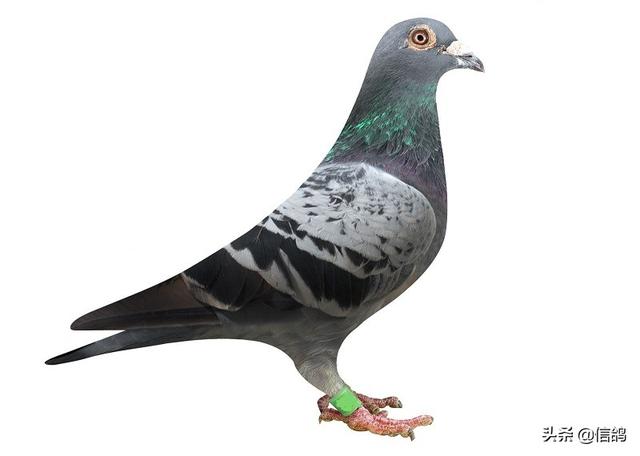
1, The male pigeon is too old.
If the male pigeon is too old, it’s very likely to cause barrenness, and it’s a headache for pigeon breeders. Especially male pigeons gifted or bought from other channels who are older, they often bring good bloodlines and outstanding achievements. In this case, we need to take care of them for a period of time, feed them vitamin supplements, and feed them Six-Ingredient Huang Lian Pills to help the male pigeon recover their physique quickly.
2, The impact of the living environment of the male pigeon.
If the pigeon house is crowded, and the male and female pigeons are disturbed by other pigeons during mating. Or, if the male pigeon breeding cage is too small, the pigeon will be affected by space during mating and produce barren eggs. We can try to create good space and breeding environment for pigeons according to the actual situation.
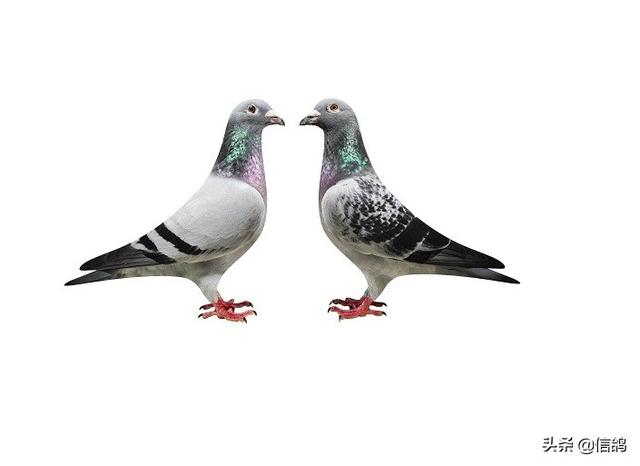
3, The influence of disease or injury of the male pigeon.
The male pigeon needs to be taken care of for a period of time, feeding nutritious and health supplements, bathing frequently, and feeding them with fine feed.
4, The male pigeon is too fat.
Most of our male pigeons are kept in the pigeon house for a winter, combined with the lack of home flying exercise, they are prone to obesity. If there are conditions, the pigeon house should give pigeons home flying time, feed them a balanced feed, and equip them with health supplements for feeding, this problem can generally be solved.
5, The male pigeon's anal membrane is too thick, affecting mating.