Snakes Don't Have Legs But Can Walk – You Won't Believe How They Do It!
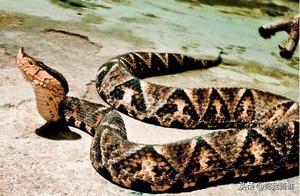
Snakes are a collective term for limbless reptiles belonging to the snake order of the reptile class. Like all reptiles, snakes are covered in scales, and all snakes are carnivorous animals. Currently, there are a total of 3,000 species of snakes worldwide. Do you know why snakes can walk without legs?

The most common way snakes move is by using their bodies in a serpentine manner, moving forward in an S-shaped fashion. Snakes use their bellies to create friction with the ground. If you observe a snake's movement under glass, you can see the movement and gliding of its belly scales. Their spines have nearly five hundred vertebrae, making them one of the most flexible animals in the world.

There is a theory that snakes evolved from animals with legs and feet, but because walking with legs was much slower than gliding, legs became cumbersome. According to this theory, snakes began to evolve around 167 million to 140 million years ago. By the late Jurassic or early Cretaceous period, they had already begun to flourish.

The direct reason for the shortening of the limbs is likely the change in lifestyle – early snakes were likely inclined to live in burrows, making the limbs a burden. The power of natural selection gradually screened out those with long limbs and their genes. Snakes, in order to survive, underwent long-term evolution, and their legs and feet have degraded and disappeared.
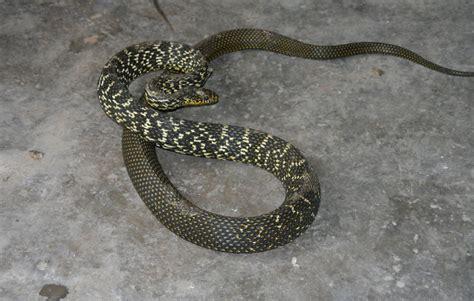
Fossil evidence also supports this theory. The ancient snake Najash rionegrina, discovered in Cretaceous strata around 90 million years ago, had at least two external hind limbs; and snakes from earlier Jurassic or early Cretaceous periods even had four small short legs, although they could no longer walk, these short legs should still be able to grasp things.