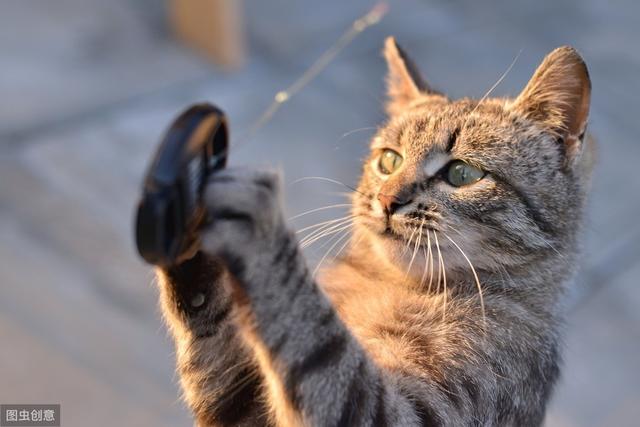
What is Play Therapy for Cats? How to Do It?
Cats hunting is 100% natural behavior.
They are carnivores, and they enjoy the thrill of the hunt.
Because you don't want mice, rodents, or birds running around in your house, you need a new companion that can simulate this favorite activity.
This is the basis of animal therapy.
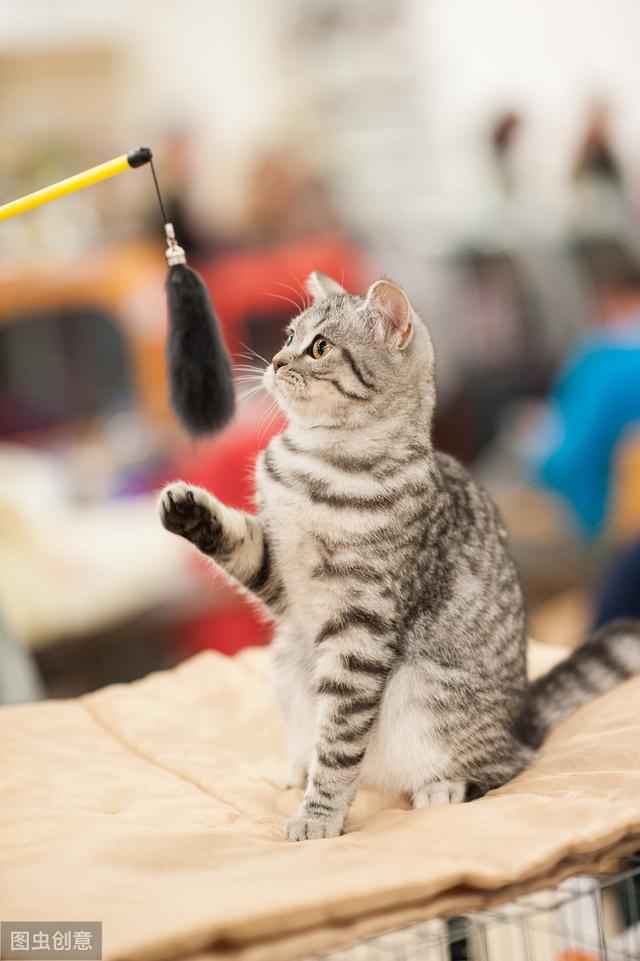
I. Playing with a cat with its paws is not suitable
Many kittens complain about their aggressiveness, biting, scratching, and other inappropriate behaviors, which can be traced back to their kittenhoods.
Cats like to lie there, waiting for human ankles to pass by them, and then pounce and chew when the time is right.
When your cat is 3 months old, with small teeth and ineffective teeth, it may be cute and interesting.
However, when a cat is 5 years old, when it bites you, it's not so fun anymore.
So, your role is to frequently play with your kitten to release its energy and enthusiasm.
But you shouldn't use your hands or feet to tempt it to play.
The best solution is to find a companion for your furry child.
It's ideal to adopt two kittens.
However, if you have a cat, and you think it's a good match for your new kitten, that's okay.

Kittens who grow up with their peers will socialize better, and there will be fewer behavioral problems.
But don't be careless,
Even if you've found a companion for your new cat, you should still play with them.
It can help them expend energy and strengthen your bond.Two to three times
Each time for at least 10-20 minutes
Is a more ideal option.Try to schedule these training sessions at the same time every day.Of course, you must use appropriate interactive toys, such as cat wands, which are more ideal than laser pointers.
II. Game arrangement
Arrange two to three interactive game times per day (if necessary, more times), during the cat's most chaotic times.
Remember, cats like routines, so try not to deviate from these times.
According to the cat's physical ability, each process may
Last 10-20 minutes.
AFishing rod type of toy
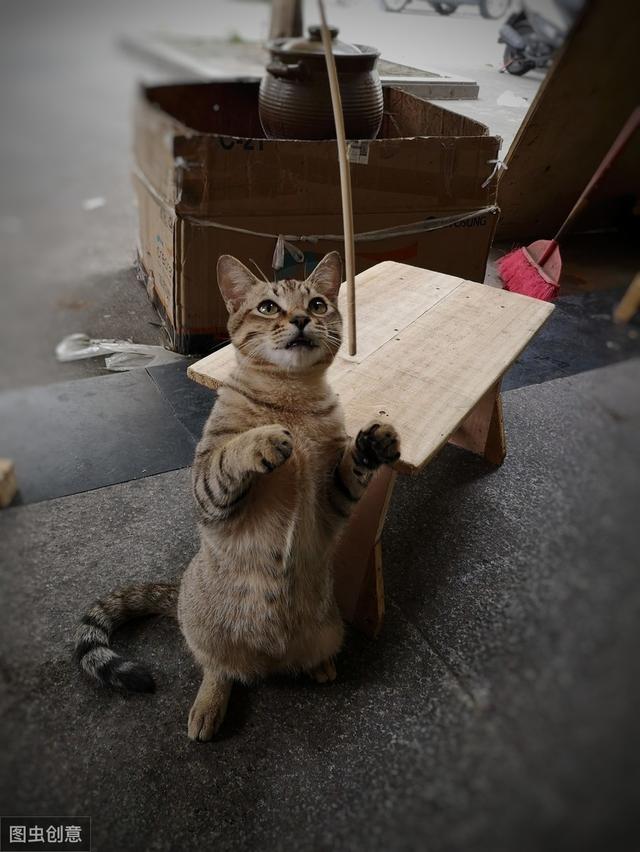
Allows the pet owner to remain stationary while controlling the cat's activity level and the arm movement.Playtime shouldn't stop until the cat is tired, lying on its side, batting the toy because it's too tired to catch the toy.In this process, let the toy move like prey—such as a small mouse or bird.
Don't show the cat toys in front of it, try to let the cat hide behind objects in the house, and occasionally jump up in the air.
By allowing a lot of 'capture' to build the cat's confidence and enthusiasm.
Fishing rod toys should be placed out of the reach of the cat, as cats may continue to search for them even when you leave the room for a long time.
As kittens grow, the hunting patterns of males and females will also change.
After female cats grow up, they may not appreciate the chaotic, pouncing and playful behavior of female cats.
Not accompanied by vocalizations—hissing and growling.

III. What to do when a cat is aggressive during play?
Punishing a cat may make it afraid of you or participate in more violent games.
If your cat becomes afraid of you, you may face a bigger problem—defensive attacks.
If the attack is predictable, such as spraying with a compressed air can, spraying with a water gun, or emitting noise from a small alarm or rattle, it can prevent the behavior from happening.
Timing is everything. If you 'fire' a second or two after the event, the deterrent will not be associated with the cat's attack in its brain, and there will be no training, even though the cat may be afraid and confused.
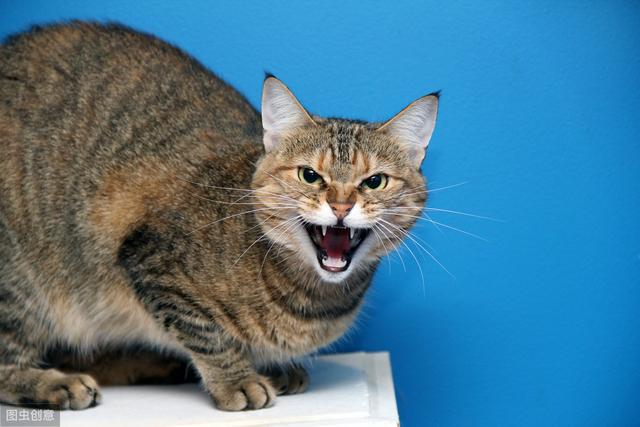
Maybe when facing an aggressive cat, the best deterrent is to always be there—a person's voice. A loud and sharp name shouted, followed by a sharp 'no', can be effective for some cats.
Next, in
In the next 10 minutes, avoid the cat
Don't scold or reprimand the cat, don't pick it up and put it in a separate room.IV. How to do animal therapy?
Although cats are easier to care for than dogs, cats do need (and benefit from) your attention.
By taking a few simple steps, you can ensure that your cat lives a happier life.
First, if you have a kitten, make sure it has a feline companion to play with.
Cats are the best companions for each other, and they will be more likely to stay out of trouble if they have someone to wrestle and play with.
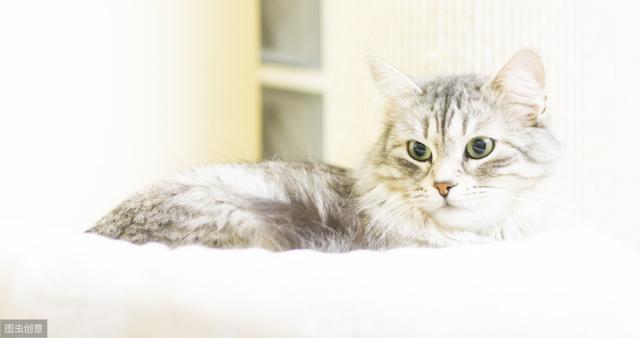
Secondly, don't entice the cat or kitten to play with your fingers, hands, or feet.
When they are babies, it may be fun and cute, but when they are adults with sharp teeth and strong jaws, it's not so fun.
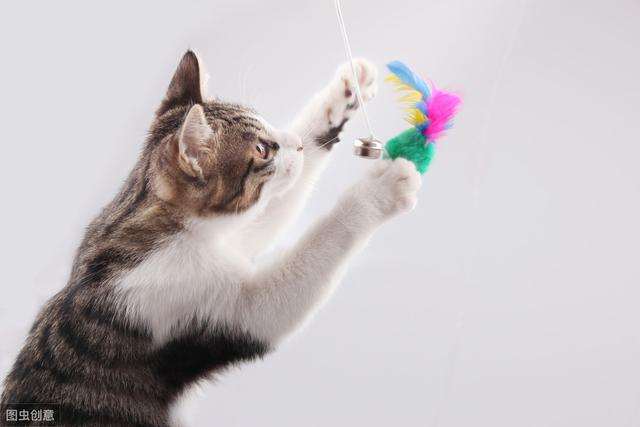
Next, try to use interactive toys: laser pointers, fishing rod-style toys, and things, the worst thing is that your cat associates your hands and feet with playtime.
Some people ask about laser pointers and bubbles?
Laser pointers and bubbles are fun, but they can also frustrate cats because they never get to 'capture' anything.
At the end of playtime, let the laser 'fly away' on the wall, and the cat chasing it will be a little discouraged.
Finally, let your cat participate in real interactive games:

Cats like to hide and track their prey.
They are likely to dodge the toy and observe it for a long time, and then pounce and chew.
Be patient.
Don't just put the toy in front of the cat.
Don't hit it!
To challenge the cat, try to simulate prey and help it enjoy the hunt.
Use ways to move the toy like a mouse or bird.
Allow your cat to occasionally capture prey.
If the toy is always escaping, it may become frustrated.
Before starting again, let it enjoy this moment.
Imagine playtime as a workout—warm up slowly, do a high-intensity workout, and then do a cooling-down period.
If you enrage it, and then leave to eat, it will be dissatisfied.
To calm it down, let the toy move slowly, as if it's injured, so that it can finally catch it once.
At the end of each game, reward it with a meal or snack.
Make playtime a daily thing.
Cats have very regular orientation to their biological clock, expecting you to play with them, and staying or hindering your work.
Play is a good way to establish a bond with your cat, with a goal of two 15-minute sessions per day.
Remember, kittens may need more playtime, otherwise they will run wildly or destroy furniture.
What to pay attention to when there are multiple cats?
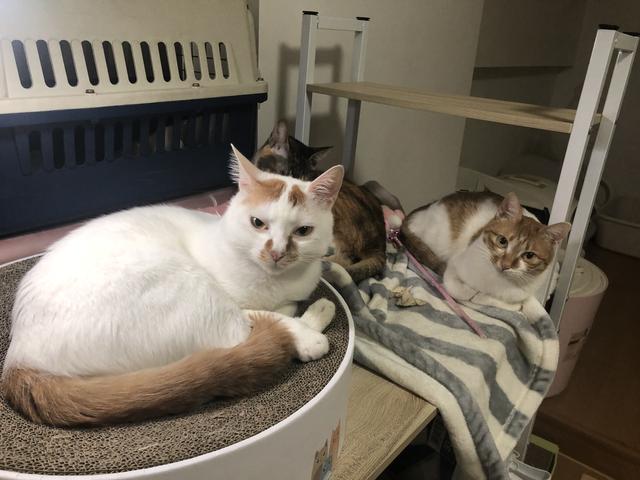
If your cat doesn't get along with other cats, you may need to play with them separately.
You may need more than one toy for each cat.
Make sure each cat can capture prey.
Don't forget catnip!
Limit the use of catnip to once a week, otherwise it will lose its effect.
That's all for today~~~
I am Miao Miao, a homeowner with ten cats. This work is original by Animal Therapy Group leader, and has been invited
Legal Rights Knight
Legal Rights, if you want to reprint, please contact me.
~~~