How to Deal with Fish Waste and Food Residue at the Bottom of the Fish Tank? Find 3 Reasons and 3 Solutions
At the bottom of the fish tank, especially fish tanks with substrate, there is often a lot of fish excrement and other debris accumulated. Even though the power of the pump matches the size of the fish tank, it still cannot remove all these dirt and grime? It's not the pump's power that's too small. It's not the case. The standard pump power can circulate the water in the fish tank ten times within an hour, but this doesn't mean that the debris in every corner of the fish tank can be sucked away by the pump. This is unrealistic. The bottom of the fish tank accumulates debris, the pump is not to blame, mainly because of the following three points.
One, the water current created by the fish is small
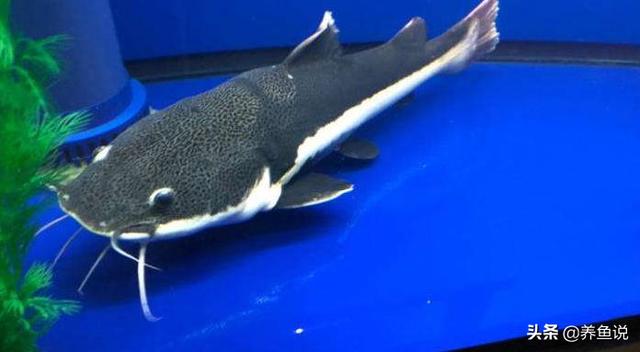
In theory, if the fish in the fish tank are constantly flipping and splashing, the water current they create can bring the debris to the pump side and then be sucked away for filtration. However, if you raise some very lazy fish, or fish that move slowly, the water current created by these fish is small, and the debris cannot be sucked away by the pump.
Two, the outlet of the filter is installed improperly
When filtering, the pump pumps water into the filter, after a series of filtration, and then returns to the fish tank from the outlet. If the outlet position is not appropriate, if it sprays water against the tank wall, it will not generate much water flow. Without water flow, it's difficult to suck away a large amount of debris.
Three, the gaps in the substrate are too large
If you use creek sand or irregular-shaped substrate, the sand will easily form uneven gaps during landscaping. These gaps are very easy to hide debris and have a large capacity. Or, if your substrate is too rough, debris will easily stick to it or get stuck, and it cannot float away.
These three reasons are the main causes of the accumulation of debris. If you ignore them, the accumulated fish excrement, food, and rot will produce a large amount of harmful substances, leading to an excess of nitrates, and fish are very likely to die suddenly, and you will not know the cause. So how can we make the debris deposited on the bottom of the fish tank be filtered and sucked away? The only thing we can do is to take some auxiliary filtration measures
1, add a wave maker
Wave makers are water equipment that can create water flow and are commonly used to simulate a natural stream environment. However, wave makers also have an unknown function: 'blowing' debris. Install the wave maker to create water flow in the dead corner of the bottom of the fish tank, and the debris will be blown away. Most of the blown debris has a 90% chance of being absorbed by the filter. However, you must be careful not to blow away the substrate, otherwise it may clog the pump. This method is not suitable for all fish, but suitable for some large fish.
2, put some active creatures
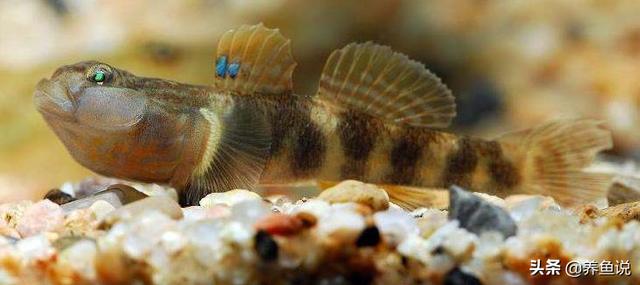
Putting some creatures like algae snails and firefish, which are very active and fast, can greatly create water flow to wash away debris. Or put some burrowing creatures to activate the substrate. However, this method is not suitable for creating messy landscapes, it is suitable for bare tanks or stable landscapes.
3, modify the position of the outlet
If your outlet is directly spraying against the tank wall, you can try to let it blow into other dead corners of the fish tank, modify the outlet, and achieve a very good effect.
This is Fish Talk. If you also like to raise ornamental fish, please follow us.