Ba Gong's House Commonly Known as the Russian Twisted Head
I am a retired elderly person who enjoys traveling independently to unfamiliar cities in my spare time, exploring the human cultural imprints by wandering through streets and alleys, approaching those fading human histories, and appreciating texts with warmth. I don't care whether it's worth it, I just want to not miss anything. Having spent four years visiting 85 cities, covering a journey of 67,550 kilometers across 15 provinces and municipalities, I've recorded 2,052 human-interest sites. Those shining imprints are like a marching horn urging me forward.
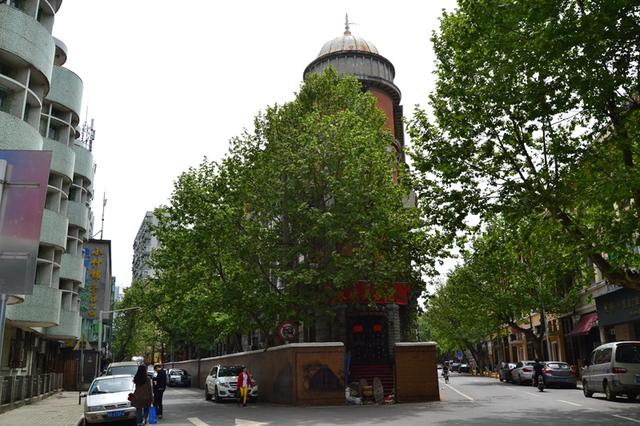
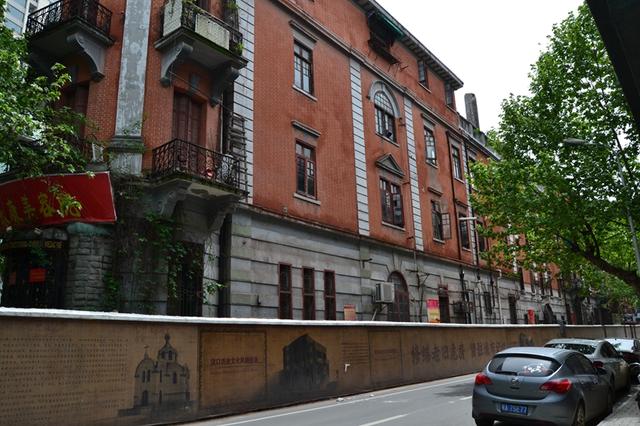
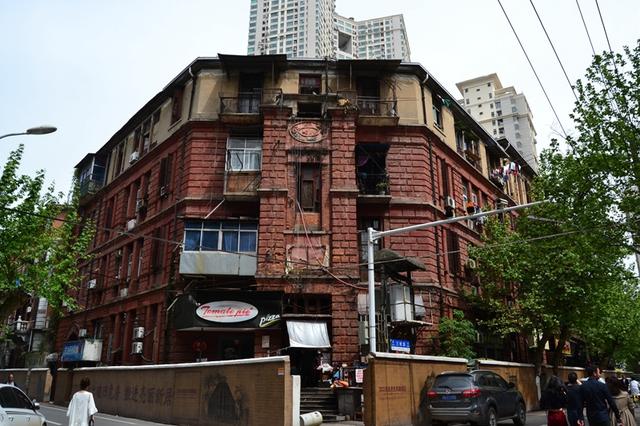
Located at the intersection of Erwei Street and Saniao Street (now Poyang Street) between Liu Huangpi Road and Lanling Road, it's a triangular house built in 1901. It's known as Ba Gong House. After its construction, Ba Gong House became a landmark building in this area, representing the Russian concession.
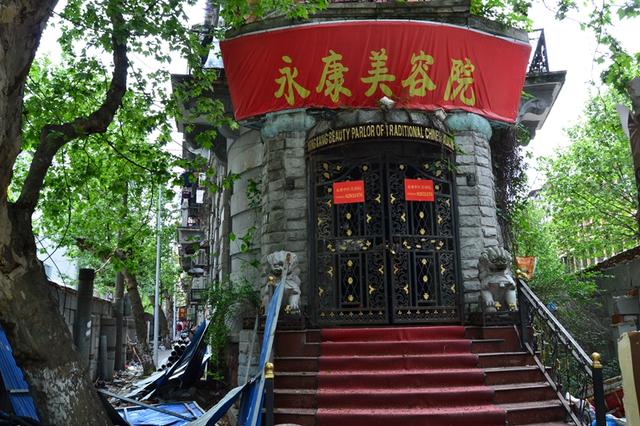
The owner of Ba Gong House was a relative of Tsar Nicholas I of Russia, 'Great Ba Gong' J.K. Banov and 'Little Ba Gong' Zino Banov brothers. 'Great Ba Gong' was a Russian aristocrat, a relative of the Tsar. In 1896, when the Russian concession was established, Banov was elected as the permanent director of the Russian Concession Municipal Council (also known as the Board).
'Great Ba Gong' was a well-known 'China expert' who could communicate fluently with people in the Chinese Quarter. While handling Chinese-Russian tea trade with comprador agents, he also introduced Russian engineering personnel from Northeast China to work in Hubei.
At that time, Hubei produced tens of thousands of brick tea boxes annually, shipped to Siberia, Xinjiang, Mongolia, and European Russia, as well as China. This formed a huge marketing network. To facilitate water transport, a wharf and warehouse and river were built at the Chinese Quarter's 19th dock (now Hankou Dock 19).
In 1917, the October Revolution occurred in Russia, and Chinese-Russian tea trade was suppressed and declined. Shun Feng and Hubei Brick Tea Factory closed down first, and New Tai Tea Factory struggled to survive for a few years and closed in 1932, then leased to British merchants and renamed Pacific Brick Tea.
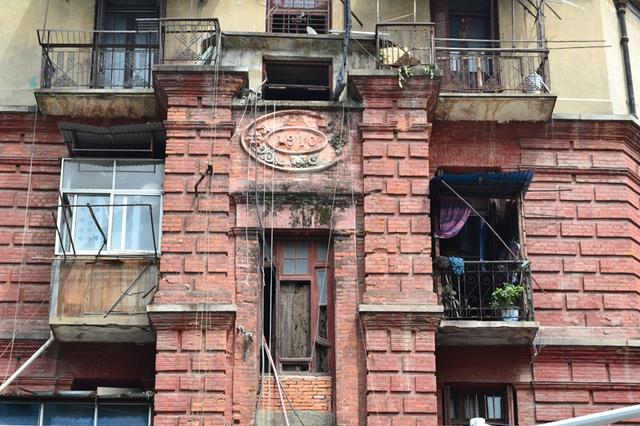
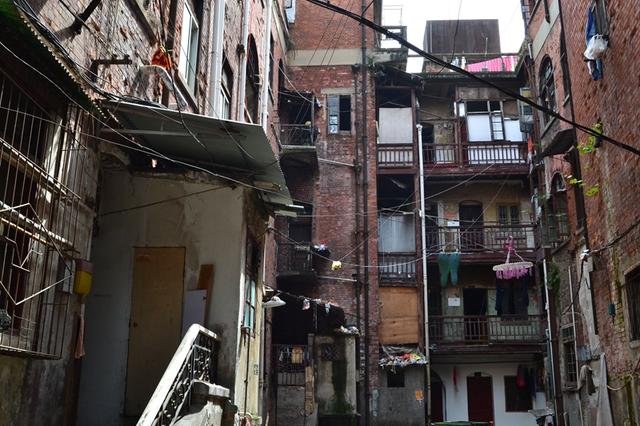
Looking at the dilapidated house, it was one of the earliest multi-story apartments in Wuhan and had a significant influence on modern Chinese architecture. It was the largest apartment building in Hankou at that time. It is a building with a distinctive Russian style, especially the entire building is triangular, with the top floor being a monk's hat-shaped hall, commonly known as 'Russian Twisted Head'.