Dalian Anbo Tourism Resort
Dalian Anbo Tourism Resort is composed of five towns: Anbo, Yidi, Shuangta, Lejia and Xintai, all located in the northern part of the Pulan District. It covers a total area of 940 square kilometers with a planned area of 115.11 square kilometers, a core area of 18.8 square kilometers. Within the core area, the Anbo Hot Spring Resort area is planned with an area of 15 square kilometers, and the Jiantang Hot Spring Resort area is planned with an area of 3.8 square kilometers. The resort has Anbo Hot Spring and Jiantang Hot Spring, with over 70 hotels, resorts, guesthouses and farm stays offering more than 10,000 beds. It also includes the Dalian Anbo Hot Spring Ski Resort, the Hongyuan Art Exhibition Center, a golf driving range, a basketball court, a tennis court, the Ji Guan Mountain National Forest Park, a thousand-year-old Ginkgo tree, the Seven-Room Water Reservoir, the Dao Shi Gou Forest Farm, the Biliu River Reservoir, the Erlong Mountain Repentance Temple, the Jade Emperor Temple, the Ma Shan Tourism Scenic Area, the Pu Ming Zen Temple, the Lejia Manchu Style Street, the Wei Ba Shan City, the Shuangta.
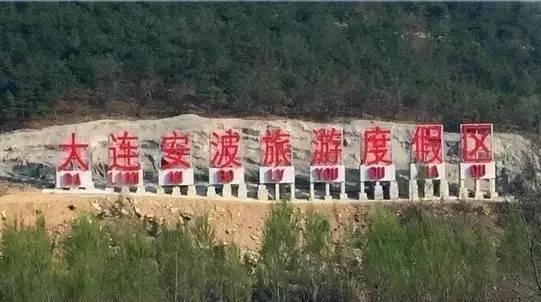
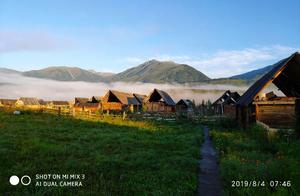
Dalian Anbo Tourism Resort is located amidst mountains, 75 kilometers from the Pulan District and 150 kilometers from Dalian. Its advantageous geographical location separates it from the main city, creating a relatively secluded paradise and providing ideal conditions for the development of hot spring tourism. The resort’s fresh air, quiet forests, fragrant corridors, hot springs, hospitable people, all welcome visitors.
The resort’s hot spring water is colorless and transparent, with a daily yield of 8,000 tons, and a maximum water temperature of 73°C, with a slight sulfurous hydrogen taste, and belongs to the heavy carbonate, sulfate, sodium type. It contains 20 kinds of minerals and trace elements beneficial to the human body, which have special effects on the treatment of nervous system diseases, motor organ diseases, circulatory system diseases and skin diseases, hence it is called “Divine Water”. In 1984, after identification by the National Geological Department and the United Nations Geothermal Expert Dr. Fritzson, Anbo Hot Spring was hailed as “the best in Asia”. In 2010, Anbo Hot Spring was listed as one of “China’s Top 10 Hot Springs” and is the only hot spring in Liaoning Province to be honored with this title. In April 2014, Dalian Anbo Tourism Resort was upgraded to a National Level AAAAA Tourist Scenic Area.
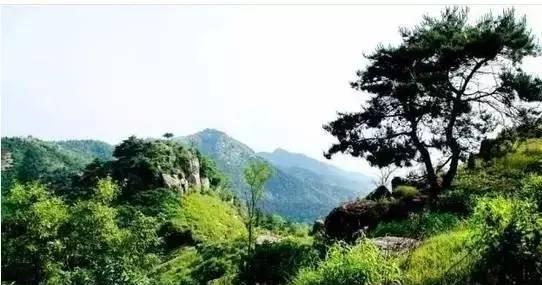
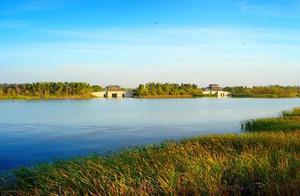
Besides the renowned hot springs, the Ji Guan Mountain Scenic Area, the Ji Guan Mountain National Forest Park, the vast Seven-Room Water Reservoir, the Lejia Manchu Style Street, the Lejia Horse Racing Track, the Canghai Tang (Great Puddles) Great Stone Pit Ancient Human Remains Site, the dawn and dusk of the Pu Ming Zen Temple, the Erlong Mountain Repentance Temple and the Dao Shi Gou Forest Farm, thousand-year-old Ginkgo tree and Jade Emperor Temple, all showcase the unique charm of the Anbo Resort, providing abundant resources for the resort to become a comprehensive tourist resort with hot spring tourism as its main feature.
In recent years, with the overall objective of “building a tourist resort, sports and health, ecological and livable northern hot spring town”, the tourism industry of the resort has undergone rapid development, forming a cumulative effect, and the supporting role of the industry is increasingly prominent. Beijing University’s Bo Ya Design Institute was commissioned to conduct detailed planning and design of the 18.8 square kilometer Anbo and Jiantang Hot Spring Resort areas, thus determining the starting area of the resort. On April 17, 2010, Dalian Anbo Tourism Resort was included in the Coastal Economic Zone of Liaoning Province as a key supporting area, becoming one of the 19 key parks in Dalian City and one of the 42 key parks supported by the Liaoning Coastal Economic Zone.
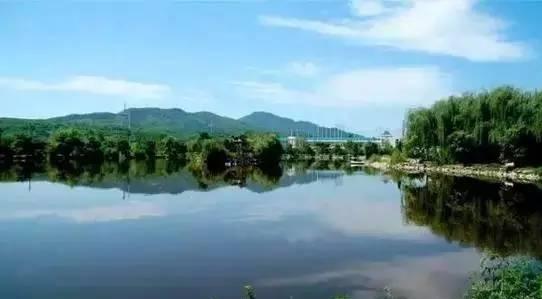
Dalian Anbo Tourism Resort will continue to implement the overall requirements of Liaoning Province to build the first hot spring province in China, Dalian City's urbanization and Pulan District's key development of Anbo area, focusing on the “two zones and two axes and two belts” construction, to achieve a major leap in economic development, a major adjustment in industrial structure, a major change in ecological environment, major investment in urban and rural infrastructure, and a major improvement in people’s living standards, highlighting hot spring tourism, enterprise development and high-end, further creating “tourism resort, sports and health, ecological and livable” China’s northern hot spring town.

Dalian Anbo Tourist Center Introduction
Dalian Anbo Tourist Reception Center covers a total area of 4500 square meters, including 850 square meters for the tourist center; 126 square meters for star-rated public toilets; 3500 square meters for ecological parking lot, footstep trail and gathering square; The center has 10 functional service areas (free).
1, Reception area: convenience service; consultation; storage; publicity; security.
2, Business area: typing, photocopying, internet access, fax.
3, Rest area: viewing; leisure.
4, Medical room: diagnosis; emergency; rescue; health knowledge publicity.
5, Infant room: rest; entertainment; health knowledge publicity.
6, Office: center office.
7, Shopping area: Dalian Anbo Tourism Resort souvenir, local specialties, cold drinks and food.
8, Exhibition and publicity: Anbo Tourism Resort landscape display; LED large screen.
9, Cinema: Anbo Tourism Resort scenic views.
10, VIP room: VIP reception; regular visitor opinion solicitation