What was the emperor's room like in the Forbidden City? There were actually 27 beds – Forbidden City Tour (Part 4)
The Forbidden City, whether as a famous tourist attraction or a world cultural heritage site, enjoys a high level of recognition both domestically and internationally. It has been listed in the 'World Heritage List' since 1987. For the vast Forbidden City, everyone is curious about the style of the palace where the emperor lived. Is it luxurious and extravagant? Before, Ms. Xiao guided us to visit the first three halls of the Forbidden City, today let's take a look at 'the Imperial Concubine's residence'.
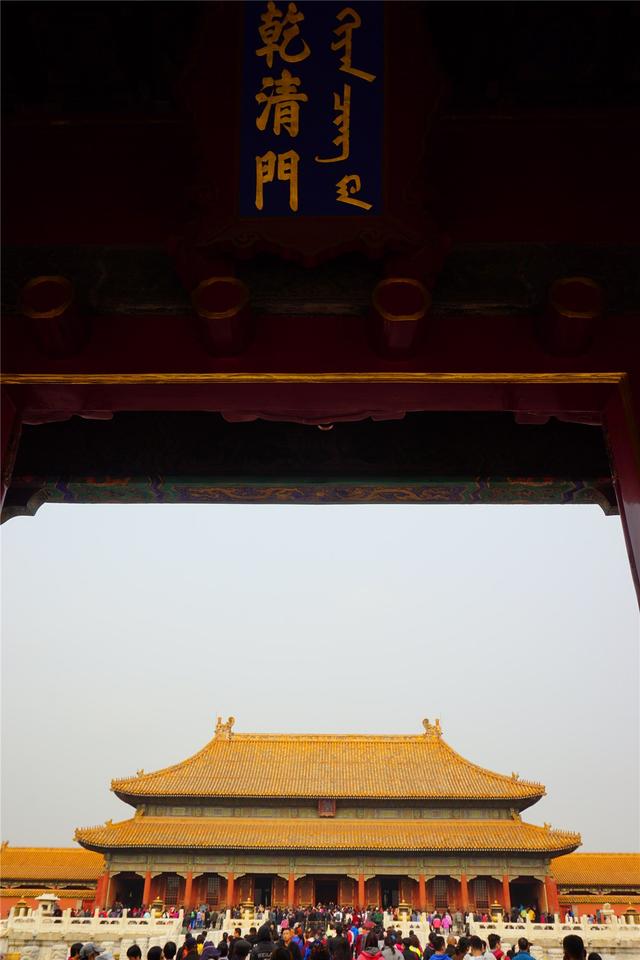
Stepping through the Qianqing Gate, we officially entered the emperor's inner court. Because the emperor and his empress and concubines all lived in this area, the gilded bronze lions in front of the Qianqing Gate and the lion in front of the Wuta Gate were somewhat different, and the ears of these two lions were drooping, which was to warn the imperial concubines not to gossip about matters of state in the outer court.
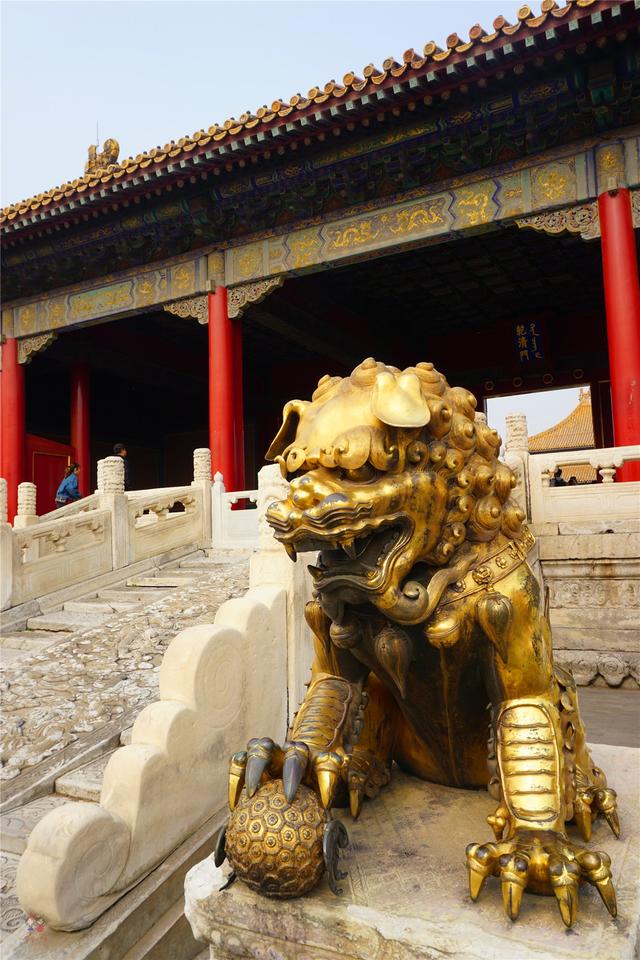
The Qianqing Gate is a relatively small courtyard, with some long corridor-style buildings on both sides. It is not surprising that Kangxi, the emperor, once held a secret meeting with in the south-facing study on the west side. At that time, Kangxi was only 16 years old.
From the Qianqing Gate, a high platform leads to the Qianqing Hall, which is the first of the 'Three Palaces' in the Forbidden City. From the Ming Dynasty when it was built to the early Qing Dynasty, it has always been the emperor's main hall. As the residence of the emperor, ancient people believed that it corresponded to the ‘Emperor’s Heavenly Body’ constellation in the center of the sky, so the stone carvings on the front of the Danxieshan platform were a (a dragon rising from the clouds).
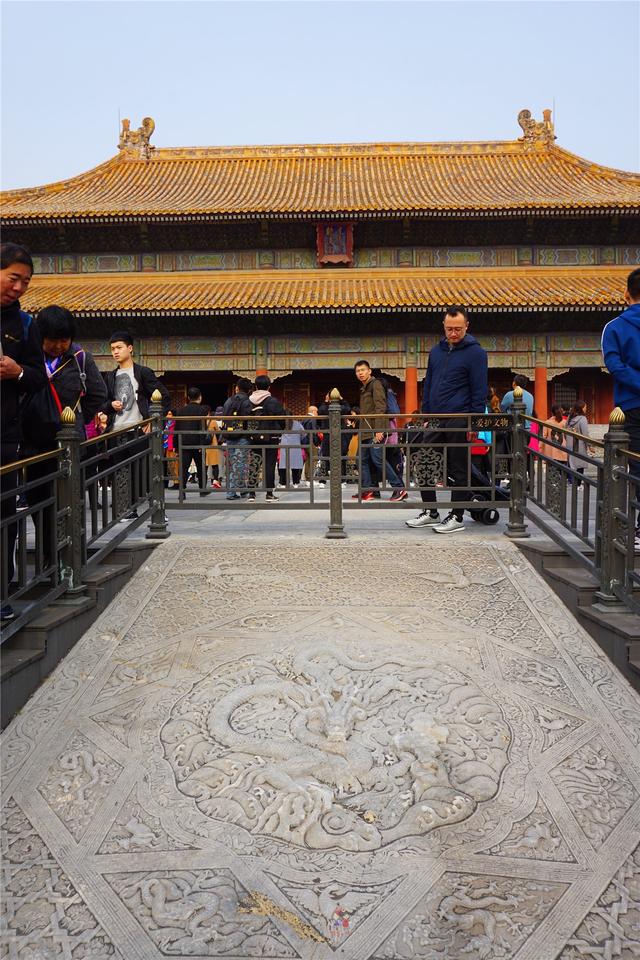
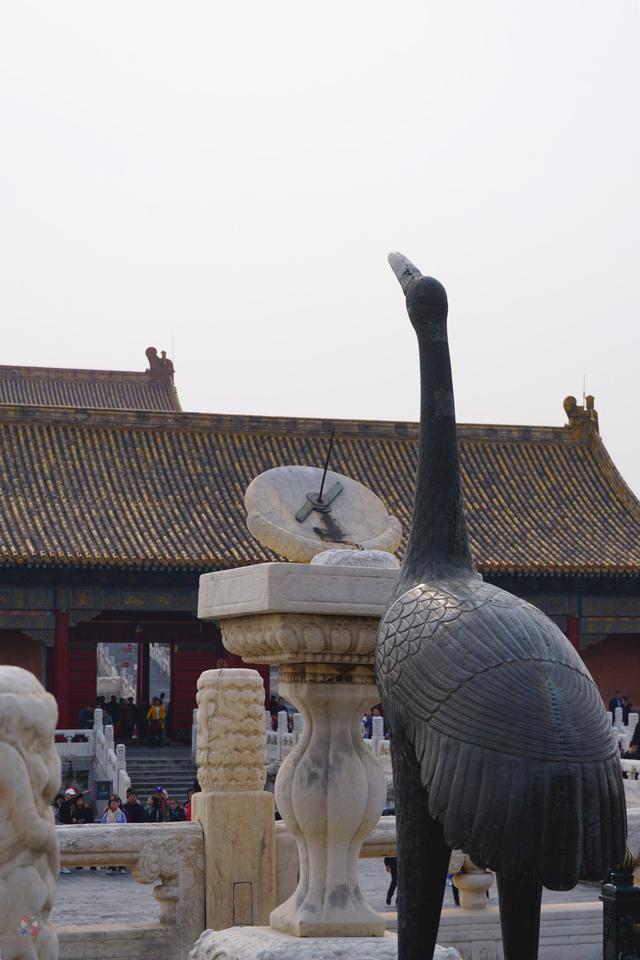
The style and structure of the Qianqing Hall are similar to those of the Wuta Hall, but because it is an inner court, its shape is slightly smaller. However, like the Wuta Hall, it also has bronze turtles, bronze cranes, sundials, and measuring instruments.
On the throne in the Qianqing Hall, the inscription ‘Great Purity’ was very prominent, which was copied by Kangxi Emperor from the brushwork of the Shunzhi Emperor. The four characters came from the ‘Reply to Mr. Zhou, a Scholar of the State’ of the Song Dynasty great scholar, Zhu Xi. It reads: ‘If someone like Mr. Fan has a heart, then his ‘Great Purity’ will not harbor any grudges, but the concept of ‘not accepting’ is truly the most important thing for the state.’ This plaque is one of the most famous in the Forbidden City, because it determined the fate of the four emperors of the Qing Dynasty.
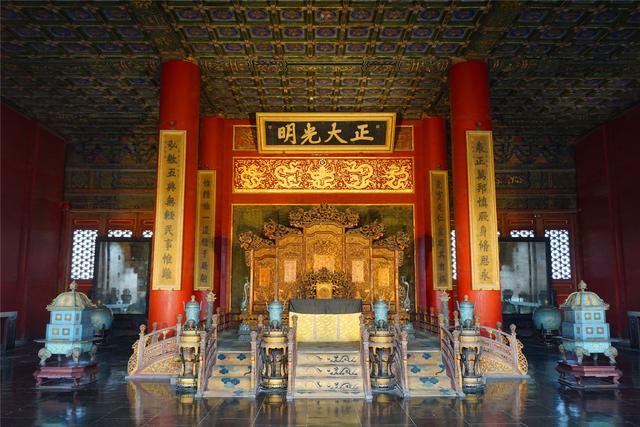
Before Yongzheng, all dynasties in China had traditionally adopted the practice of appointing the eldest son as heir. However, emperors usually had many sons, and many princes dreamed of becoming emperor. Sometimes the ability of the eldest son was not outstanding, so there were often disputes between brothers. The ‘Battle of the Succession’ during Kangxi’s reign was particularly fierce, so after Yongzheng ascended the throne, he changed the method of appointing the heir, establishing a secret succession system, where the emperor would not announce the appointment of the heir during his reign, but would secretly write the name of his designated successor on two scrolls, one carried by the emperor himself, and the other sealed in a small box and kept hidden.
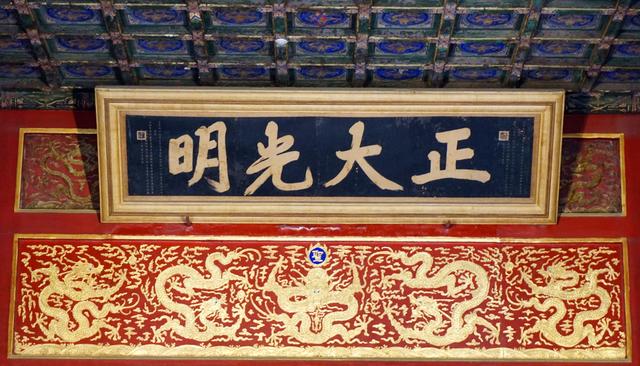
When Yongzheng died, the ‘Treasure Box’ was taken out for the first time from behind the inscription ‘Great Purity.’ Qianlong was the first emperor to inherit the throne in this way, and after him, his descendants, Jiaqing, Daoguang, and Xianfeng, were three emperors. Later, when Xianfeng had two sons, but the younger one died young. And after Xianfeng, there were no successors, so this secret succession system gradually lost its meaning and was abolished.
Starting from Yongzheng, all the seven emperors of the Qing Dynasty lived in the Yonghe Palace. The Qianqing Hall became the place where the emperor summoned ministers, reviewed documents, handled daily affairs, received foreign envoys, and held celebrations for holidays and the emperor's birthday. Starting on the twenty-fourth day of the twelfth lunar month (December 24th), the Qianqing Hall began to create a festive atmosphere, with golden lanterns installed on the Danxieshan platform, which were lit every night.
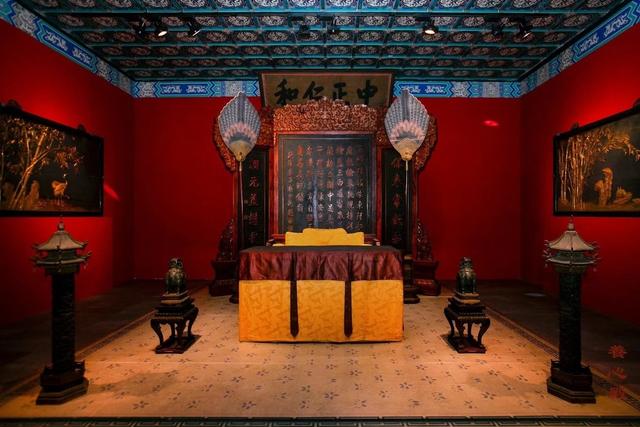
On New Year’s Eve, at 6 pm, the emperor and his empress and concubines would have a reunion dinner in the Qianqing Hall and watch performances. This reunion dinner was not like the reunion dinner at home, because this grand banquet was only for men, and his sons were not allowed to participate, and male members of the imperial family were not allowed to attend.
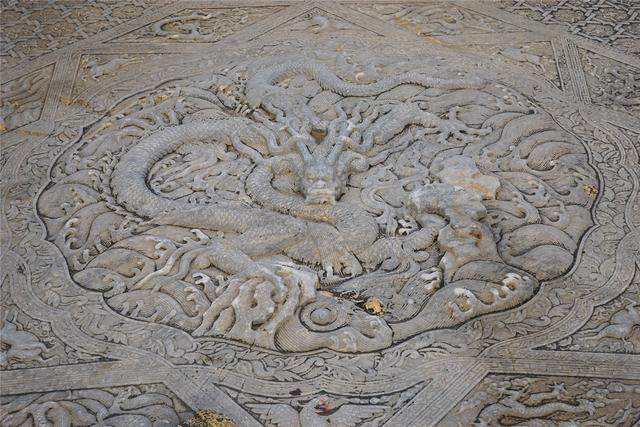
In addition to the above, the Qianqing Hall also hosted two grand feasts of one thousand guests, one on the sixty-first year of Kangxi (1722) when he celebrated his birthday, and the other on the fiftieth anniversary of Qianlong’s accession to the throne (1785). All officials, officers, soldiers, commoners, craftsmen, and artisans over the age of sixty-five came to the Qianqing Hall to attend these grand feasts.
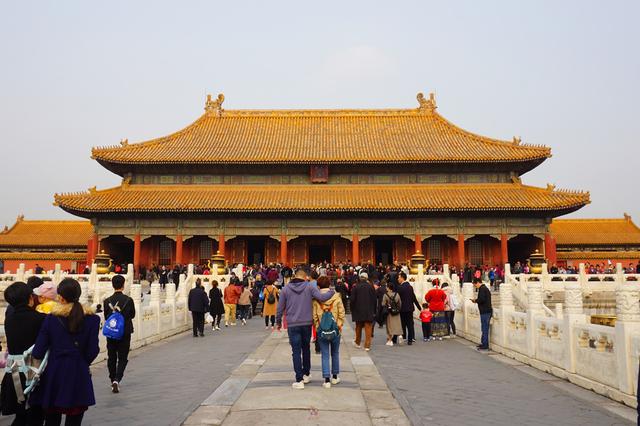
We can see the Qianqing Hall as it is now, which has been rebuilt by the Qing Dynasty, because the wooden halls of the Forbidden City were always on fire. The Ming Dynasty's layout and appearance are somewhat different from this. It is said that in the Ming Dynasty, the pillars behind the columns of the Qianqing Hall had nine-room warm pavilions, and during the reign of the Jiajing Emperor, there were three dragon beds in each warm pavilion, so there were a total of 27 beds in the Qianqing Hall, and this was done to protect themselves from being harmed by people.
During the Jiajing Emperor’s reign, he was obsessed with alchemy and often harmed palace maids. Sixteen palace maids conspired to assassinate Jiajing on a dark and windy night with ropes, but someone informed the empress, and the plan failed. The following Chongzhen Emperor was even more extreme, and he insisted on sleeping on a wooden platform that was one meter high, and he had to climb the ladder every night. This way, he would no longer worry about 'always having someone want to harm him'.
The next section will take us to see where the Empress lived. To learn more about the Forbidden City, you can click:
The largest rest room in the world and the origin of 'one acre three feet'
The largest banquet hall in the Forbidden City, where the champion was also the exam site
“”