Finally Understand: The Differences and Uses of Edible Alkali, Baking Soda, Yeast Powder, and Baking Powder – Saved!
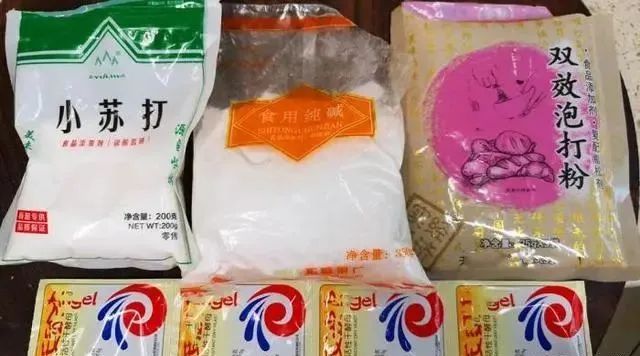
Understanding the differences and uses of edible alkali, baking soda, yeast powder, and baking powder – it's a great learning experience!Today, Chef will share with everyone the uses and differences of these ingredients. If you enjoy making noodles or some small cakes, you can learn from this share and make more delicious and tasty foods.
Edible alkali: Hot, bitter, a food tenderizer and meat tenderizer. It is not a commonly used seasoning. When used appropriately, it can help food bring color, fragrance, taste, and shape, making food more appetizing.
Edible alkali is mainly used in food processing, such as when making hand-pulled noodles, bread, and steamed buns, you can add a suitable amount of edible alkali; and when making corn porridge, adding a suitable amount of alkali can make the corn porridge more fragrant. Especially when making old-face steamed buns, it is necessary to add a certain amount of edible alkali to remove the sour taste produced by the fermentation of the dough, but not too much, otherwise the steamed buns will turn yellow and crack, and the taste will become bitter.
Baking Soda: Also known as sodium bicarbonate, salty, and easily soluble in water. It decomposes easily upon heating. Many steamed bun shops and breakfast shops often use baking soda powder mixed with water and added to the dough when making a large batch of steamed buns or fritters. This can make the finished noodles more fluffy. However, when making steamed buns, if you add too much baking soda, although the steamed buns look fluffy, the taste will be strange and you can taste the additive flavor. Baking soda and edible alkali cannot be used in excess, especially for patients with gastric ulcers, they need to be cautious.
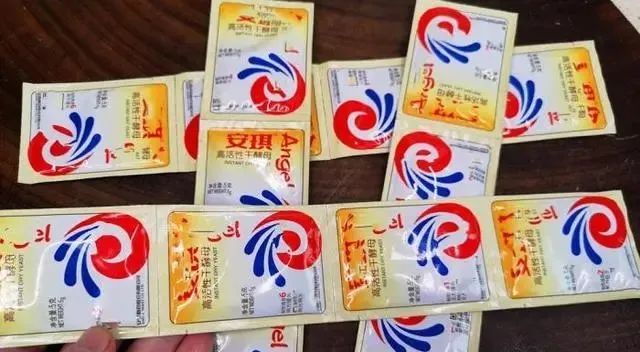
Finally, I know the differences and uses of edible alkali, baking soda, yeast powder, and baking powder – and I've saved this!
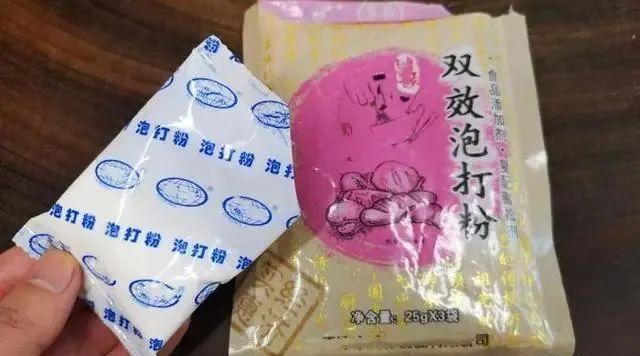
That's all for sharing the differences and uses of edible alkali, baking soda, yeast powder, and baking powder. Do you know their uses and differences? If you like Chef's sharing, please forward and collect it. Please like and support once!
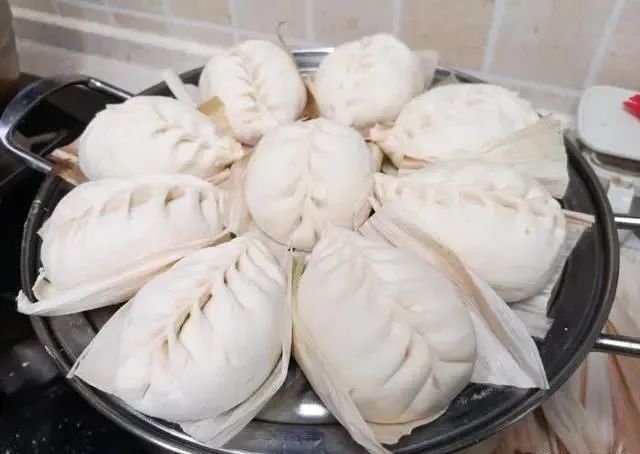
Your every like is Chef's motivation to continue working hard. Thank you for your support and company!+