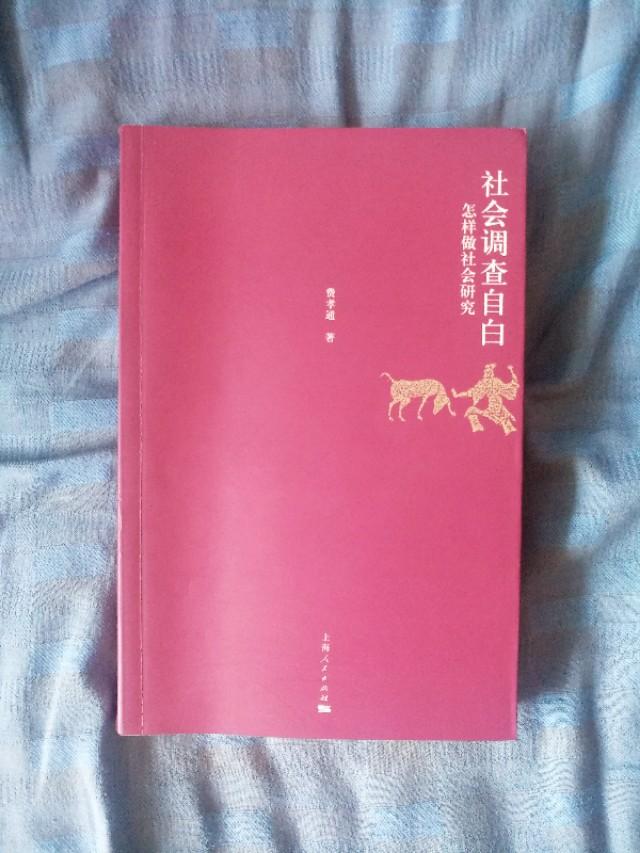
Fei Xutong's 'Confessions of Social Investigation'
This essentially means that if we want to investigate him, he will first 'investigate' us, and then decide whether to allow us to investigate him. This reciprocal investigative process is delicate; if the person being investigated perceives your investigative attitude as insincere or if your investigation threatens their social life, they will avoid you and refuse to tell the truth.
Your identity and your actions will, to a certain extent, alter the reality of things.
Uninformed criticism is a misunderstanding.
Criticism often stems from misunderstanding; if you understand the context in which things exist, you can only appreciate their subtle combination.
The 'secrets' and 'lies' of the person being investigated are, in fact, a reflection of the investigator's own 'secrets' and 'lies.' People are like mirrors; your attitude towards others is reflected back onto you.
A researcher should learn from another person's narrative, recognizing that they lack direct observation opportunities. Therefore, they are positioned in a state of 'ignorance,' while being questioned, the person being questioned is in a 'knowledgeable' position. The former should approach the latter with respect and a cautious, waiting attitude, which will naturally earn the latter's respect and friendship, encouraging them to assist you.