Understand the Details of Butterfly Leg Exercises to Become More Professional
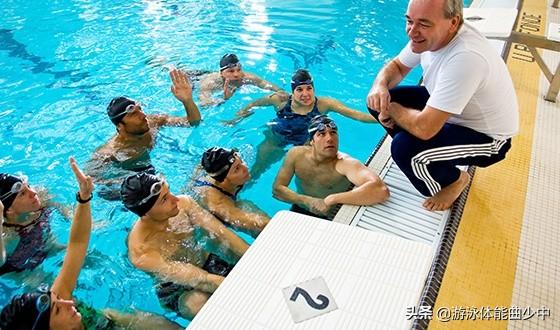
It is very important to discuss techniques with the coach.
When we communicate with many friends about butterfly technique movements, we analyze the current problems and trace them back to the basics. In most major problem conclusions, an important point is that the foundation is not solid, and we have established incorrect action concepts and bodily sensations when learning.
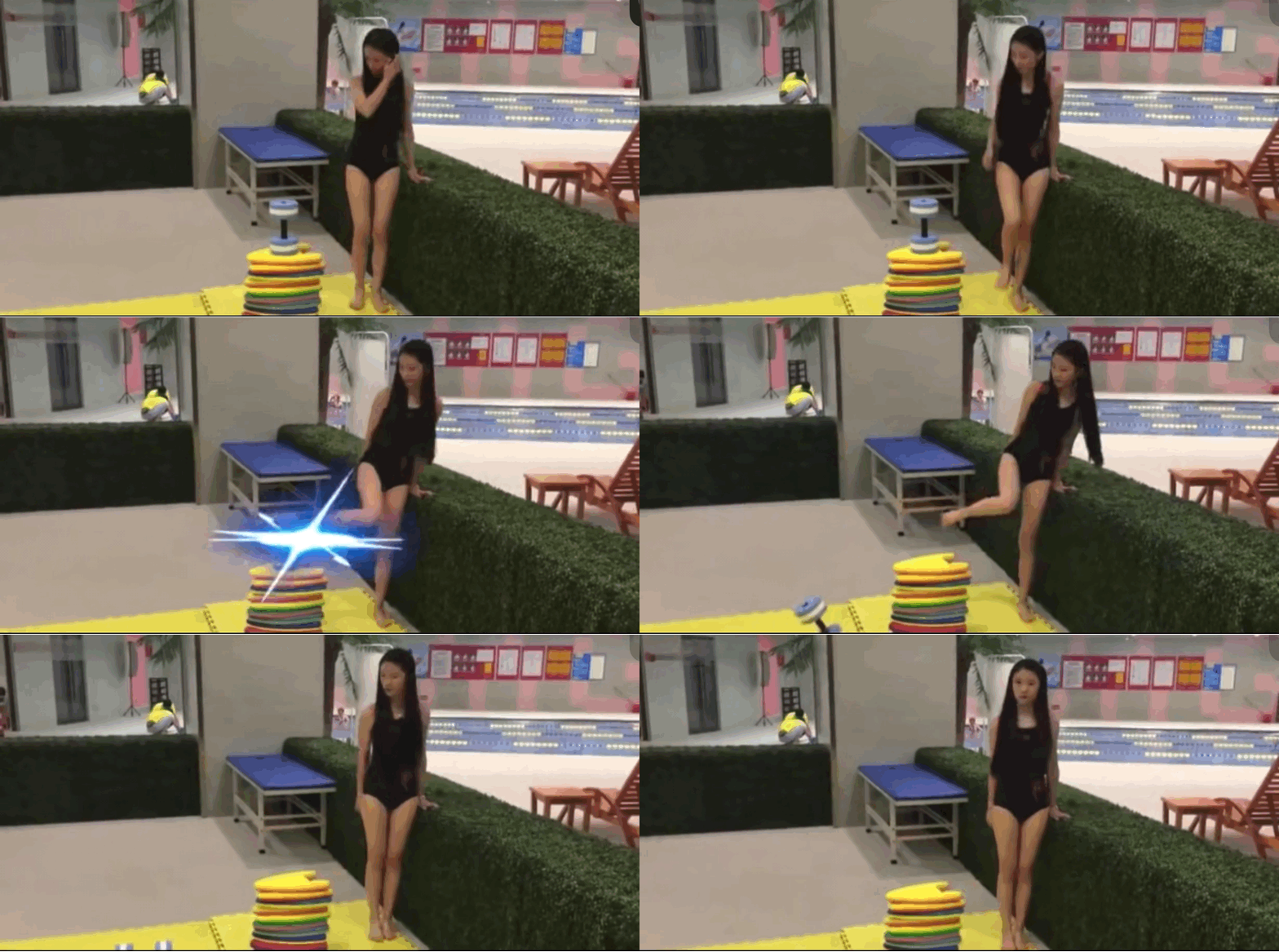
Do you do it too?
For example, the butterfly leg.‘Outward thrust’This is one of them. The incorrect basic practice leads to excessive outward extension of the butterfly leg and affects the action rhythm and thrust effect.
Let's chat about this problem.
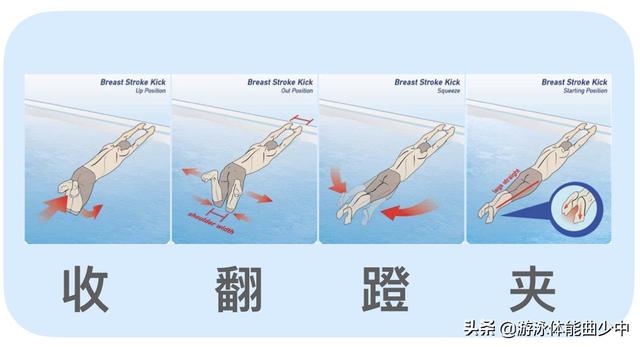
Butterfly leg error imitation practiceThe butterfly leg lower limb technical action segment is divided intoHip flexion and knee flexion, leg retraction and outward rotation, hip extension thrust, and inward retraction recovery.Traditional teaching models often use‘Pull, flip, thrust, clamp’These four words accurately describe the matters that should be paid attention to during the action. We cannot further simplify them. However, in the actual teaching process, we still see coaches oversimplify them to‘Outward thrust’
‘Inward clamp’.
If we want to tell students that a particular action needs to be focused on during the practice, it is okay to make it temporary.
But omitting too many details in the entire learning process is not conducive to mastering the butterfly leg, and the concept of ‘outward thrust’ is also incorrect.
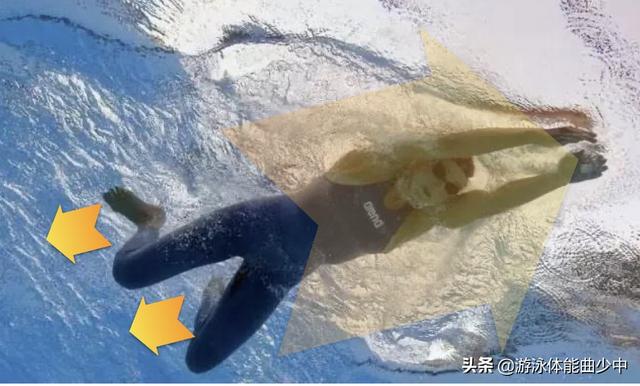
Why should the ‘outward thrust’ action be canceled and replaced with ‘outward rotation’?
1. ‘Outward thrust’ will not generate thrust.
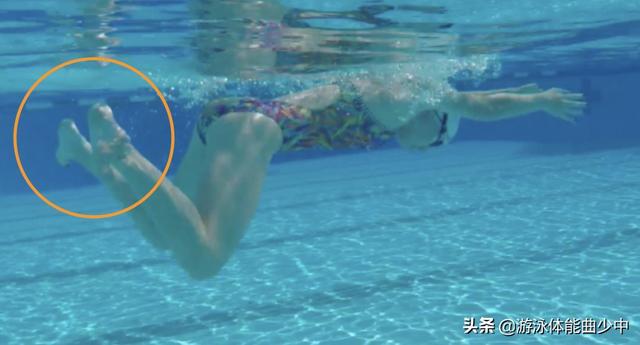
As in the water and on land, we propel ourselves through reaction force. When ‘thrusting’, if we do not establish enough ( -) ( -) ( -) ( -) ( -) ( -) ( -) ( -) ( -), instead of using ‘legs’ to push the water, we will not get enough forward thrust. For beginners who have not had contact with correct swimming techniques and sensations, they think this is the correct action, so the acceleration of the butterfly swimmer is far away. This is also what I often find in my teaching discussions.
2. ‘Outward rotation’ is the key content for beginners in butterfly legs.
If we forget too many action steps when learning butterfly legs, as long as we remember one thing, the most important thing for the butterfly leg is——‘outward rotation’. Because ‘outward rotation’ of the ankles and feet provides the most important supporting area for the lower limb’s thrust, if we do not have this support, it will not only be difficult to increase the speed of the butterfly stroke, but it will also affect core stability and upper limb actions.
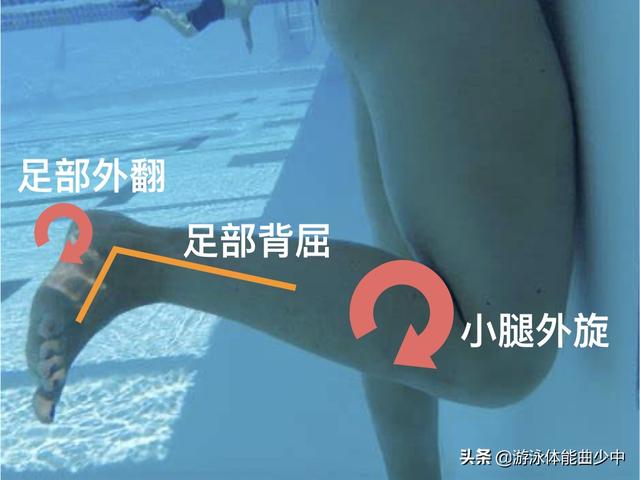
Butterfly leg ankle joint outward rotation action analysis.
1. Ankle joint outward rotation analysis.
Ankle joint action outward rotation seems like a single action, but it can be divided into three steps: foot back flexion, outer rotation of the lower leg, and outward foot rotation. I believe that most swimming coaches will not tell you this detail. And the most important thing in this detail is outer rotation of the lower leg. Once this action is done, outward rotation is basically achieved to 80%.
- 2. How to practice outward rotation and find the feeling.
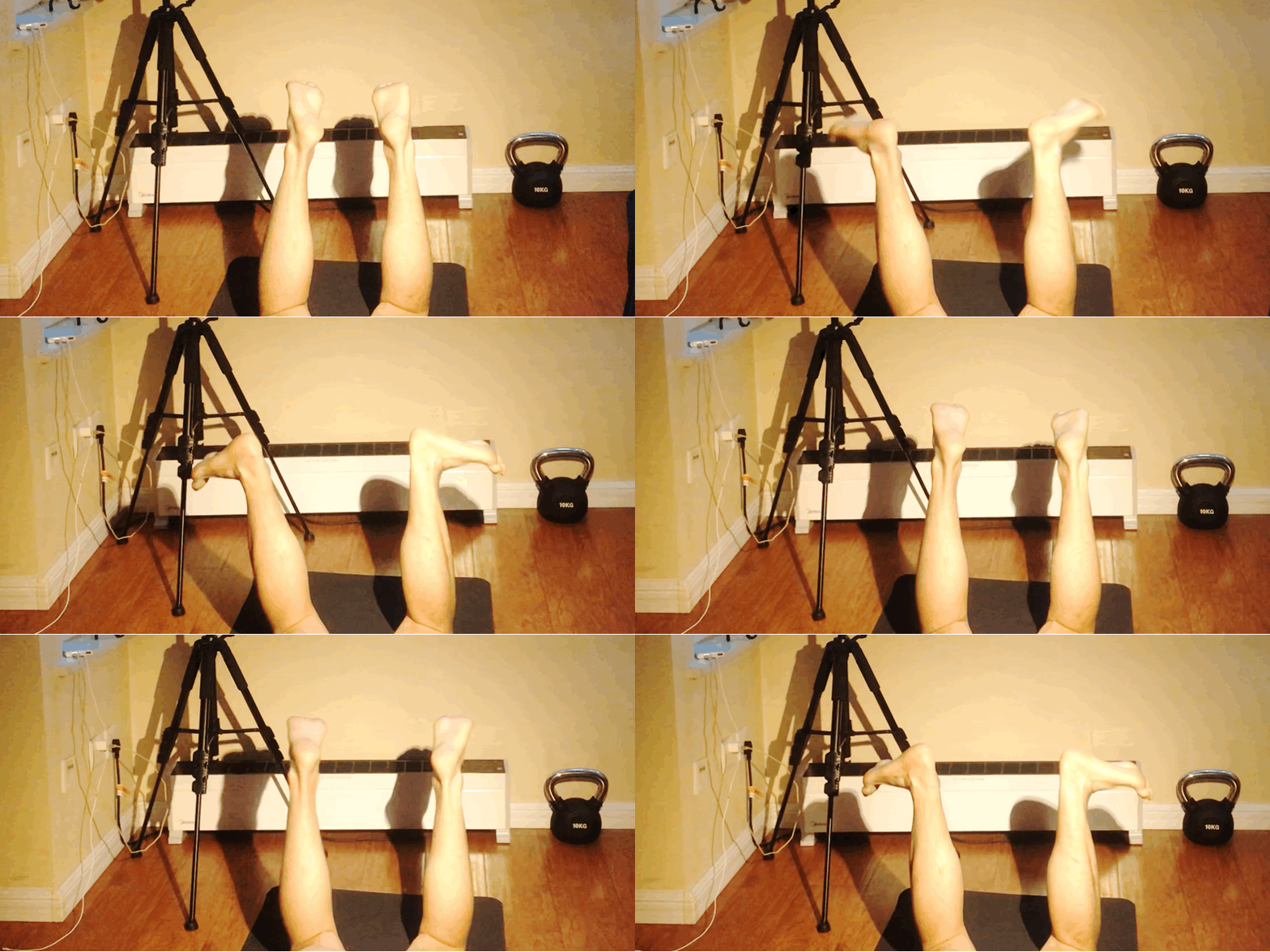
- As we just mentioned, the ‘most important’ thing for the butterfly leg’s ‘outward rotation’ is the outer rotation of the lower leg. So, we can practice this ‘outer rotation’ on land or in the water.
- Practice as follows:
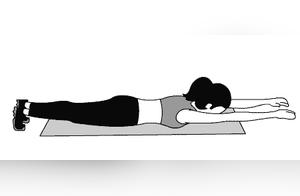
- Find a place to lie down on your stomach;
- Bend your knees to 90 degrees;
Relax your ankles and feet to 90 degrees;
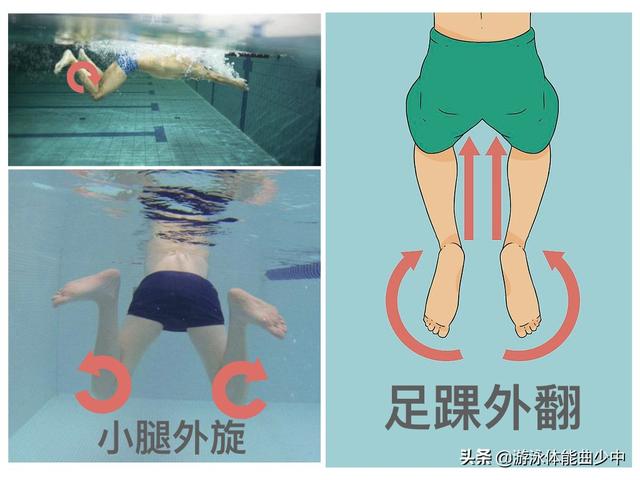
Rotate your lower legs to form an outward rotation action.
Summary.
Let's summarize the content of this time. When learning butterfly legs, don't do ‘outward thrust’ like practice, but do ankle and foot outward rotation. Because the lower limb’s thrust supporting area is mostly here, if your foot support surface is insufficient, it's difficult to improve the speed of the butterfly stroke. When practicing, whether on land or in the water, we should focus on the outer rotation of the lower legs. When we find a technical problem, we can trace it back to the basic practice stage. Looking at each link to find the problem, there may be many details that we have overlooked.