What Are Night Leg Cramps?
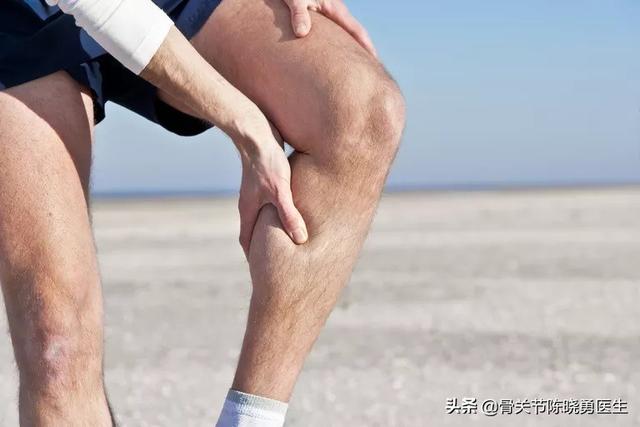
Muscle spasms are sudden, sustained, involuntary contractions of one or more muscles. The affected muscles become tight and stiff, and are accompanied by pain. Spasms can theoretically occur in any muscle, but most commonly occur in the calf muscles, and are most common during nighttime sleep. Other muscles prone to spasms include the thigh muscles, hamstring muscles, arm muscles, and rib and abdominal muscles.
Muscle spasms are very common, and almost everyone will experience them. So, what causes muscle spasms?
What causes muscle spasms?
Electromyography studies show that muscle spasms begin with an increase in activity of the nerve that controls the muscle, rather than the muscle itself.
But what causes the 'twitching' of the nerves, leading to painful muscle contractions? Research has found that many things can cause muscle spasms. These include:
- Biomechanical leg spasms may be related to flat feet or other structural abnormalities of the legs and feet. They are more common in people who sit or stand for long periods of time.
- Neurological diseases Some neurological diseases can increase the risk of muscle spasms, such as Parkinson's disease.
- Dehydration Caused by taking diuretics or excessive sweating can also cause muscle spasms
- Electrolyte imbalance Low levels of potassium, calcium, or magnesium in the blood are associated with muscle spasms
- Pregnancy Muscle spasms are more common during pregnancy. Research suggests that this may be due to a magnesium deficiency
- Metabolic diseases Diabetes, hypoglycemia, alcoholism, and thyroid disease are all associated with muscle spasms
- Peripheral arterial obstructive disease When muscles responsible for movement do not receive enough blood flow, it can lead to leg spasms
- Dialysis Patients undergoing dialysis are prone to muscle spasms, especially during treatment
- Sports activities Prolonged or intense exercise activities, especially in hot, humid weather, can trigger muscle spasms. This is considered due to dehydration and electrolyte imbalances working together.
- Idiopathic There is a significant portion of muscle spasms that cannot be found with a clear cause, and are often referred to as 'idiopathic'
Night leg cramps
Night leg cramps are very common and can be quite painful. While they occur in all age groups, they are more frequent after the age of 50. In addition to pain, nighttime leg cramps can greatly affect the sleep quality of the elderly.
How to treat muscle spasms
When an acute muscle spasm occurs, stretching and massaging the muscle can provide quick relief. Applying cold to the muscle can also be helpful. If the spasm occurs during intense or prolonged exercise, rest and hydration are essential. However, if you experience leg spasms when walking or climbing stairs, you should rule out the possibility of peripheral arterial obstructive disease.
If you experience frequent or severe spasms that even affect your sleep, seek medical attention promptly. A short course of medication (most commonly calcium channel blockers or antihistamines) can help relieve the symptoms of nighttime leg cramps.
Final remarks
Muscle spasms are very common, and almost everyone will experience them occasionally. Most of the time, muscle spasms have no definitive cause, or the cause is temporary. However, muscle spasms can also be associated with other diseases. If you experience recurring muscle spasms, seek medical attention promptly.