How to Protect Your Knee Joints?
Knee Joint's Plea
Stiff: Feeling stiff in the joint, difficulty with movement?
Aching: Knee pain when climbing stairs?
Swelling: Joint swelling?
Locking: The joint gets stuck, then releases on its own?
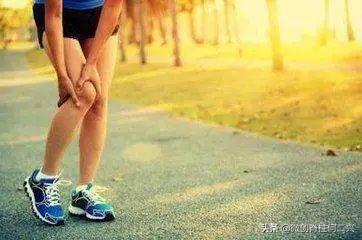
The knee joint is the largest and most complex joint in the human body, and the largest weight-bearing joint (normally able to support 35 kg). It plays a crucial role in human upright walking.
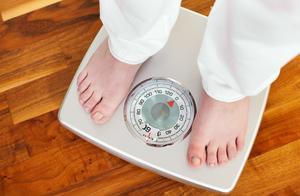
With age, wear and tear of the knee joint is unavoidable and irreversible. The extent of wear and tear and the weight borne are positively correlated. The greater the weight borne on the knee joint, the greater the wear and tear of the joint cartilage and the more prone the tendons around the joint to strain, all of which accelerate the degeneration of the knee joint.
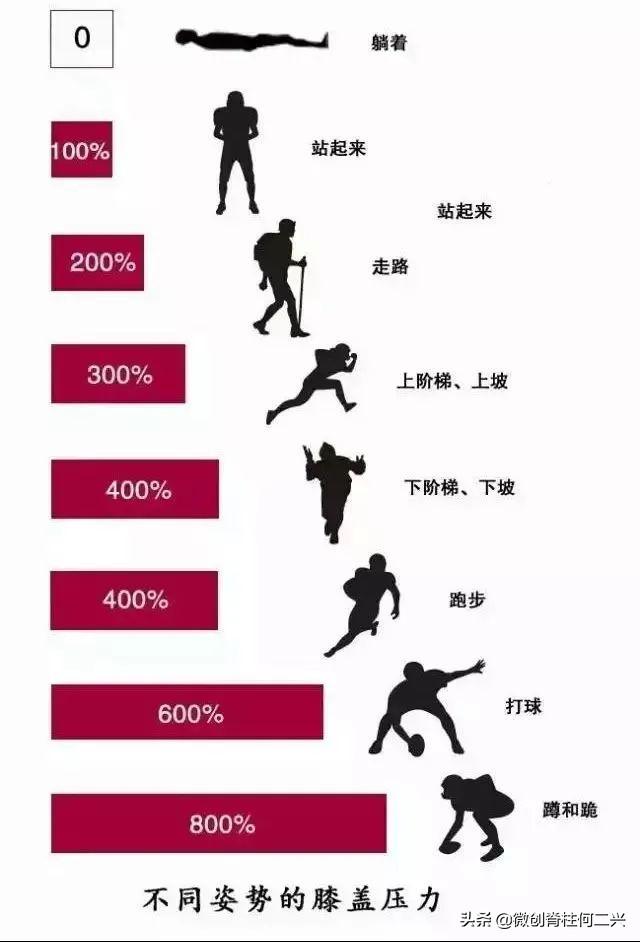
Do you know
The most damaging exercise for the knee joint?
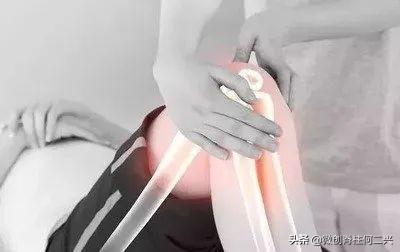
Several types of damage to the knee joint
Premature shift of the center of gravity
Increased pressure on the patella and the tibia, the larger the knee flexion angle, it is easy to cause knee injury.
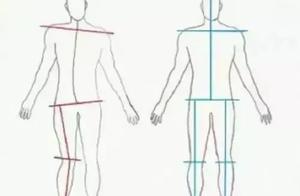
Outward-turned feet
The lower limb's physiological alignment is incorrect, the patella's sliding trajectory on the femur is affected, causing joint damage.
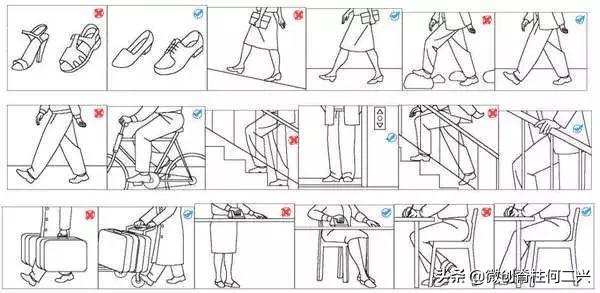
Wearing high heels
When women climb stairs in high heels, the weight borne on the patella can reach 7 to 9 times their body weight. Frequent wearing of high heels is often related to the patella softening, which refers to the degeneration and transformation of the patella cartilage due to wear and trauma, usually manifesting as pain in front of the knee, pain and friction when pressing on the patella, and pain when climbing stairs, with climbing stairs being particularly severe.

Protecting the knee joint
What should be done?
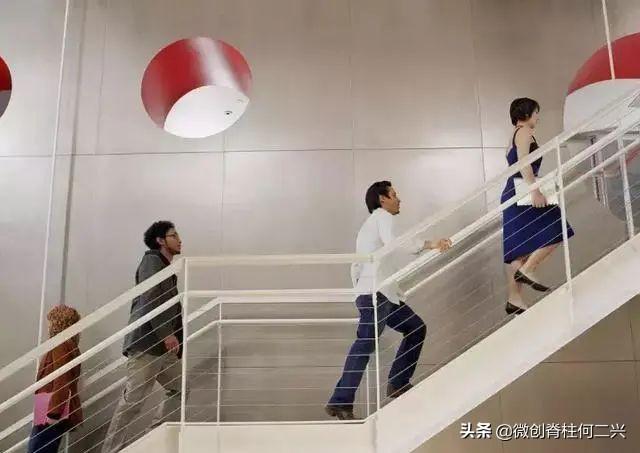
Climbing stairs
Going up the stairs

Keep your back straight, don't shift your center of gravity too early, reduce the knee flexion angle appropriately;
Use the entire sole of your foot to provide reliable fixed;
Avoid outward-turned feet, with the second toe aligned with the knee;
- Going down the stairs
In order to prevent the increase in knee joint pressure, use the front of the foot to land first;
Then transition to using the entire sole of the foot to buffer the knee joint's pressure.
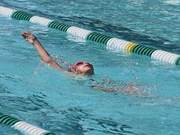
Swimming
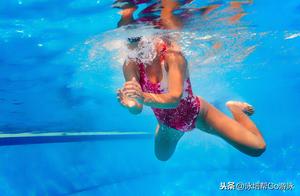
- Protecting the knee joint, swimming is the best!
Running, walking, also okay, but avoid climbing mountains.
Maintain good posture
Pay attention to the body posture when walking, don't twist your waist to work, don't walk with your legs spread, avoid prolonged squatting. It is best to sit on a small stool for prolonged squatting (such as washing clothes, picking vegetables, and cleaning the floor). Avoid maintaining one posture for a long time and pay attention to changing postures frequently. For example, after standing for a while, you can stretch your legs and take a short trot, and develop a good habit of protecting your joints in daily life.
Cycling
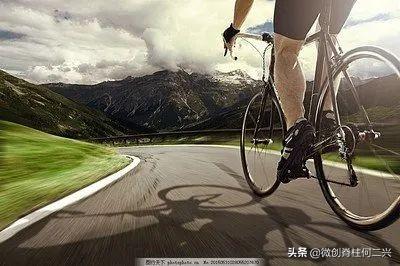
Cycling is a good way to exercise the knee joint without load. However, when cycling, adjust the seat height so that when sitting on the seat, your feet are on the pedals and your legs can be straight or slightly bent. The seat is too high, too low, or when climbing uphill, excessive force on the pedals, all have a bad influence on the knee joint, pay attention to avoid.

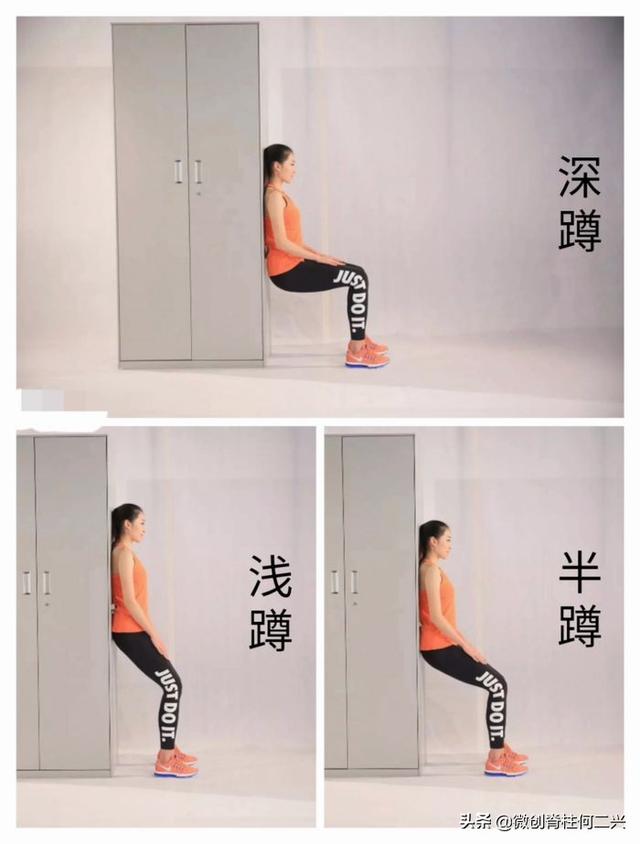
Static squat against the wall
Static squat is a method that has been summarized in clinical practice and is extremely suitable for the general population, especially for the elderly. It mainly exercises the strength of the quadriceps muscles.
Because it uses a stationary exercise method, it is both reasonable and easy to persist. It can also treat diseases and is a very good exercise method for friends who do not exercise much and want to improve muscle strength and ability.