Side Spin Requires Diagonal Impact vs. Thin Friction – A Significant Difference in Ball Effects
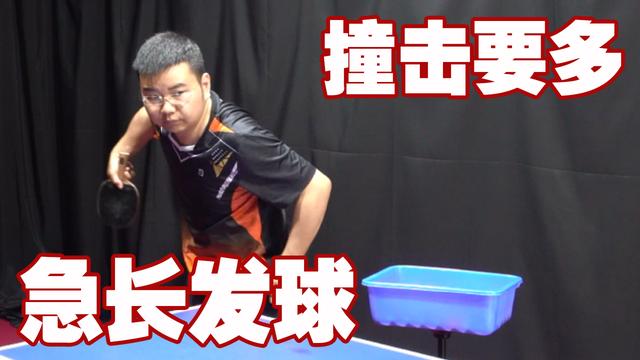
This episode mainly teaches oblique impact, thin friction and the relationship between the serve arc. To learn the detailed content, please follow this episode.
A ball friend named tom529 from the Pingpong Net question area asked: When serving with side spin, is it through oblique impact force or chop to generate rotation?
In fact, oblique impact force is also a way of chop. Oblique impact force creates a cutting force, generating power along the edge of the ball.
This ball friend may be asking how to generate spin, whether it's through side impact and side down oblique impact, or through thin friction to create rotation.
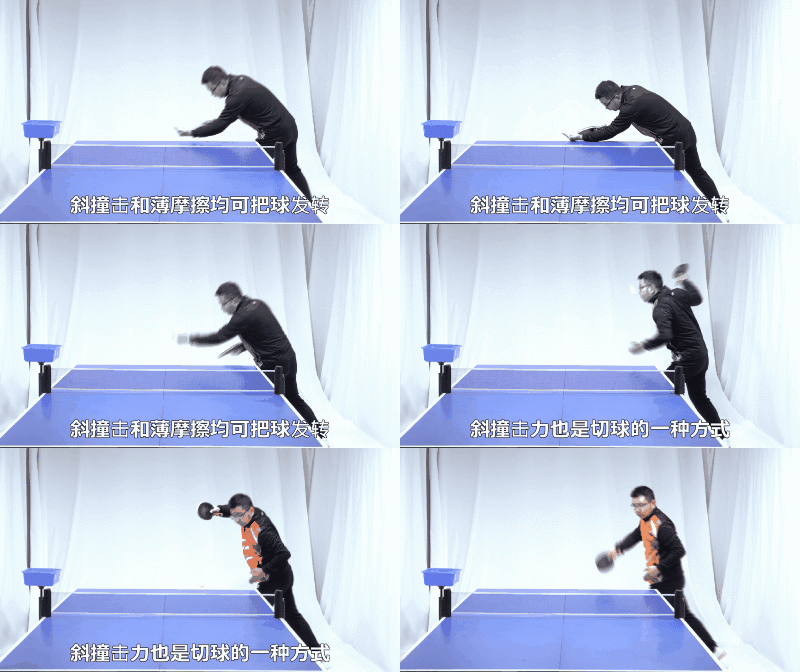
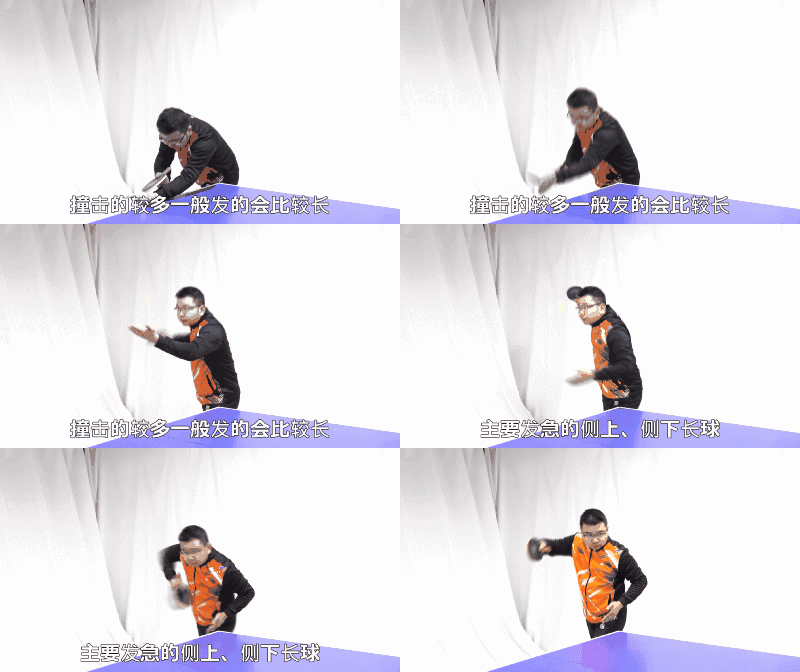
If the impact is more, creating a cutting force, this kind of ball will generally be longer, mainly through this cutting force to hit the ball.
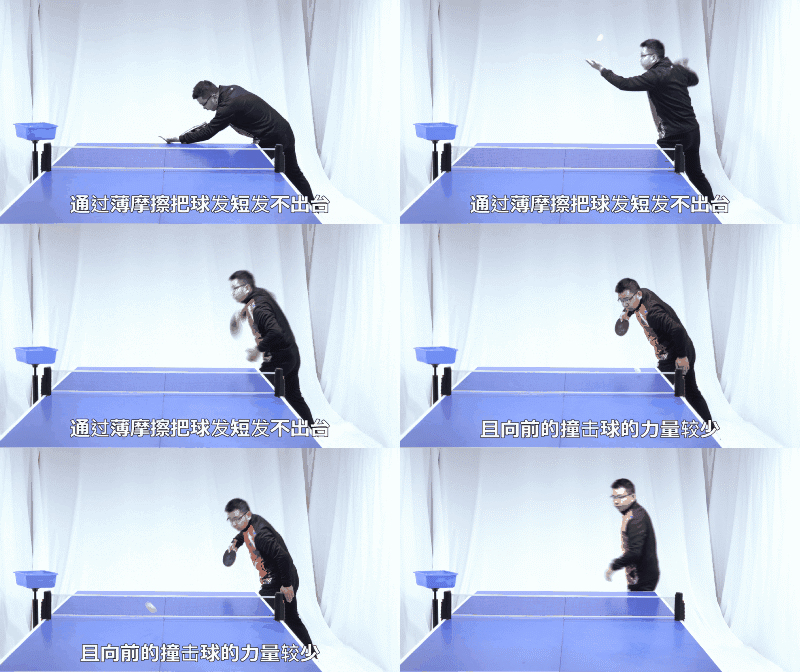
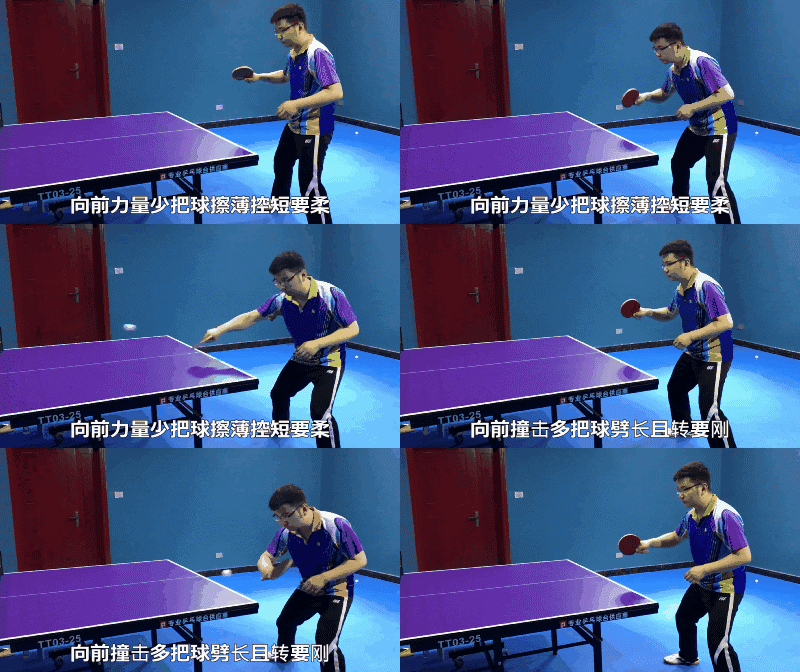
If you want to serve short and not out, it's mainly through thin friction, making the ball very thin, and the forward impact force will be less. At this time, the friction is more, and the forward impact is less, so the ball's forward movement will be weaker, and it's not easy to go out.
The same goes for side up. If you arch forward more, side up will move faster and longer. If you make the ball thinner and don't forward forcefully pull towards your body, you can make the ball short.
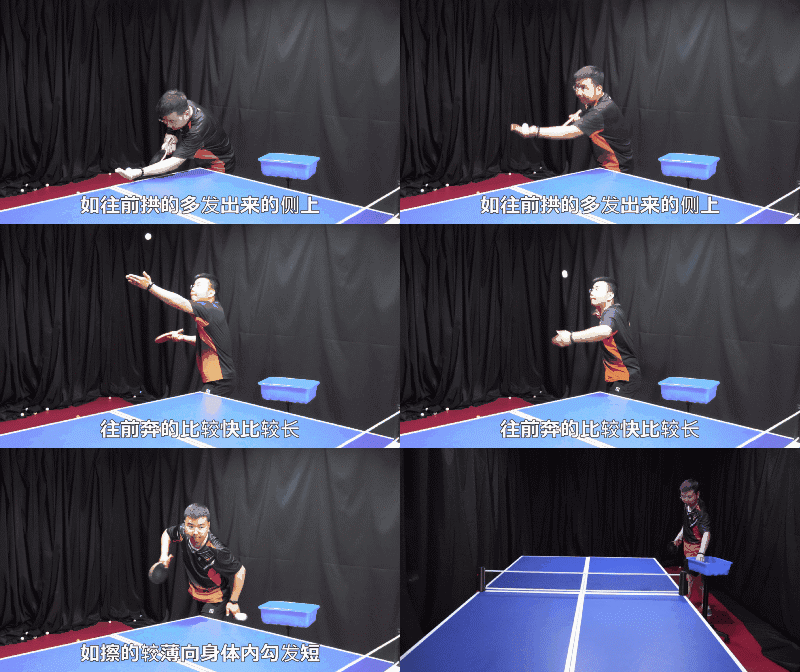
You can often see this through oblique impact force in the serve, splitting long and spin. For example, hook often uses this impact way to serve the ball. It's through a lot of impacts, thin, and less impact, so you can serve the ball short.
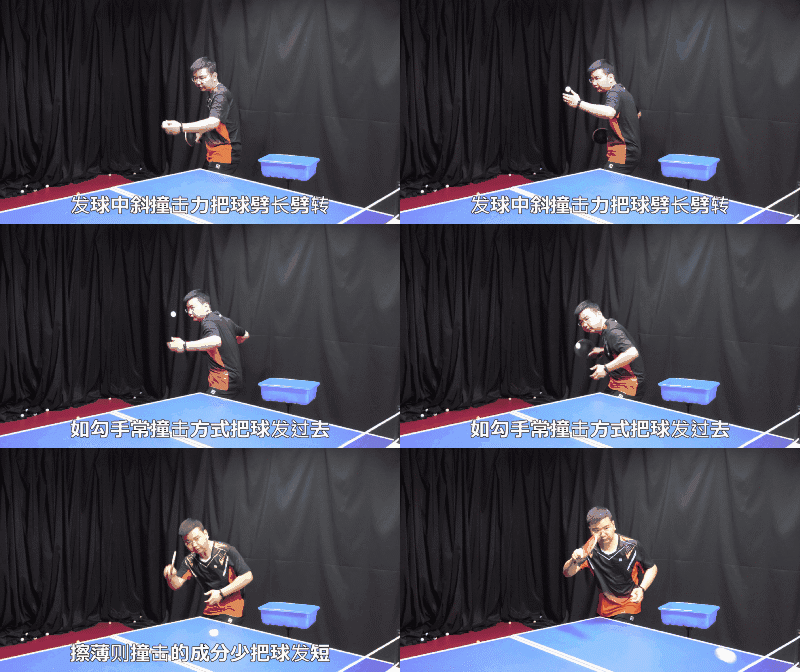
Both of these ways of exerting force can be used in all serve techniques. By rubbing thin, through splitting long, to create different rotations and landing points. This is also the same principle in general pushing and scraping.
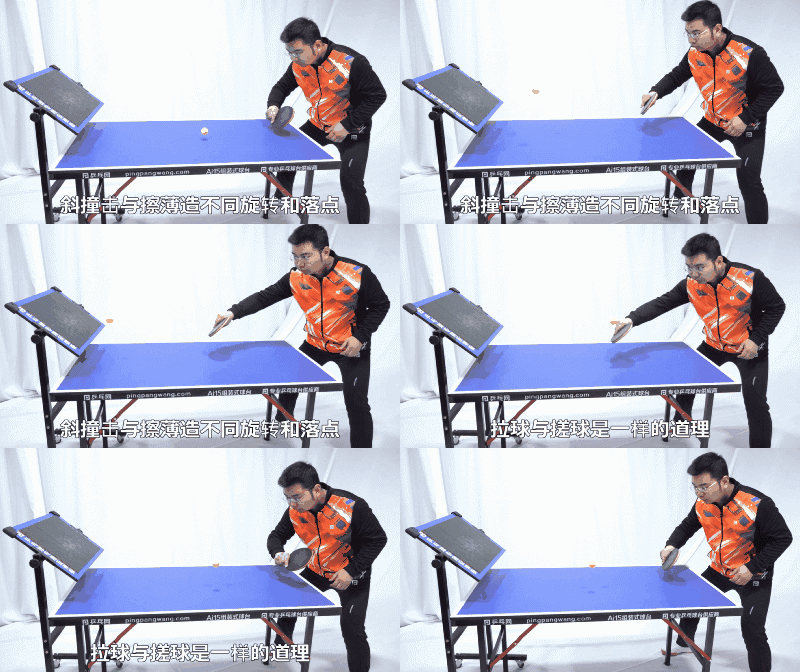
If you want to control the short ball and also scrape and rotate, then the forward force needs to be reduced, and the ball needs to be scraped thin, and be soft; if you want to split long lines and also spin, then I need to hit forward more, and I will use more forceful movements.
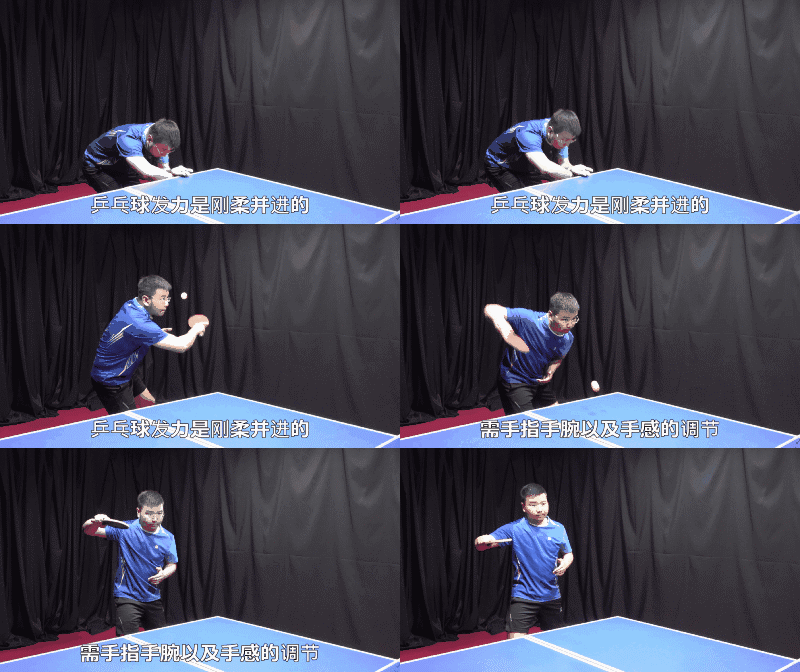
Therefore, table tennis force is a process of combining strength and softness. Strength has softness, and softness has strength. The key is how to control the proportion of strength and softness, which needs the adjustment of our fingers, wrists, and overall hand feeling.
Today's content is explained here. If you have any table tennis technical problems, welcome to ask in the Pingpong Net question area.
Pingpong Net Liu BaoSheng compiled