Still Rounded Shoulders and Hunched Back? Here's Your Exercise Prescription
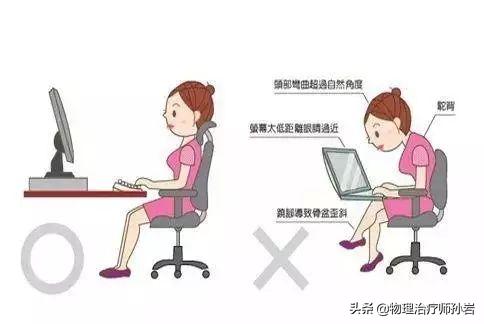
Different Work States
A seemingly simple and common action of hunching over while working hides enormous risks. With the advent of the information age, the use of the internet is also widespread. As we enjoy the convenience brought by the information age, many physical problems are also generated. IT professionals, clerks, students, and computer operators who work in front of computers often experience symptoms such as cervical discomfort, dizziness, and headaches. When looking at the computer, the eyes need to stare at the screen, and the neck bends forward, which can shorten the muscles of the sternocleidomastoid and upper trapezius muscles. When the neck extends, the muscles of the posterior neck group need to exert force, and the upper part of the trapezoid muscle needs to compensate for the function of the deep neck muscles (longus colli, longus capitis, rectus capitis posterior major, rectus capitis posterior minor).
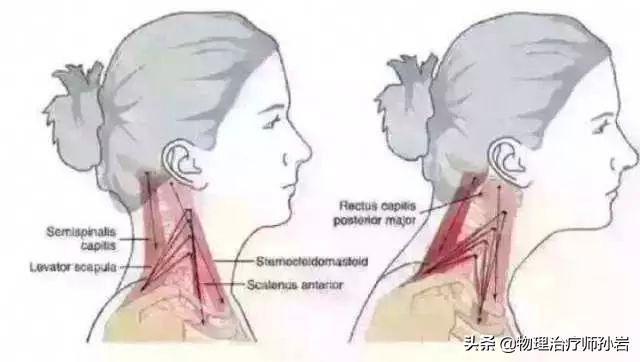
Incorrect posture causes muscle soreness on the back of the neck
The human body produces a specific adaptation to the load applied. The body is an intelligent machine, and from a human evolutionary perspective, changes in the body are to better adapt to the environment while consuming less energy. For example, the human body adapts to long-term desk work by forming a rounded shoulder, hunchback, and crossed-arm syndrome. Because the arms are placed on the work desk during sitting, the shoulder joint contracts inward, and the scapula rotates downward, so the trapezius muscle and sternocleidomastoid muscle contract, and they are in a state of tension. This results in the adhesion and fibrosis of the lower part of the trapezoid muscle, the latissimus dorsi muscle, and the rhomboid muscle, leading to muscle weakness.
In summary, incorrect desk work posture disrupts the balance of upper body and trunk muscle strength, resulting in forward head posture, rounded shoulders, and hunchback, forming the crossed-arm syndrome, which is a major cause of cervical spondylosis.
After postural assessment and muscle kinetic analysis: the muscles in front of the shoulder joint and the back of the neck are too tense, and a thorough stretching and relaxation is needed. The muscles of the posterior shoulder joint and the front of the neck need to be strengthened, so that the neck and shoulder position can be adjusted to a normal biomechanical position, making our whole appearance upright and confident.
Exercise prescription: muscles to stretch
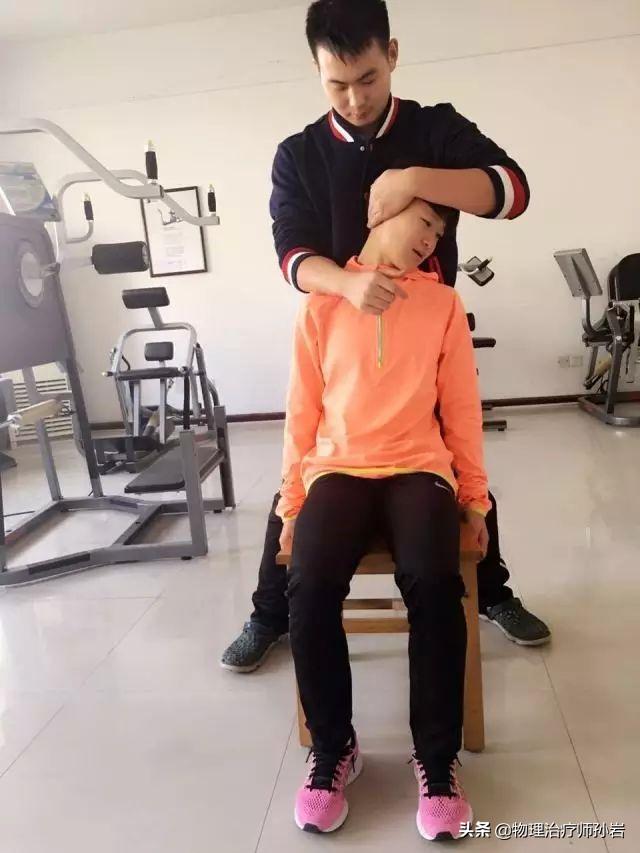
Stretch the upper part of the trapezoid muscle, the trapezius muscle, and the sternocleidomastoid muscle
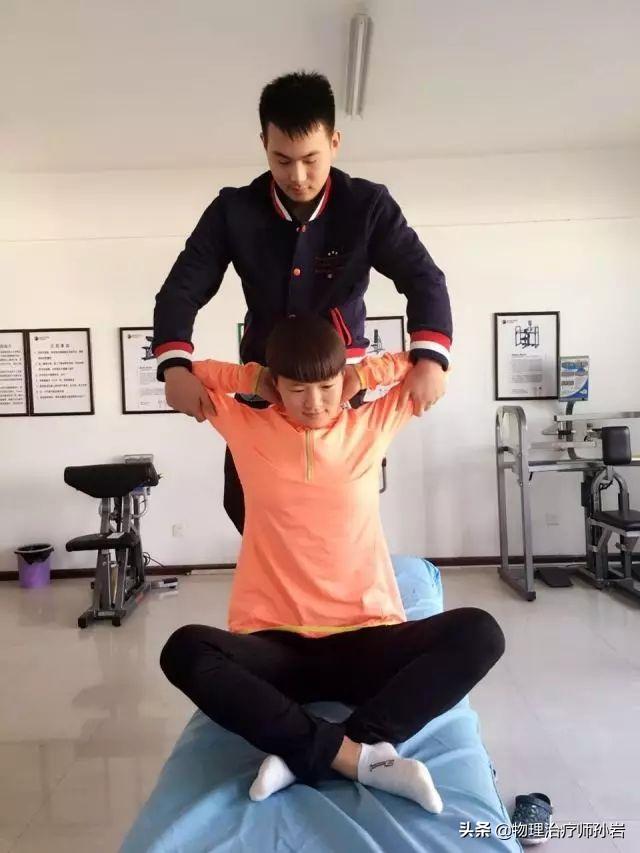
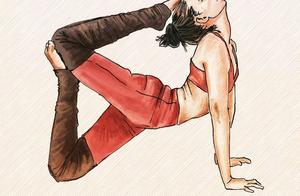
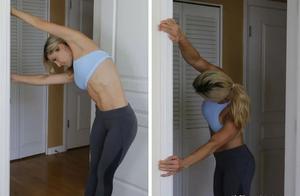
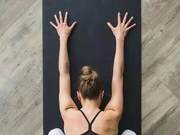
Stretch the pectoralis major muscle
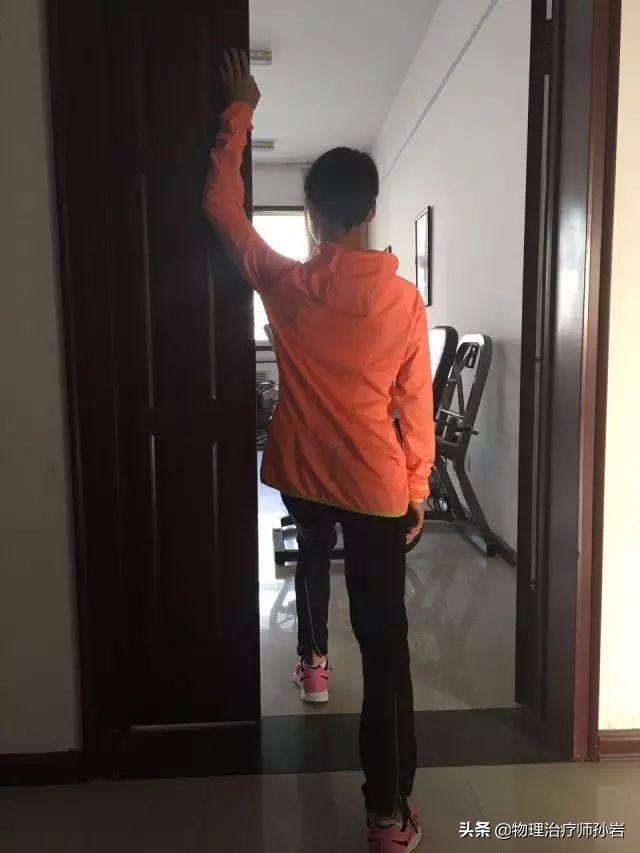
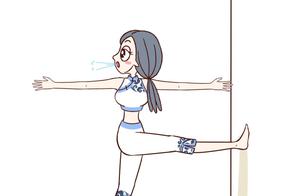
Doorframe self-stretch of the sternocleidomastoid muscle
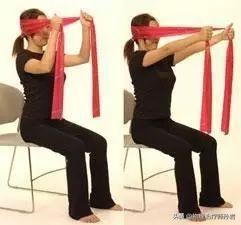
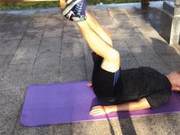
Muscles to strengthen: strengthening the posterior neck muscles
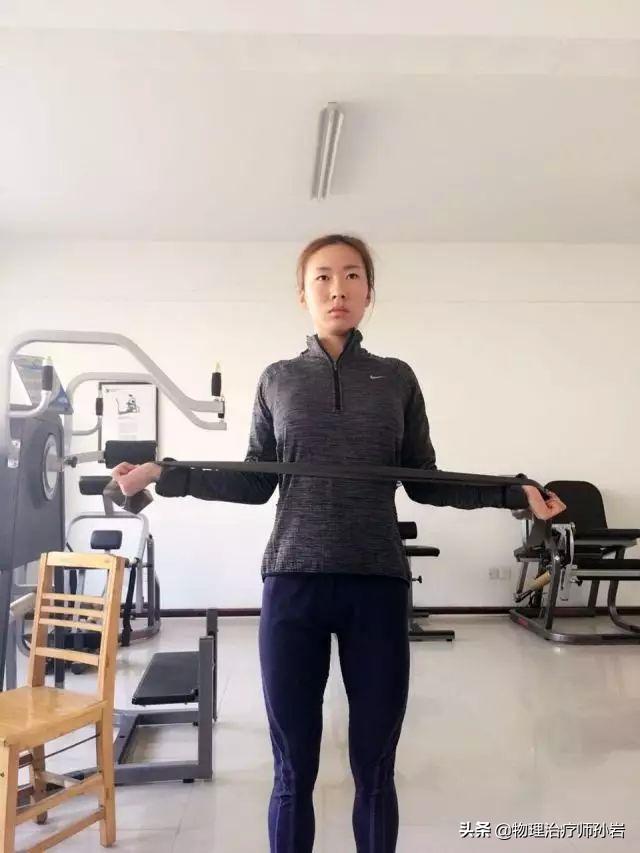
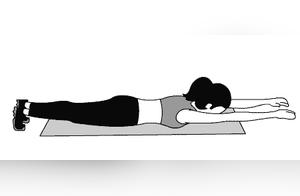
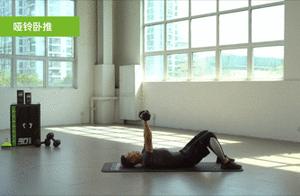
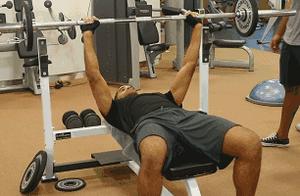
Strengthen the rhomboid muscle, strengthen the lower part of the trapezoid muscle
Prevention measures: 1. Take a break and move around every working period
2. Maintain a correct sitting posture while working at a desk, straighten your back, pull in your abdomen, and keep your eyes level with the computer screen, maintaining a normal physiological curve.
3. Learn to self-stretch tight muscles