Fill the gaps between online classes with these actions, relax your cervical spine, and refresh your brain

The online classroom is very lively now…
Seven or eight software programs like Dingtalk and Tencent are being used, requiring teachers and students to invest a lot of time and energy.
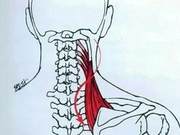
Prolonged hunching, especially when using tablets and laptops, makes it difficult to maintain correct posture, easily leading to neck muscle fatigue. This can cause pain, and in severe cases, it can cause neck muscle injury.
If you feel that your cervical spine is overloaded, you can use special actions to detect it. Please refer to my micro-headline: an action detection of the neck and back muscles is about to have a problem.
Today, I'm sharing with you how to alleviate neck pain if you experience persistent hunching. There are several actions you can take to relax neck muscle tension and exercise the flexibility of the cervical spine, strengthening muscle strength. It's simple and easy to do.
The first action is head down and head up. Keep your head in the middle of your shoulders, with your shoulders relaxed. Gently lower your head and then slowly tilt your neck back, while taking deep breaths. When inhaling, lower your head, and when exhaling, tilt your neck back. Do about 3 sets, with 15-20 repetitions each.


The second action is to maintain a straight neck and slowly tilt your head to one side, trying to bring your ears close to your shoulders. The key to this action is to keep the neck in a neutral direction from front to back. If your neck leans forward or backward, it will easily bring your ears closer to your shoulders, but it will weaken the exercise effect. After your ears are close to your shoulders, hold for about three seconds, then repeat on the other side. Do 15 to 20 repetitions.
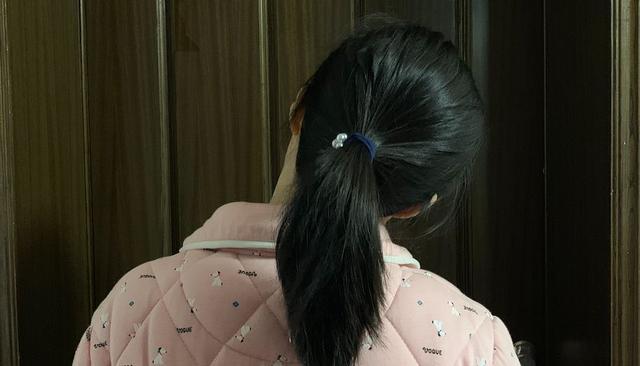
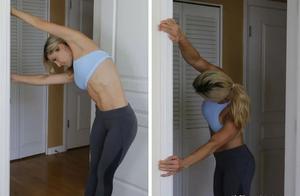
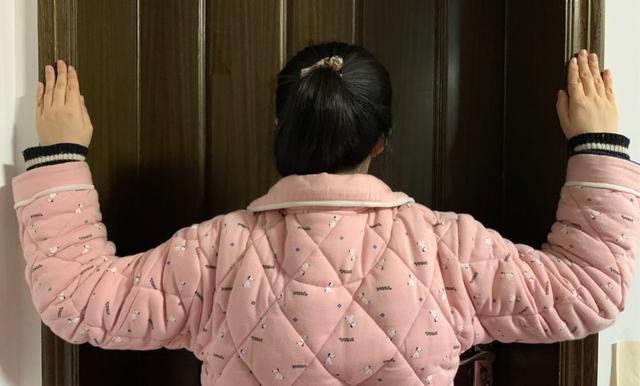
The third action is the action we mentioned earlier to determine if the back muscles are about to be injured. The most ordinary doorway. Your feet and the doorway are on the same line. Expand your shoulders on both sides, straighten your upper arms, the upper arms are slightly lower than the shoulder height, and try to keep them horizontal. The elbows are at a 90-degree angle. The forearms and palms are pressed against the doorway, with the height of the neck and head basically the same. Keep your neck stretched, and stare straight ahead. When doing this, lean your body forward slightly, and feel the appropriate tension in the muscles of your back and the front of your chest. Do this for about 30 seconds, 3-5 times.
After completing this set of actions, even if it's done slowly, it only takes about 10 minutes. During work or leisure time, it can relax your muscles and give your brain a good rest.
When performing this set of actions, if you experience muscle soreness and pain in your neck, or pain radiates to your upper limbs and causes numbness in your hands, you should seek medical attention quickly. In winter, the range of motion should not be too large, and you can first do some warm-up exercises.