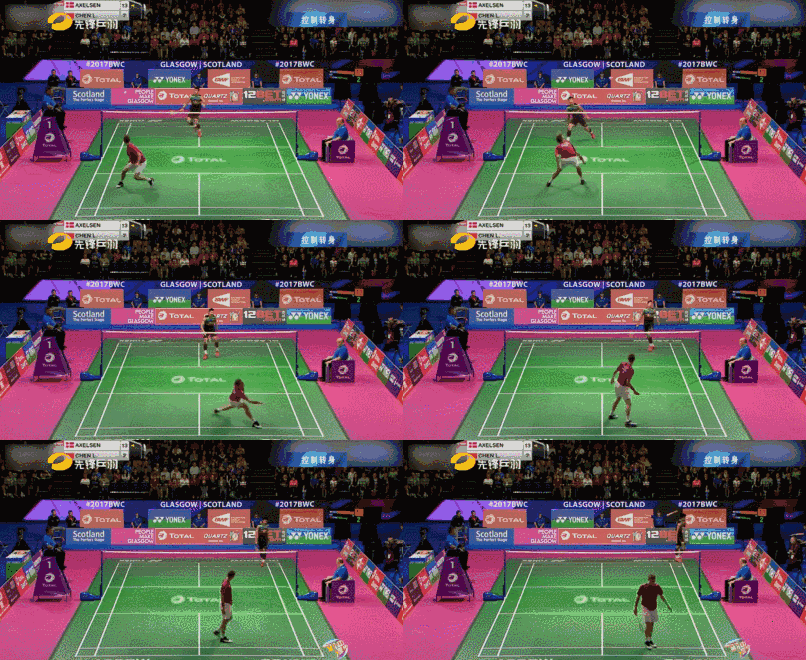
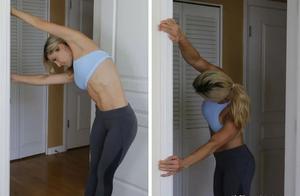
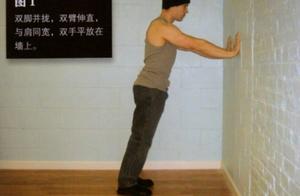
There are too many misconceptions about badminton, and passers-by ball players should not miss it.
Misconception 1: It's not a matter of the racket that the ball doesn't go smoothly
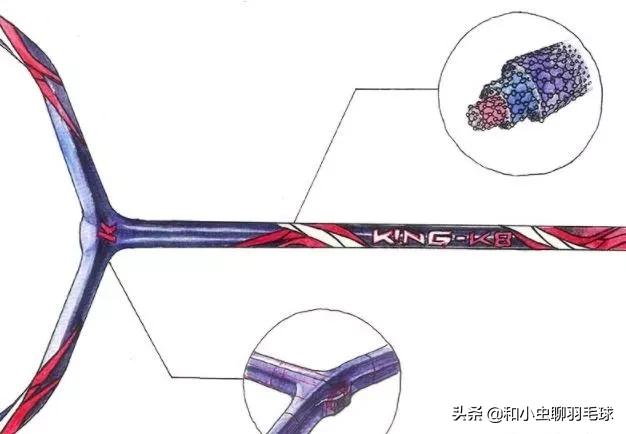
Analysis: When playing badminton, if the kill shot isn't smooth or the high-angle shot doesn't reach the designated position, it's often blamed on the racket. In reality, each racket design has certain characteristics and focuses, but it shouldn't be so obvious. If it's really troublesome, first consider whether your technique is a problem.
Misconception 2: Excessive emphasis on footwork theory
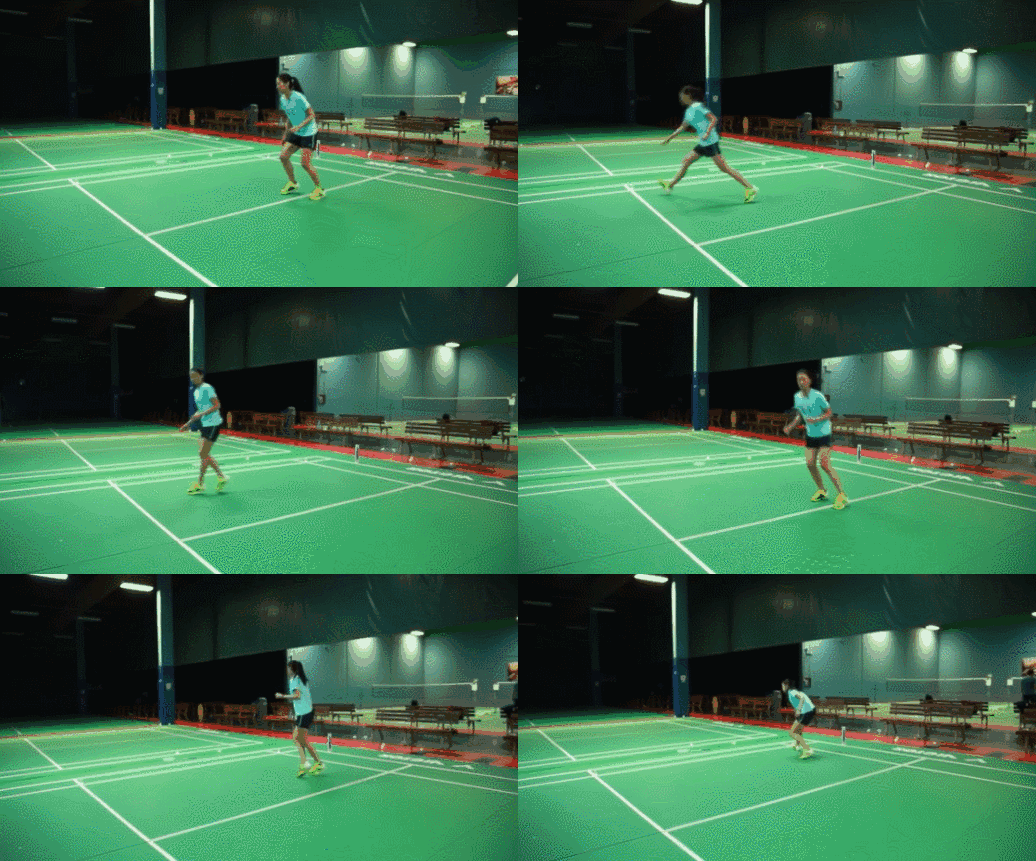
Analysis: Footwork is different for people of different heights, strides, flexibility, etc. The coach teaches you the most adaptable steps for most people, but you need to adjust them according to your physical condition and habits.
Misconception 3: Blindly pursuing wrist power
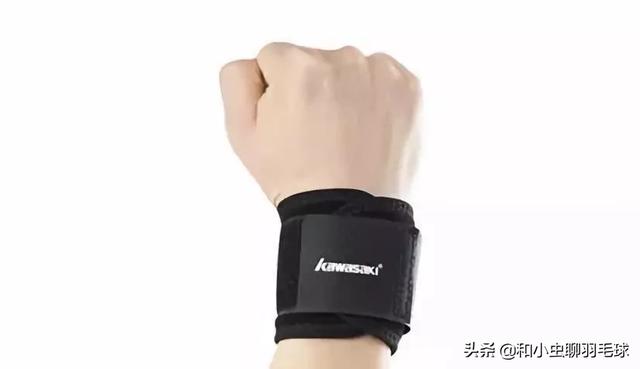
Analysis: Power generation is always small and then big. Don't start by pursuing wrist and finger power. If you can't do side-arm, sideloading power generation reflexively, don't try to generate wrist and finger power, it will only injure you.
Misconception 4: 'Walk before you run'
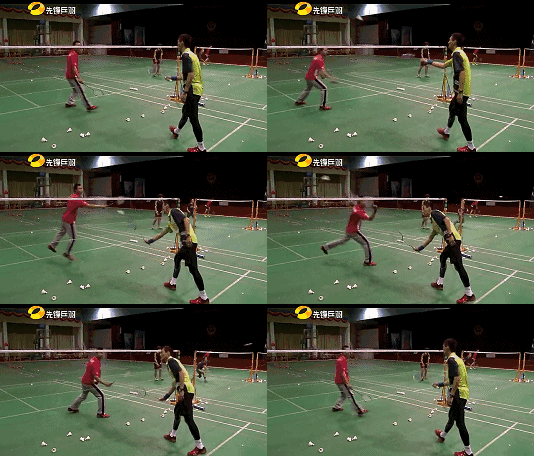
Analysis: Sometimes when playing badminton, you'll find some players like to play some fancy fake movements. The most effective fake movements aren't learned from videos, but consistent basic movements. Fancy badminton is only for fun. If you really want to play competitions, consistency is more important than anything else.
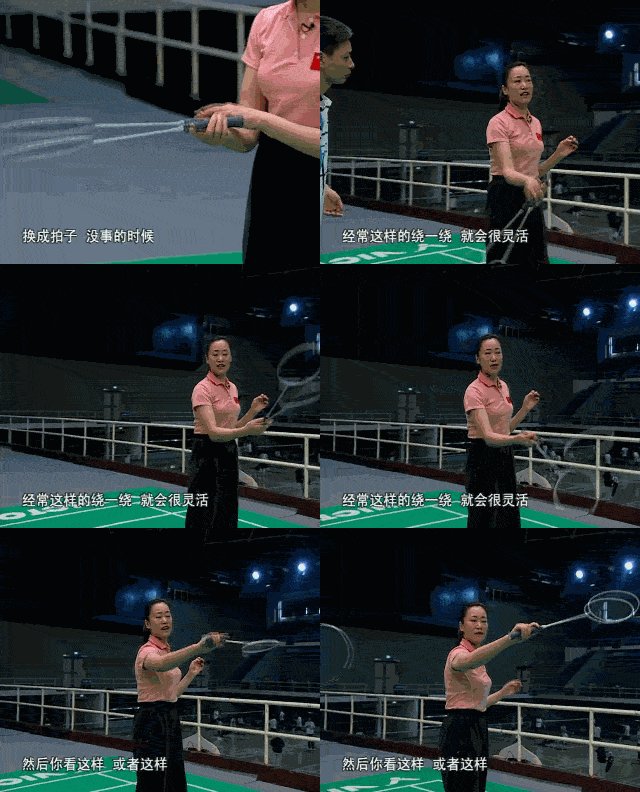
Misconception 5: Not pulling the racket when explaining techniques
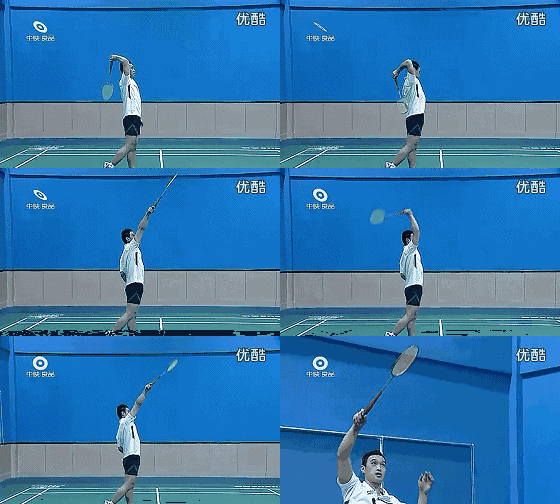
Analysis: We always emphasize pulling the racket when explaining shooting techniques. But many badminton players don't have this habit. It's said that 'you can't shoot an arrow without pulling the bow.' Pulling the racket is essential. Players need to understand this themselves.
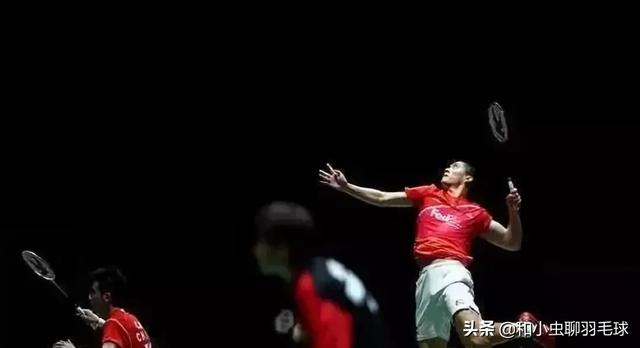
Misconception 6: Blindly pursuing double foot jumping kill shot
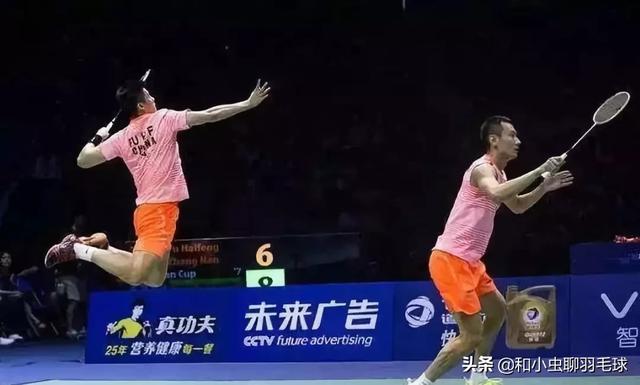
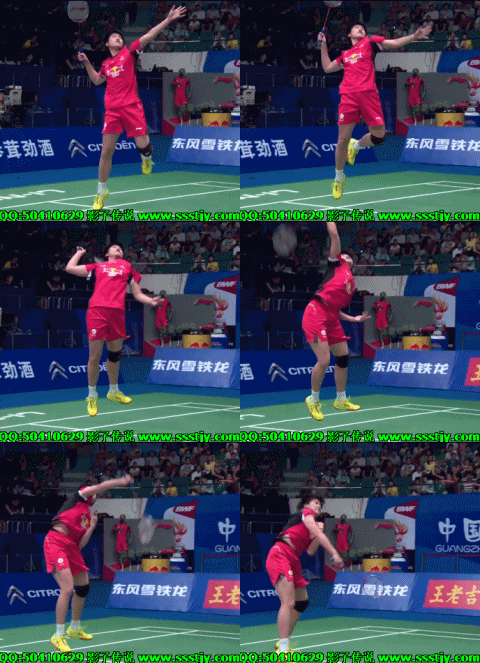
Analysis: Many of you must have seen this kind of player. They jump to kill the ball. It looks very violent, but the output is not very threatening. We tell you that if you stand still and kill the ball without threat, you won't be able to make a good shot by jumping. Jump kill requires certain requirements for the coordination of the abdomen, air and other aspects. If you can't threaten with a stationary kill shot, you'll definitely not be able to make a good shot by jumping.Misconception 7: The racket face is not flat

Analysis: Many badminton players always say that the kill shot doesn't have power or the high-angle shot doesn't reach the designated position. In fact, more than 60% of players lose more than 30% of the power due to the racket face not being flat. If the racket face is not flat, the ball will slide along the racket, and the power cannot be fully transmitted to the shuttlecock. Therefore, if the shot doesn't feel comfortable, try to see if the racket face is a problem.
Misconception 8: Footwork is always the same
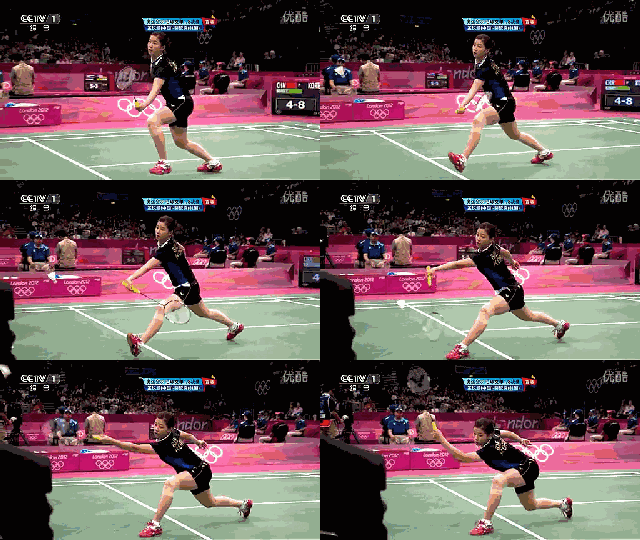
Analysis: When practicing footwork, the coach always emphasizes the last step should be big and stable. But when playing, we don't have this habit. When playing long-distance shots, footwork movement should always be small in the first few steps, and then step out to stand firmly before hitting the ball.
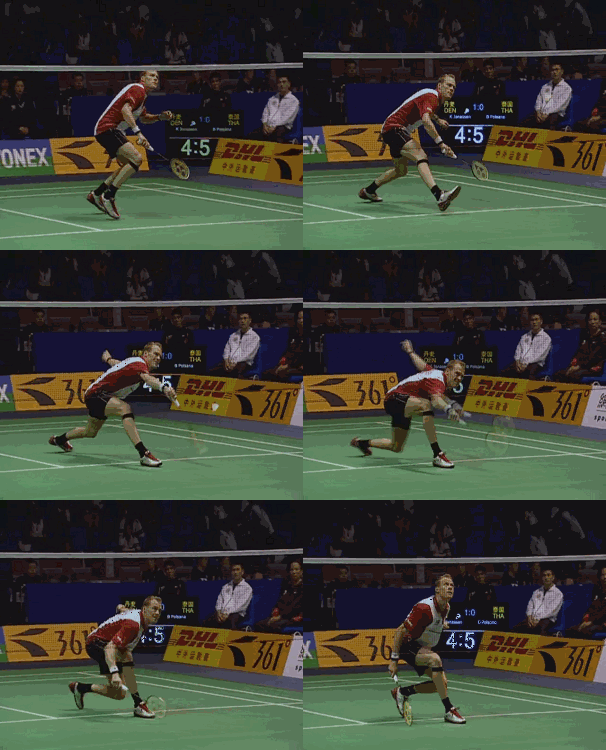
Misconception 9: Leaning forward when shooting
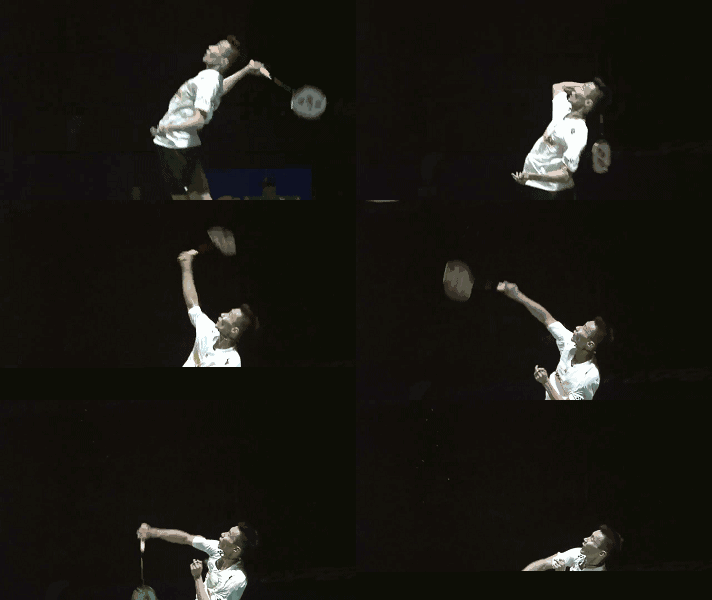
Analysis: Many players, especially those who shoot high-angle shots or kill shots, lean forward when shooting because of their footwork problems. They think it's 'cool' or simply that it's a more powerful shot. But they don't have professional training and physical fitness, so when they lean forward to shoot, it's not a professional 'jump kill', but it's a passive shot that eliminates the opportunity to actively control the ball.
Misconception 10: Too rigid shot paths
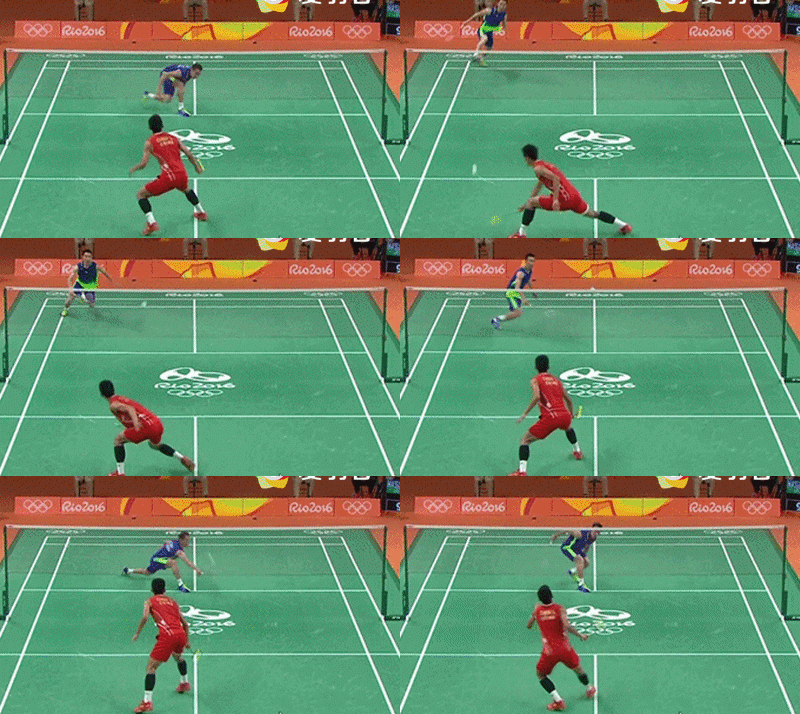
Analysis: Many players don't play competitions often, so their shot paths are too rigid and lack changes. It's easy for them to be easily exploited by their opponents. In fact, when you actively try to attack with straight lines, because the distance is short, you can continuously suppress your opponent; when you are passive, you should try to play as many diagonal shots as possible to disrupt your opponent's startup and continuous offensive rhythm, giving yourself a chance to recover.
Misconception 11: Playing badminton with an inappropriate attitude
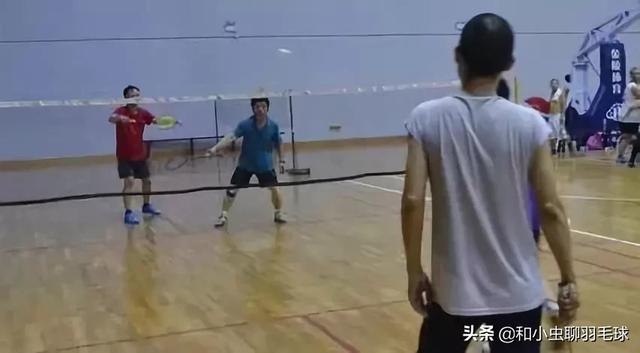
Analysis: When it comes to this, some badminton players look down on their opponents' level, so their shots are lazy and careless. It's a very casual attitude. In fact, you can relax, but this isn't a game attitude or psychological will, it's really about the technical foundation of hard work and practice. Good skills come first.
Misconception 12: 'I have little strength'
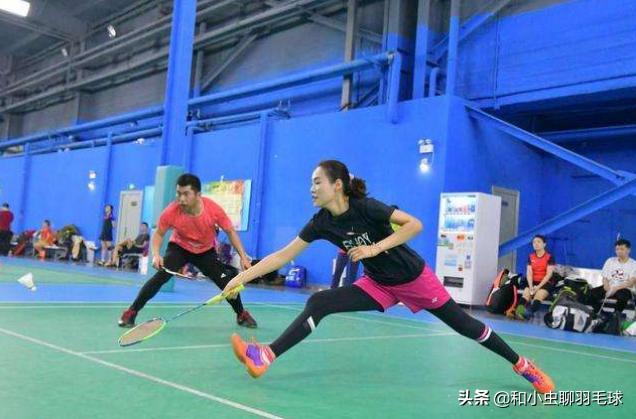
Analysis: This is often what female players say. They always complain that their shots don't have power because they have little strength. Don't make this your excuse. It's better to focus on improving your overall technique and fitness.
Misconception 13: Not knowing your strengths
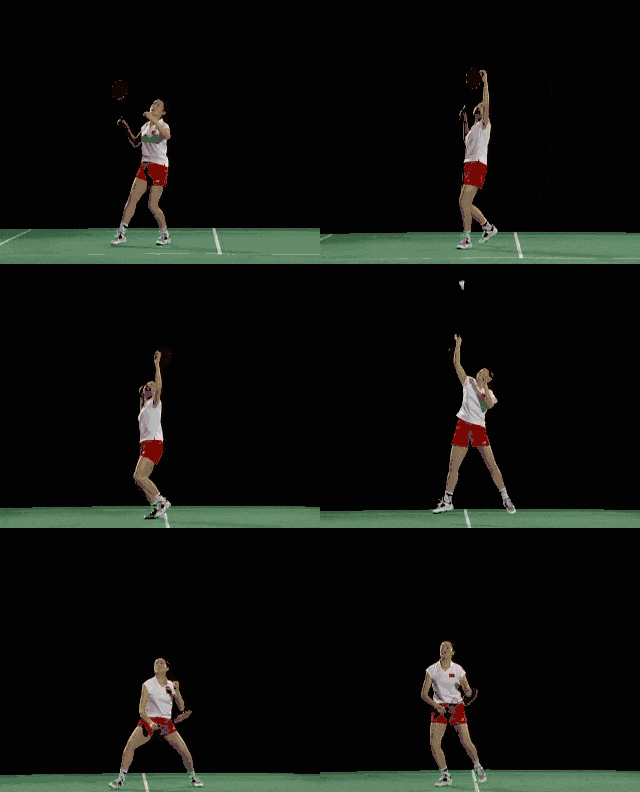
Analysis: Most amateur badminton players can establish their own style and find their characteristics and development direction after learning badminton for a period of time. But many players don't know their own style, thinking whatever looks cool is cool, and whatever is fun is fun. This will slow down the progress.
Misconception 14: Copying professional players without understanding the difference
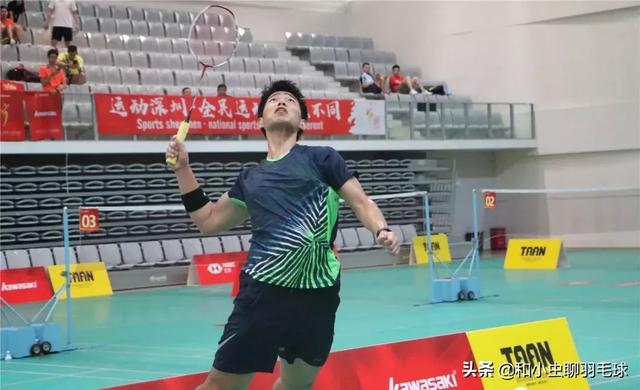
Analysis: Many amateur badminton players admire professional players' excellent techniques and download videos to imitate them. But the difference between professionals and amateurs is not only the standardization of movements, but also the long-term training and physical fitness differences. Don't easily imitate the techniques of top players.
Misconception 15: Not knowing which shots are advantageous
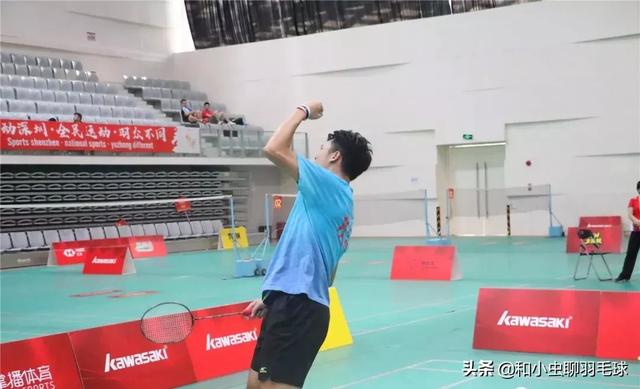
Analysis: Most badminton players don't know their own style, think whatever is cool is cool, and whatever is fun is fun. This will slow down the progress.
16
17
1830
18
19
30058
20
21
“”
22
“”“SORRY”
23
24
25
26
27
28
…
29
30
8
31
32