Don't Want to Hire a Coach? See How Others Learned to Ski
The text was too long, so I'm splitting it into two parts. This part is mainly about how to learn to ski.
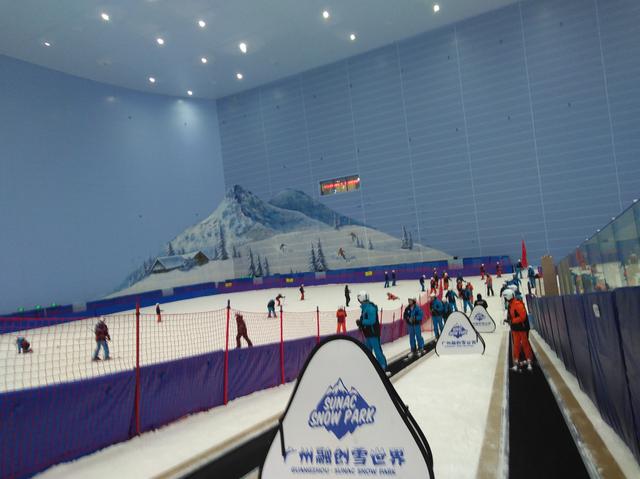
Skiing in hot Southern China? You don't know about Rili Snow World
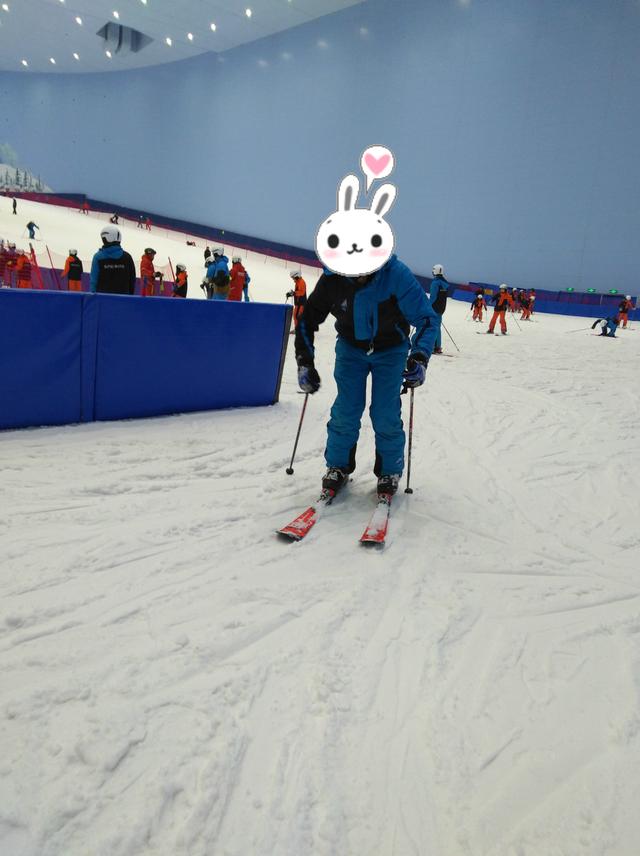
As Xiaoyu said, the first time I skied, I didn't spend any money hiring a coach, but instead asked a friend who already knew how to ski to introduce me, so I started practicing, learning from experience.
Above all, it's okay to fall and not hurt, falling doesn't hurt, doesn't hurt, doesn't hurt!!!! However, hitting a person or object is definitely a painful sensation.
Xiaoyu was very timid at first, always afraid of hitting people in front of her, so she would turn to the side of the railing, and she had a strange feeling in her hands, legs, chest. It hurt, but not sharply, but she couldn't get up on her own and needed someone to pull her up and take a rest before continuing.
So, in the snow, just fall!
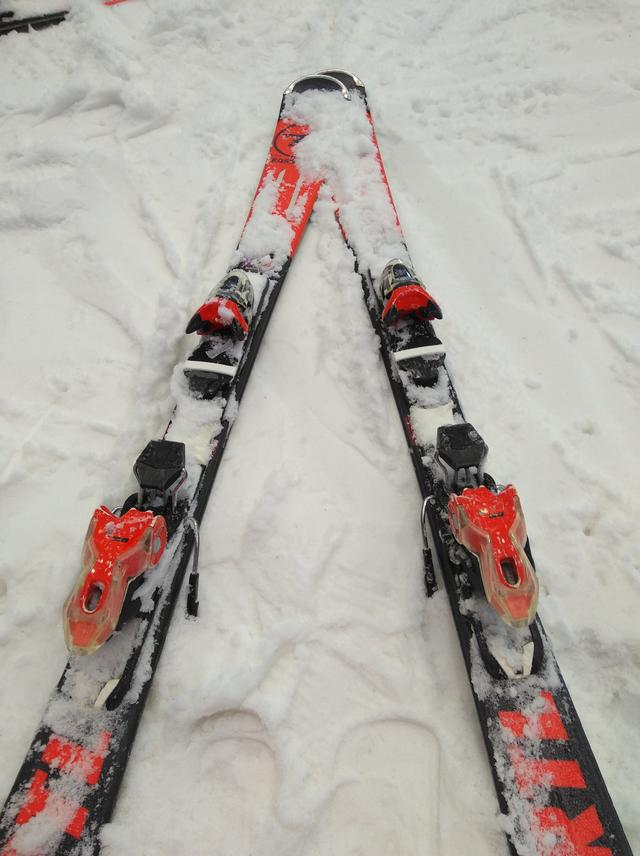
1. When wearing ski boots, follow the direction in the picture (up-down, left-right), the toe of the boot faces the upper semicircle of the boot, the heel presses down on the raised heel piece, use force, and the orange insert will pop up and lock the boots. It's best to put one boot on first, then the other.
2. If the ground is flat, try to lay the ski board horizontally, bend your waist and knees slightly, and use the snow shovels on both sides to push it backward to move forward. You'll eventually find that pushing snow shovels is very tiring, hands get tired.
3. On a flat surface, try to keep the ski board horizontal to reduce resistance and make it easier to move forward.
4. However, on uneven ground, that is, when skiing downhill, keep an inward angle. The ski boards should not cross each other, and the larger the inward angle, the slower the speed and the lower the risk.
5. Ski boots are similar to boots, 'mid-cut' to about one-third of the calf, the front of the calf is covered by the hard plastic of the boot, relax your whole body, and the knees will bend slightly, keeping the center of gravity perpendicular to the slope, that is, relative to the sloping ski slope, the calf is facing the boot, but the body is slightly backward.
6. Try to keep the center of gravity leaning slightly backward, so when you fall, you will fall backward, your butt will touch the ground, or even lie down, avoiding injury. Conversely, if the center of gravity is forward, your face will hit the ground, making it easier to get injured.
7. To control direction, you can also use the center of gravity. For example, if you want to turn left, lean your weight to your left foot, and don't use your right foot. Conversely, it's also the same.
8. For beginners, the speed is already fast, and it's getting faster. Using snow shovels is unnecessary. The standard way is to lean slightly backward, but it doesn't really help much. Holding the ski boards with both hands, as long as you don't hinder yourself and others, and don't touch the ground, it's okay.
9. When walking with the ski board on snowy ground, first wipe the snow off the board, and the walking steps are easier to master.
10. Finally, and most importantly, practice makes perfect, don't be afraid, be calm, no matter how much theory there is, practice is more important.