Eat Without Knowing How to Eat, Still Build Muscle – The Ultimate Muscle Gain Diet Guide
In 7 minutes reading time, please read it patiently, you will thank me.

Male god eating
When the fierce northern wind rises, the season of muscle gain arrives. One article, solves all your muscle gain questions.
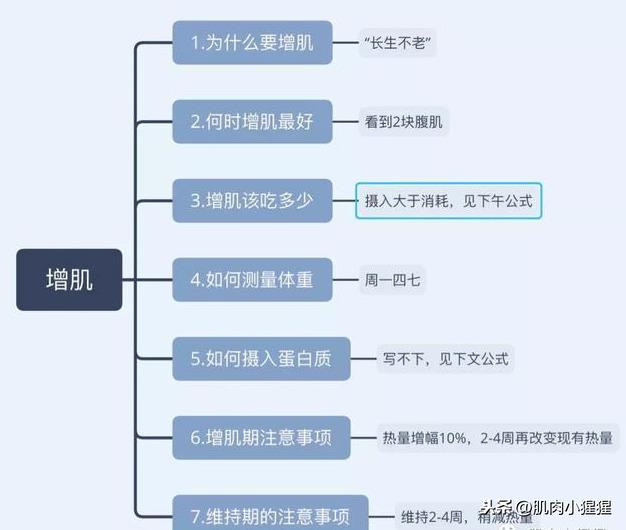
This issue preview:
1. Why do you need to gain muscle?
2. When do you gain muscle?
3. How much protein should you eat to gain muscle?
4. How to measure weight
5. How to take in protein
6. Precautions for muscle gain
7. Precautions for maintenance
When the summer of ice cream and shorts gradually passes, it’s time to gain muscle. At this time, for most people, it’s the golden time for muscle gain, because the cold weather makes you want to consume more calories.
So, you just need to consume calories frantically, instead of training frantically in the gym, is that right? Your challenge is not to increase weight, but to increase lean muscle. This requires careful planning, focus and perseverance.
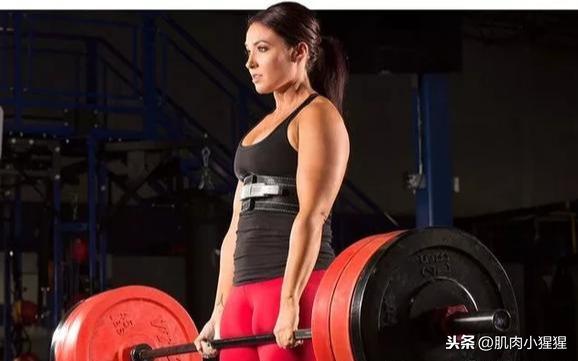
A ‘big’ sister is doing deadlifts
1. Why do you need to gain muscle?
First, it’s not that you need to be a bodybuilding champion, you need to gain muscle. Whether you are old, male or female, gaining muscle will be beneficial for your body. Some women think that muscle will make them look bulky or lose their beautiful figure. When you gain muscle properly, muscle can make you more defined.

Defined figure
As you get older, muscle becomes more important. When you reach your 30th birthday, you start to lose muscle. As the muscle decreases, your strength will decrease, your daily activities will become difficult, and your metabolism will decrease.

Zhang Jiahui
You have more muscle, the better your strength and performance will be, you will consume a lot of calories to maintain weight, if you pay attention to your diet, you will look more lean and fit, and your skin will not sag and you will not show signs of aging easily. Muscle is useful throughout life, so maintaining or increasing muscle is particularly important.

Group of male gods
During the ideal muscle gain period, the weight gained is 100% muscle. But ideal is just an ideal, reality is lean. You may also gain some fat. And the longer the training period, the more fat you may gain compared to muscle (it's more difficult to gain muscle than fat).
Some drivers might think: muscle gain is not worth it! Admittedly, in the short term, fat and muscle will increase synchronously. But in the long run, after many muscle gain periods, maintenance periods and fat loss periods, their net weight gain may approach 100% muscle.
2. When is the best time to gain muscle?
The efficiency of muscle gain is influenced by various factors. When your body fat rate is lowest, the muscle gain effect is the best. When your body fat rate is low, your body is more sensitive to insulin. When your body is sensitive to insulin, glucose is more efficiently converted into energy and released, instead of being stored in fat cells.

You can see abs
For men, if your body fat rate is below 15% or less, don’t talk to me about muscle gain. If you don’t have reliable body composition tests, you can use the 4-pack abs rule: if you can see at least 4 abs, your body fat rate is enough to gain muscle.
If you can't see 4 abs, you should first reduce fat, reduce it to a certain level, and then consider gaining muscle. After completing fat reduction, your body will be more sensitive to insulin, and muscle gain will be more efficient.
For women, 24% body fat is a watershed. If a woman’s body fat rate is less than 24%, she can consider gaining muscle. Whether you can gain muscle depends on whether you can see the top 2 abs.

For men and women, these 2 ‘abs rule’ are just for reference. In fact, if you just feel heavier, you shouldn’t gain muscle. If you don’t see any abs, you should lose a few kilograms first and then consider gaining muscle. In the following issues, I will introduce how to design fat loss diet.
3. How much protein should you eat when gaining muscle?
If you want to lose weight, you need to consume more reverence than you burn. To decide how much protein to take in, divide the increase in calories by 4.
You can distribute it evenly across 4-6 meals per day. In the example, a 90kg person, consumes 180g of protein per day, which is distributed evenly across 6 meals.
Some people choose to take 25-35g protein every 3-5 hours, which is a good choice for most people. Some people choose to take 25g every 3 hours, and some people choose 35g every 5 hours.Once you decide the daily protein intake, you can distribute it evenly across 4-6 meals.
There is one thing to emphasizeyou need to get protein from
high-quality protein foodsnot from incomplete protein (corn, beans, animal skin, bean pulp, etc.). Chicken, beef, pork, seafood, eggs and dairy products can provide complete protein (a type of protein that contains all essential amino acids in sufficient quantity and proportion).
Pay attention to your protein intake.6. Precautions for muscle gain

Now you know how to adjust your diet. When you start to gain muscle, increase your calories by 10% compared to your existing intake. For example, if your existing calorie intake is 2000, you need to consume 2200 calories.When you increase the calories (2-4 weeks), you should add more carbs. In the first stage, you add carbs to your meals to supplement.
After the first stage is over, when you continue to increase calories by 10%, you need to add more than just carbs. 50%-70% of the added calories should be carbohydrates, and the rest should be fat.Muscle gain period usually lasts 10 to 14 weeks. As you continue to gain muscle, the amount of muscle you gain decreases, and the amount of fat increases. As I said earlier, a lean body is more sensitive to insulin. The more you gain weight, the less sensitive your body is to insulin, so more glucose is converted into fat.Once the muscle gain period ends, you need to transition to the maintenance period – maintaining muscle. Its characteristic is that calories decrease slightly, mainly from reducing carbohydrates. The purpose is to make your body start to regain sensitivity to insulin and gradually get used to the new muscle.
If you reduce fat after successful muscle gain, you may lose a few kilograms of muscle.
In general, you should design a 4-6 week maintenance period. After completing the maintenance period, you can start the next muscle gain or fat loss period.
:10 x (kg) + 6.25 x (cm) - 5 x (y) + 5
:10 x (kg) + 6.25 x (cm) - 5 x (y) - 161

2:
90kg9027002/kg180
4180720180*4cal=720
4
4
9

3
90390kg27090
1/kg
45:1.5/kg
45-75 2-2.5 /kg
90-120 : 3-4/kg
120 : 4/kg
1427041080

4
7401080
2700-720-1080=9009009900/9=100
90kg90
180gkg2g)
270 gkg3
100g(kg1)
4.
0.5%-1%10%

1%
5.
3-525-353255354-690kg180630

6.
10%270010%27027002970
4
2—4

0.25%—0.5%10%20002200
2-4 10%50%-70%
1014

7.
——
46