Can You Still Exercise When You're Not Feeling Well? The ‘Neck Rule’ Recommendation
Life is about movement, and more and more people prevent diseases by participating in exercise. This is a correct choice. However, people will also encounter doubts, such as, when insisting on running every day, occasionally feeling uncomfortable, whether to exercise with illness? For example, after exercise, if you have a sore throat or cough, does it mean you are not suitable for exercise?
Exercise not only helps maintain health, but can also help control blood sugar and cholesterol levels, and increase bone strength, and relieve stress. Exercise can reduce the risk of obesity, diabetes, cardiovascular disease, osteoporosis, and cancer. Lack of activity is associated with an increased risk of various diseases, and even increases the risk of breast cancer. Relevant studies also suggest that moderate exercise is beneficial for the recovery of certain diseases or is a necessary auxiliary means.

Carry-on exercise refers to whether to interrupt the exercise plan when the body appears discomfort? The renowned medical institution, Mayo Clinic, proposed the 'neck rule' to assess whether the body is suitable for participating in exercise. Specifically, if symptoms only occur above the neck, such as, only sneezing, nasal congestion, runny nose, you can still participate in exercise, and appropriate exercise can make breathing smoother.
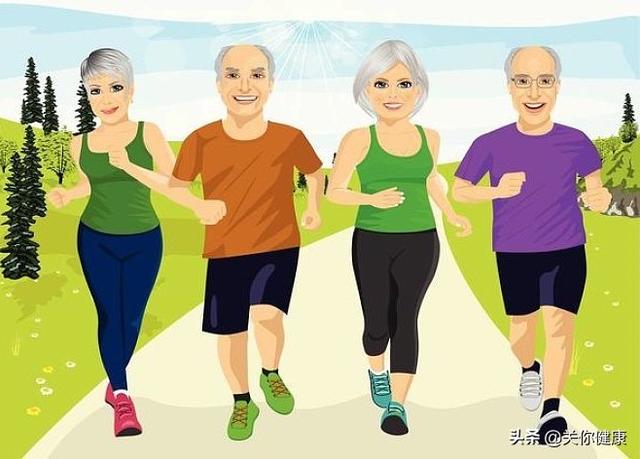
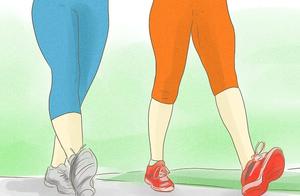
When symptoms occur above the neck, the choice of exercise should be mainly gentle aerobic exercise, maintaining uniform breathing during exercise; exercise methods can choose jogging, walking, swimming, yoga, etc.; it should be appropriate to reduce the intensity and time of exercise; it is not appropriate to perform strength training or high-intensity interval training. At the same time, it is necessary to supplement fluids during exercise. It needs to be reminded that if symptoms occur above the neck, they may be related to certain respiratory tract infectious diseases, so it is necessary to avoid crowded fitness venues to prevent the spread of pathogens to others.
When symptoms occur below the neck, such as nausea, chest pain, diarrhea, muscle pain, it should rest, stop exercising, and promptly seek medical treatment. If there is fever, fatigue, or other systemic symptoms, it needs to temporarily suspend exercise, and when the physical condition improves, exercise intensity from low to high, exercise time from short to long, gradually restore exercise, according to the body's adaptation situation, gradually restore to the previous exercise volume and duration.

People who lack exercise or cannot stick to regular exercise, if they suddenly start high-intensity exercise, they may appear discomfort after exercise, such as sore throat, headache, runny nose, cough, this is a manifestation of decreased immunity. In the professional field, it is called 'open window effect', which is caused by high-intensity exercise lasting for 90 minutes or more, leading to a 15% to 70% reduction in immunity. Because high-intensity continuous exercise will suppress immune cells, impair the function of neutrophils, and reduce the count of lymphocytes and monocytes. These changes in immune cells will bring about a temporary susceptibility to invading diseases. Studies have shown that regular moderate-intensity exercise will enhance immune function.
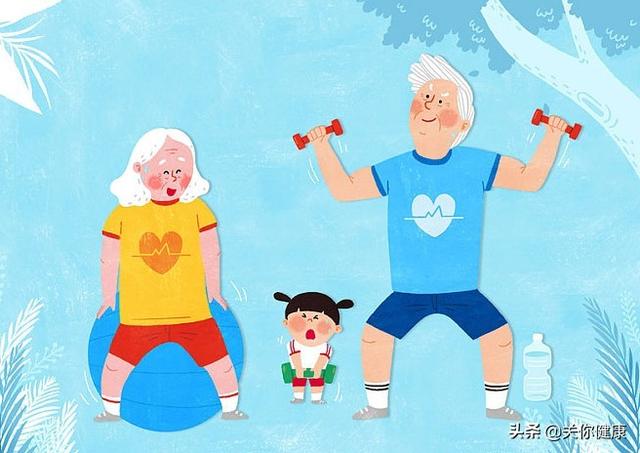
Whether exercise brings cardiovascular health benefits is influenced by various factors, mainly including exercise intensity, exercise type, and exercise form. For example, sedentary adults have an increased risk of atrial fibrillation. If they perform light to moderate exercise, the risk of atrial fibrillation will be greatly reduced. If they perform high-intensity or long-duration exercise, the risk of atrial fibrillation will increase. Suddenly, intense exercise, such as people who lack exercise habits, like participating in a marathon will increase the risk of acute myocardial infarction or sudden cardiac death. Therefore, the American Heart Association's exercise safety recommendations include: before exercise, perform a slow warm-up activity to gradually increase heart rate; after 6 to 8 weeks of ground-level activity, then transition to more intense exercise such as climbing or jogging; exercise time starts from 5 minutes and gradually increases; after exercise, calm down with a slower rhythm to restore heart rate to normal; if you experience dizziness, lightheadedness, rapid breathing, chest pain or tightness during exercise, stop immediately and seek medical attention.
Love who, give health to who.
Your health, my concern.
Professional personnel observe health from a scientific and humanistic perspective, including quick news, details, reminders, explanations, observations, viewpoints, historical stories, anecdotes, etc. The content is original works by Wei Hongling and his team. Please do not infringe on any form of copying, linking, or reprinting without permission. Otherwise, we will pursue legal responsibility according to relevant laws.