Why are Snakes so Afraid of Yellow Arsenic? What Reaction Do Snakes Have When They See Yellow Arsenic?
Snakes don't actually fear yellow arsenic; they avoid it because they find the smell unpleasant.
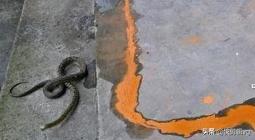
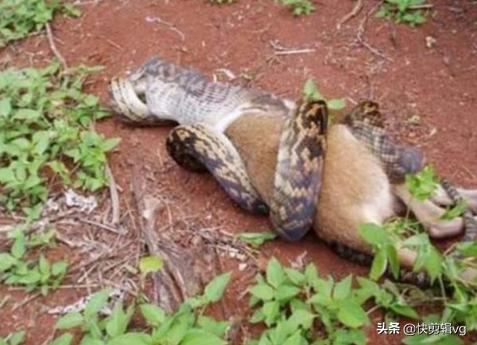
Previously, people used yellow wine or yellow arsenic powder to deal with snakes, which showed that neither yellow wine nor yellow arsenic powder could completely harm snakes. However, yellow arsenic wine and yellow arsenic powder do have a repellent effect on snakes. When snakes encounter these two things, they will choose to avoid them if other options are available.
Central Television and other media have conducted experiments on snakes and their fear of yellow arsenic. For example, media placed white mice covered in yellow arsenic powder in front of snakes, and ultimately the snakes ate them. This shows that yellow arsenic does not have a poisonous effect on snakes.
Detailed introduction to yellow arsenic
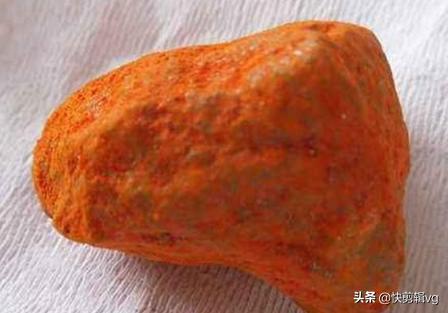
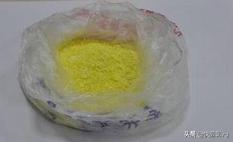
Yellow arsenic, also known as tetrasulfur tetrasulfide (As4S4), is typically a granular orange-yellow solid or orange-yellow powder, with a soft and brittle texture. It is often found with vitriol (iron sulfate), also known as rhombic lead sulfide (PbS), or antimony trioxide (Sb2O3). When heated to a certain temperature in the air, it can be oxidized into highly toxic arsenic trioxide (As2O3), also known as arsenic poisoning.
Actually, yellow arsenic is a gastric poison. A gastric poison is a poison that produces a toxic lethal effect on pests by acting on their stomachs and digestive systems. Most of the rodenticides used today are gastric poisons. Snakes are very sensitive to it; however, yellow arsenic mixed with alcohol is more effective, with a greater range and intensity, because ethanol can act as a 'diluent' to enhance the volatility of yellow arsenic.