Giant Fish Highly Toxic! Buying Them Home Leads to Premature Death... (Goldfish Compendium)
The fish produced in large aquaculture facilities, aside from the inherent advantages of the fish themselves, have always been a mystery. Many fish enthusiasts who spent a fortune on large fish found that their fish deteriorated significantly after a short period. Worse still, some fish died shortly after, without any apparent illness.
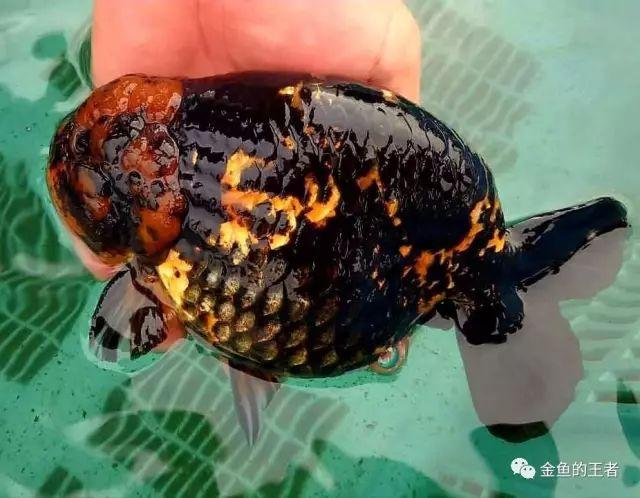
Aquaculture facilities rely on large water bodies to delay the decay of the water, providing a superior living environment for large goldfish. Once these fish are released into the players' environment, they often lack sufficient dissolved oxygen and face a sudden change in environment, leading to water shock.
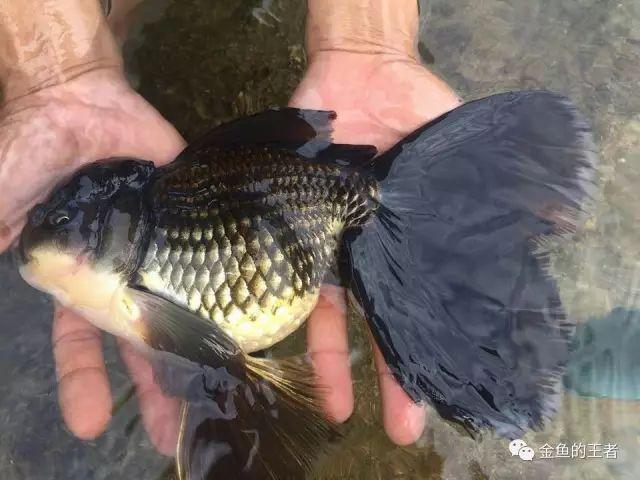
Furthermore, the market effect, which rushes to grow large fish in a short period and then sell them for profit, is not simply due to the reliance on large water bodies for the environment. During this period, growth agents, abuse of drugs, and overfeeding with high-protein fish food, ignoring the fish's health, all in pursuit of quick results.
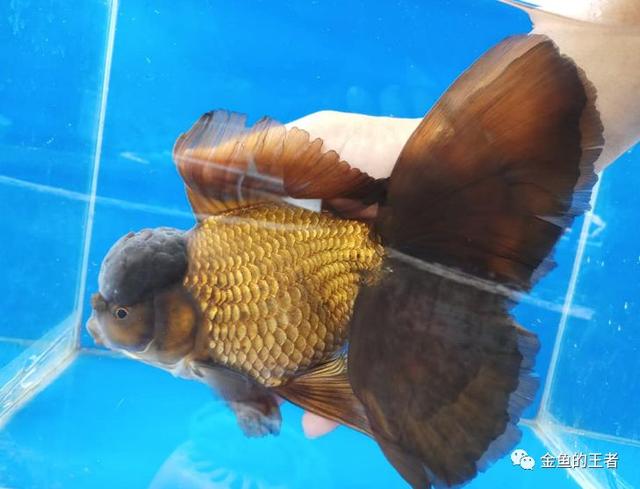
Because they are not edible fish, the supervision is often lax, even negligent. As a result, the fish appear impressive on the surface, but their bodies are weak, and their breed characteristics and physical details are neglected. Their natural immune system is also weakened, leading to a series of new viruses. Alas, lamentable!
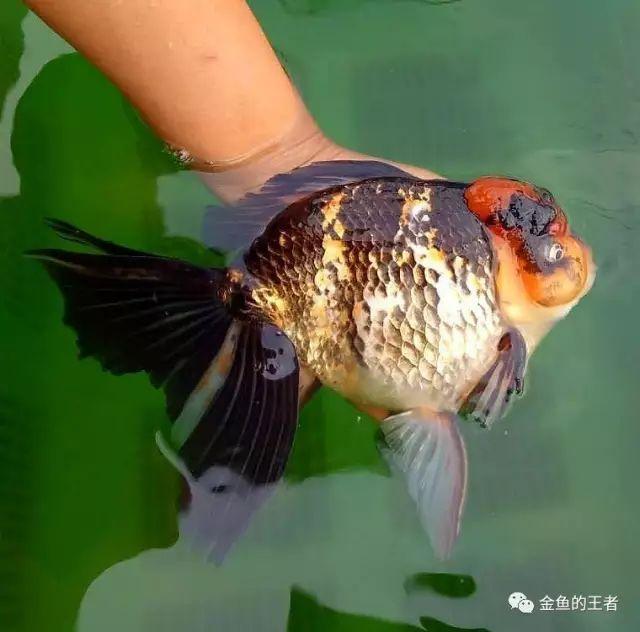
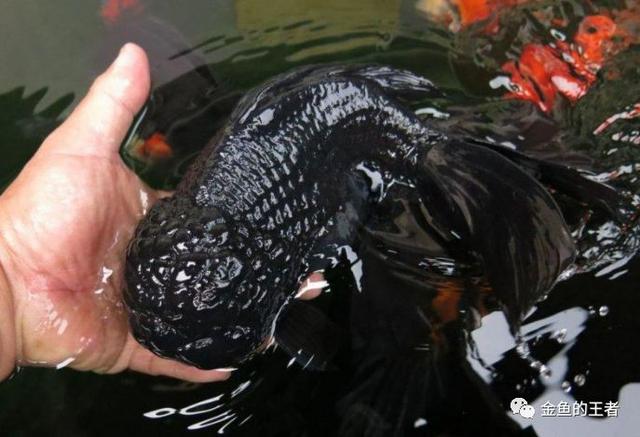
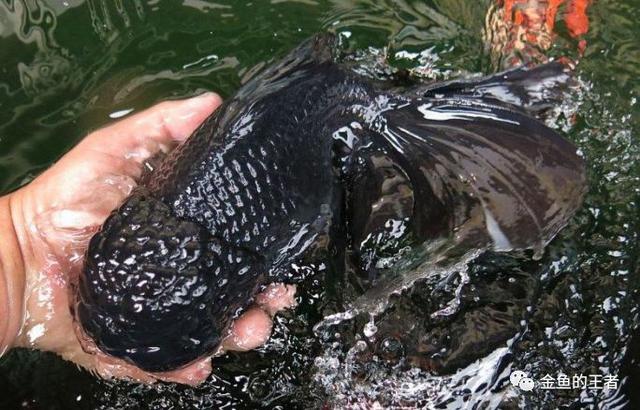
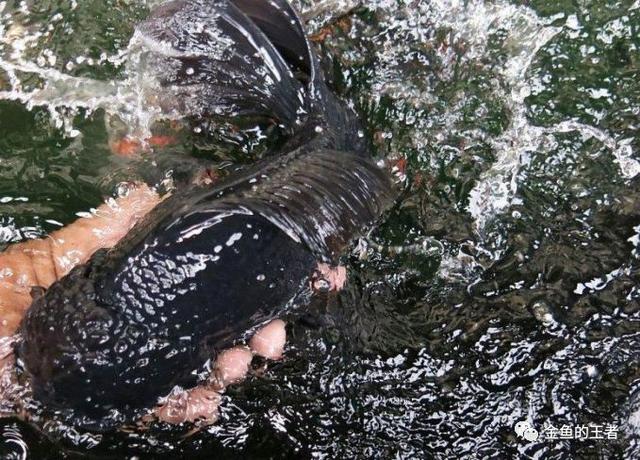
It's not difficult to determine whether a fish was raised using this method. When you gently hold the fish, it feels stiff and lacks elasticity.
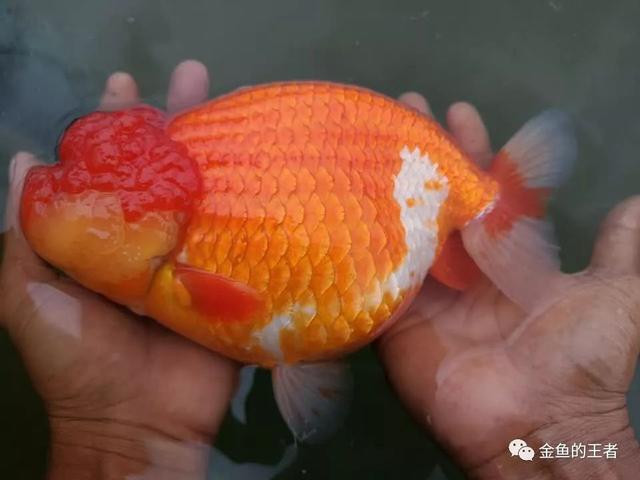
At the beginning, the fish are lively and active, but after a few days or a week, their movements slow down, and they are plagued by illnesses. This indicates that the fish is poisoned.
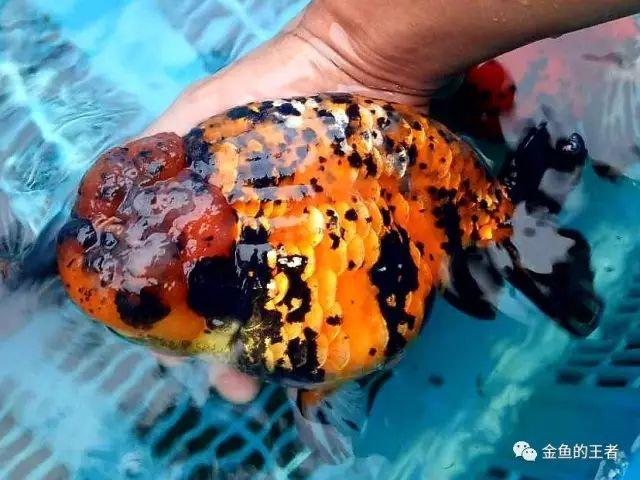
Detoxification Program:
At the beginning, don't feed the fish excessively just because they eagerly eat. For the first few days, only feed them a small amount to allow them to recover their strength. Then, perform a medicinal bath. The medicinal bath prioritizes removing external parasites, immersing the fish in the solution without feeding.
The medicinal bath typically takes 4-5 days. Afterward, change half the water and add activated carbon to the filter to absorb residual fish medicine for half a day before removing it.
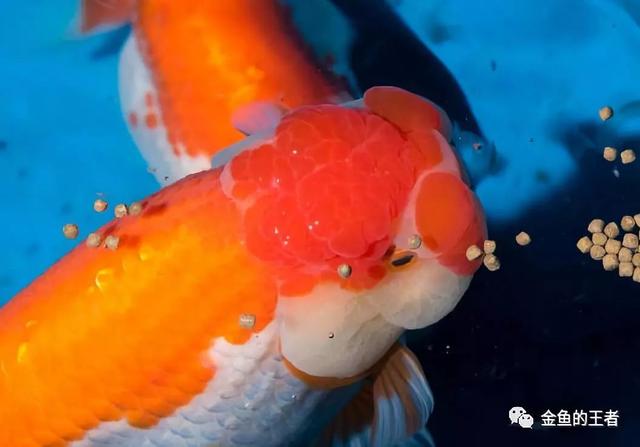
Start feeding again after a day, and the amount fed should still be minimal, avoiding overfeeding.
Don't be saddened if the fish looks a little thinner; this is a necessary process that lasts about a month.
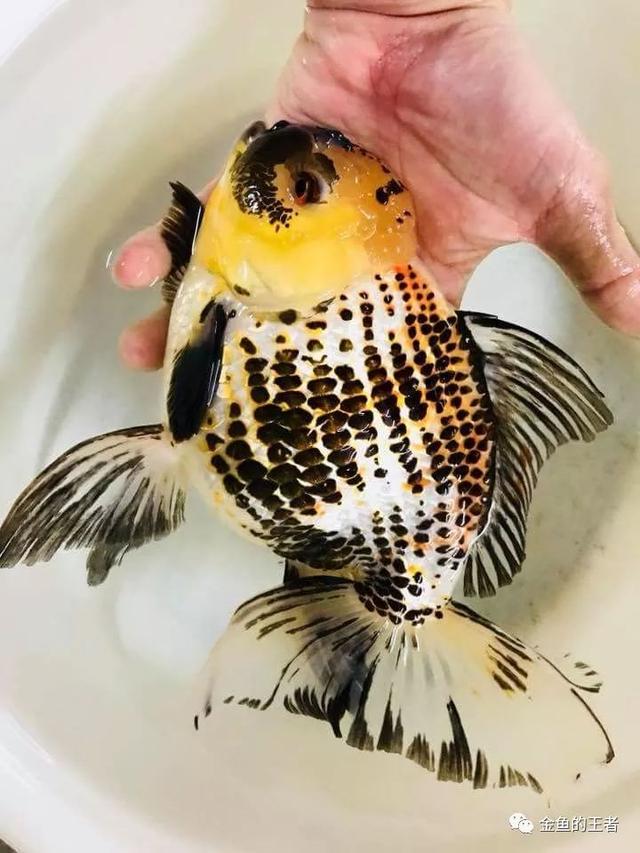
During this period, carefully observe the fish's condition. If you notice any complications (like colds, abnormal mucus, or gill diseases), immediately conduct a relevant medicinal bath.
After passing this critical period, the fish will generally return to normal. However, you should still remain cautious and continue to reduce the feeding amount while maintaining a measured approach.
Approximately 2-3 months after adaptation, the fish can fully adapt to the environment and water quality, and then you can use the 'full bloom' technique to allow them to flourish.
——Thanks to the Rainbow Goldfish——
Ten-year Taobao high-credit, Japan imported feed regular authorized
Goldfish related aquarium supplies specialty store
Add wei yzcaihongjinyu
Actual case:
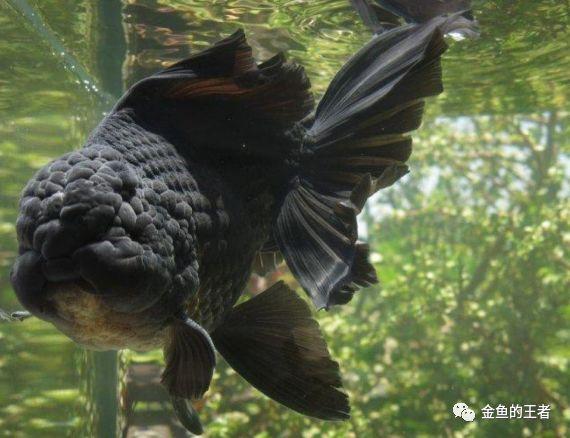
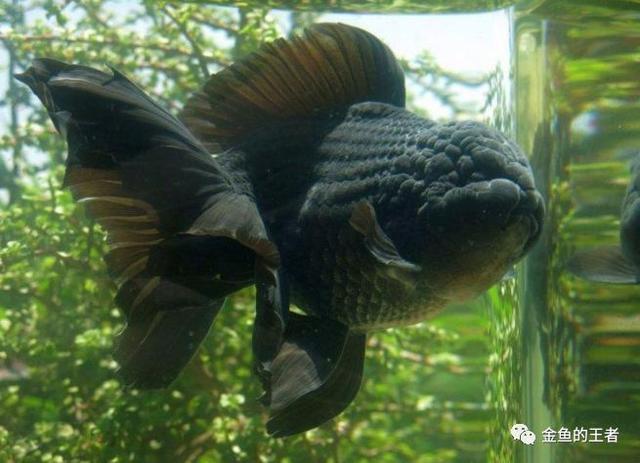
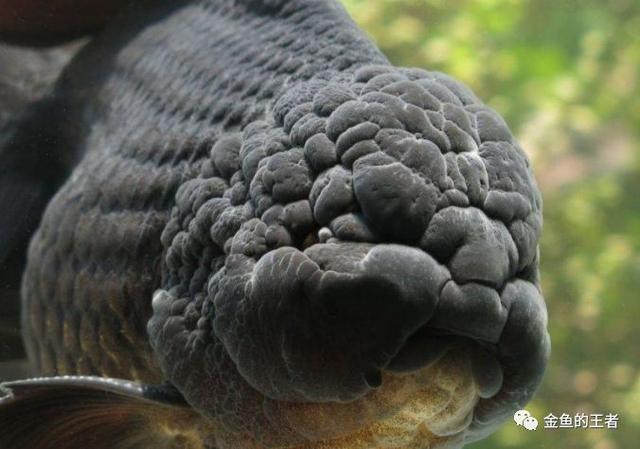
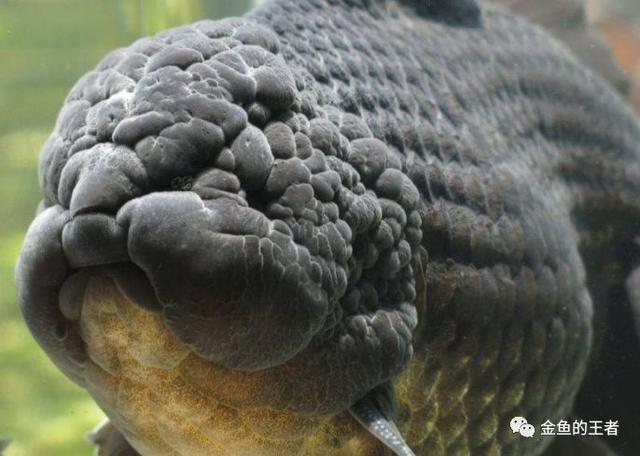
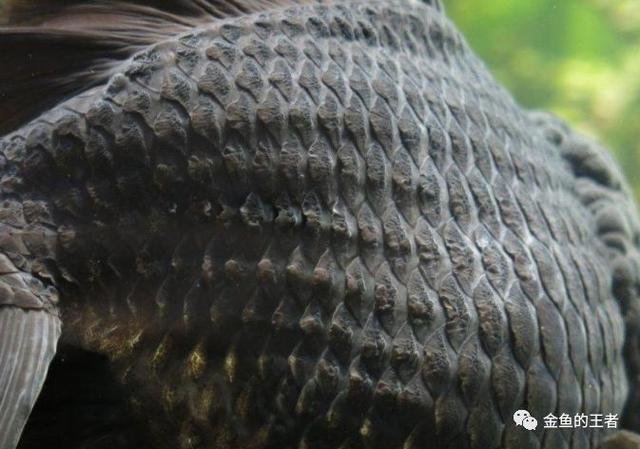
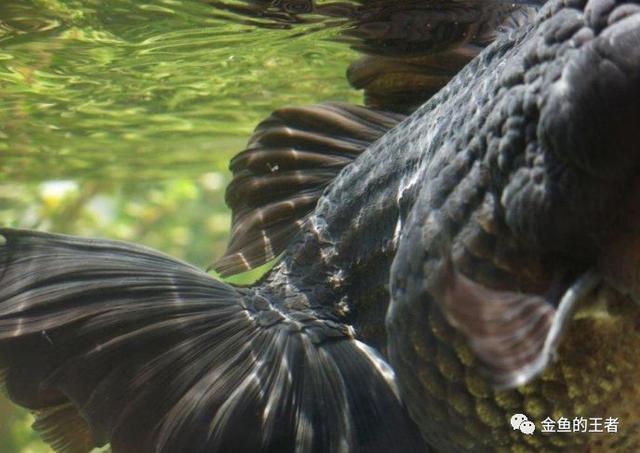
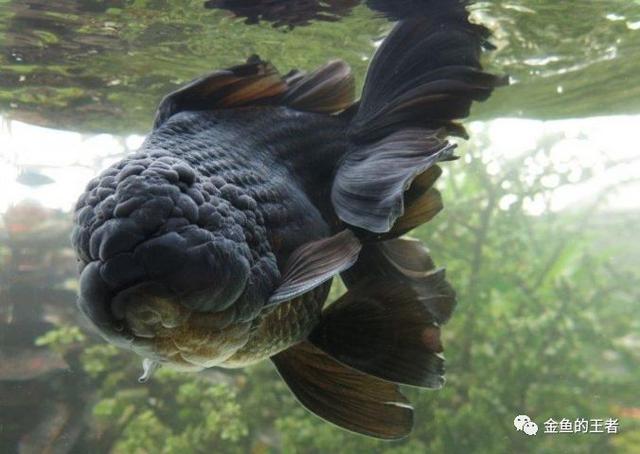
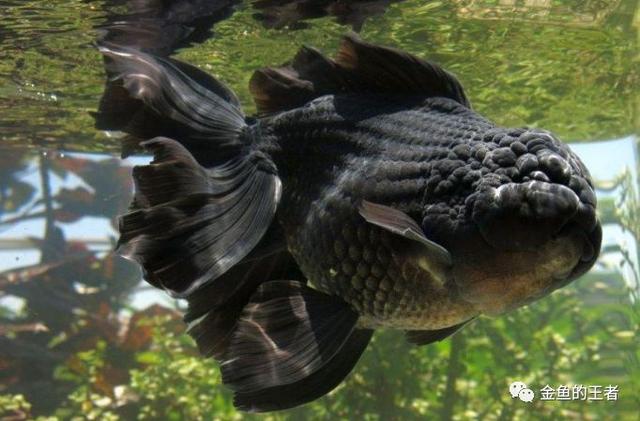
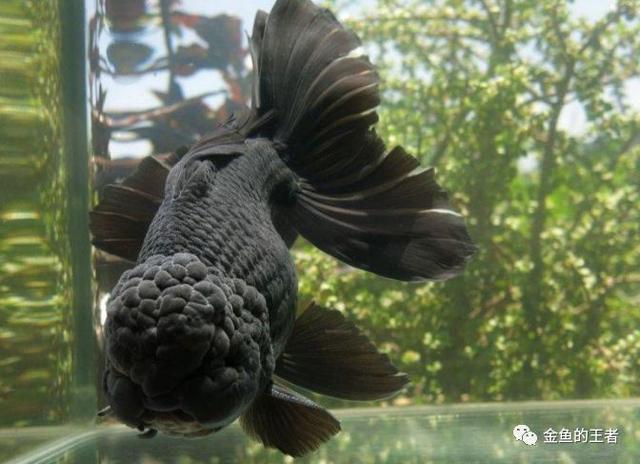
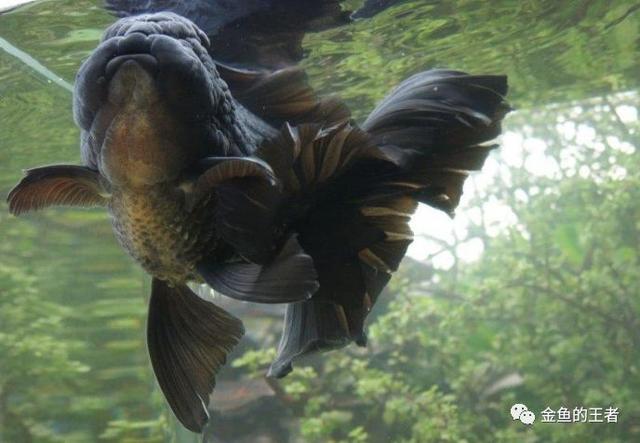
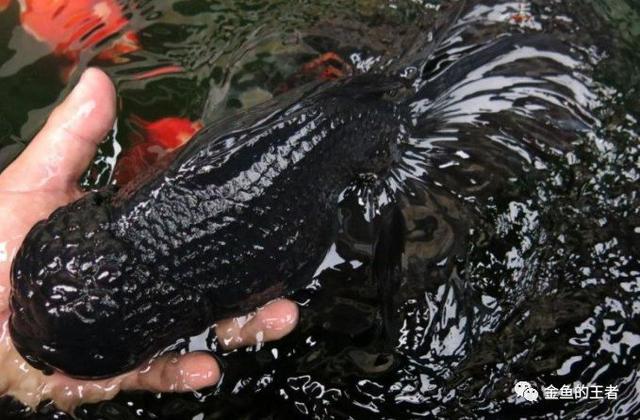
A black Thai lion that was adjusted for over a month measured 30cm, a male fish. With proper adjustment, the visual impact of large goldfish can also be very striking!