Cat Esophageal Diverticulum(4) Esophageal Pouches
What is a esophageal diverticulum?
Esophageal diverticula can mimic many other common and harmless symptoms, such as a foreign body or occasional stomach upset.Although vomiting or regurgitation may be mild, if the symptoms of an esophageal diverticulum recur or persist, it is important to seek veterinary care for your cat. A cat's esophagus is a narrow, sensitive tube connecting the cat's throat and stomach, carrying food and water for digestion and conversion into nutrients.
An esophageal diverticulum is a pouch-like formation that develops in the cat's esophagus. These pouches vary in size and can cause a range of side effects and secondary digestive-related diseases, affecting your cat's overall health.
Cat esophageal diverticulum symptoms
Esophageal diverticula can cause food to become trapped within the pouch, leading to a series of problems. Cats may exhibit signs of this condition, including: Frequent vomiting after eating, vomiting, lethargy, weight loss, choking, difficulty swallowing, aspiration pneumonia
There are two main types of esophageal diverticulum:
1, Propelling diverticulum
These types ofEsophageal diverticulum often begin at the lower portion of the esophagusWhen increased pressure in the esophagus causes inflammation, resulting in an outward or pulsating pressure.
2, Traction diverticulum
This type ofEsophageal diverticulum involves inflammation of the esophagus and surrounding tissues.When this inflammation occurs, fibrous tissue contracts, producing an outward pull on the wall.
Causes of esophageal diverticulum
Esophageal diverticulum can be genetic or acquired, meaning the formation of pouches may have underlying causes or develop over time.
Common causes of esophageal diverticulum include:
- Foreign body obstruction within the esophagus,
- Genetic factors
- Side effects of megaesophagus, which prevents food from moving normally through the esophagus into the stomach disease, this disease occurs during the cat's esophageal wall development
Diagnosis of esophageal diverticulum
Diagnosing an esophageal diverticulum will begin with a thorough physical examination. The veterinarian will need a complete medical and physical history of your cat. Owners should attempt to record detailed symptoms of their cat, paying particular attention to the timing of vomiting, approximate onset of symptoms, and the degree to which symptoms worsen or improve over time or vary depending on when or where the cat eats or at what time.
You should also let your vet know if your cat is allowed outdoors or if it has recently experienced any trauma or has ingested any foreign objects.
After considering the information you provide and examining any visible clues in your cat,The veterinarian will schedule a series of internal imaging tests to accurately and thoroughly view your cat's internal structures.This can be done through X-rays, MRI, or ultrasound.
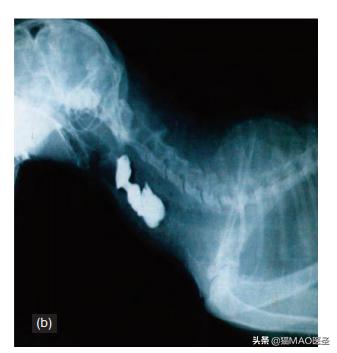
The preferred imaging method for esophageal disease is barium swallow radiography. Barium returns to X-rays, so the images produced show the internal structure and any abnormalities or damage.
Barium is a harmless substance that is administered to your cat via a small needleless syringe. Then this viscous liquid is swallowed by the cat, covering the inner lining and pouches of the esophagus. The veterinarian will quickly examine it with a standard X-ray, allowing them to determine the location, size, and shape of the diverticulum.
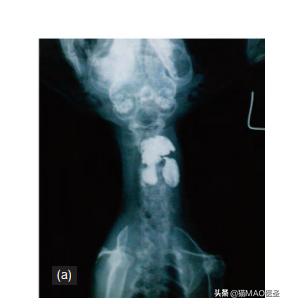
Treatment of esophageal diverticulum
Treatment of an esophageal diverticulum will depend on the severity and cause of the condition in your cat.Small diverticula may resolve with appropriate feeding and care. Your veterinarian will give you a soft, easily digestible food that should be fed to your cat while it is standing upright. This will extend your cat's esophagus, preventing food from becoming trapped in the pouch, and provide time for healing.In severe cases, or if the condition is present from birth, or if the pouch is very large, surgery will be necessary to correct the condition.Surgery will involve anesthetizing your cat, and the veterinarian will make a small incision in the cat's neck. Then they will carefully suture any protrusions, or completely remove the pouch. Your cat will need to stay in the hospital for a few days and will receive antibiotics and supportive care to prevent post-operative infections.
Recovery from a cat esophageal diverticulum is generally good with appropriate follow-up care. If your cat has undergone surgery to improve this condition, you need to keep it in a quiet place, away from other pets and young children, once they are allowed to go home. Your cat will need follow-up examinations to confirm that the condition has fully resolved and to remove any sutures.