Do Pets Have Ethics and Morality? And Why Does Inbreeding Lead to More Diseases? Why Do We Still Choose Backcrossing?
Theoretically, the probability of genetic diseases in purebred or purebred dogs or cats is the same as that of other animals. However, when breeding purebred cats or dogs, sudden genetic mutations occur, resulting in a trait that the public likes or is surprised by, breeders often implement a series of unethical operations, ultimately obtaining a special breed of pet, which inevitably leads to an increased probability of genetic diseases.
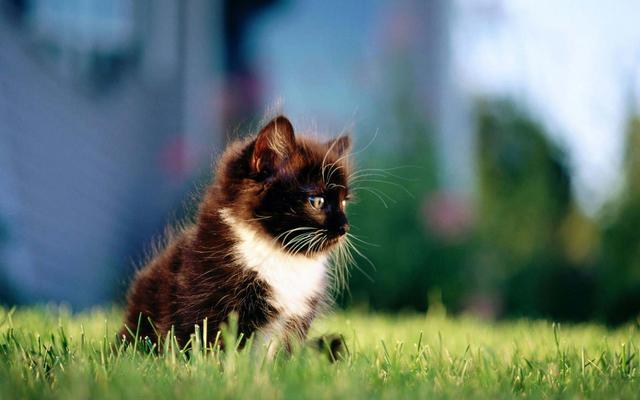
gene mutation and inbreeding
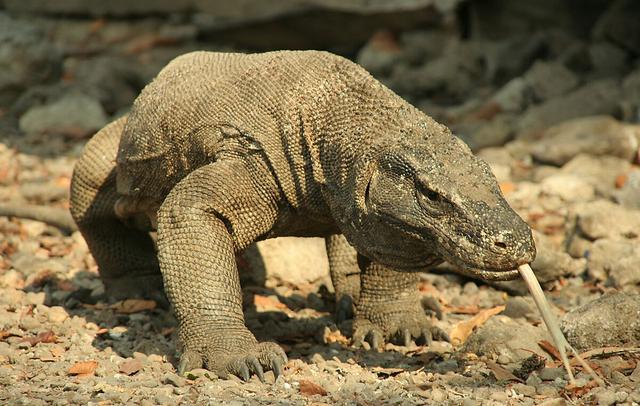
The earliest sexual reproduction on Earth is believed to have begun about 120 million years ago. Its appearance made it possible for the genes of offspring to diversify, increasing the variety of changes that could appear during evolution. Therefore, from asexual to sexual reproduction is a major leap. Most of the higher-level life forms today are engaged in sexual reproduction, but a small number can also undergo asexual reproduction, such as Komodo dragons. However, they only undergo self-sperm formation, more accurately, they simply do not need to be paired with another sex. Komodo dragons undergo self-sperm formation, which is a matter for your imagination. Please imagine it freely!
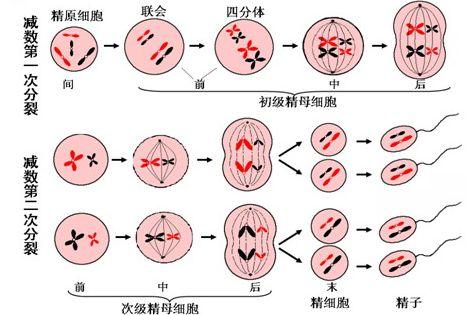
In meiosis, each pair of chromosomes usually cross over to achieve the purpose of genetic recombination!This is very critical. Genetic recombination can compensate for the defects in both sides, which is why inbreeding is prohibited. Because the genes of close relatives are inherited by parents, the genetic diversity is insufficient to eliminate the defective genes of the offspring to a probability below a certain level. Therefore, inbreeding leads to a high probability of genetic diseases in offspring. Many people may cite the case of their own health and their parents are cousins, because for friends over 40 years old, such cases are still quite common.
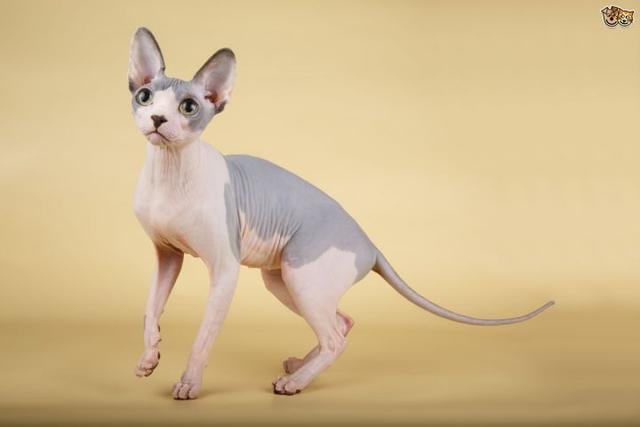
Regarding the Sphynx cat's origin
In 1966, pet cat breeder Riyadh Bawa discovered a Canadian short-haired cat giving birth to a male kitten with sparse hair. Riyadh Bawa thought he had a great opportunity. The following operations may not be bearable because they are completely unethical!
Riy Riyadh Bawa wanted to maintain the sparse hair feature of the male kitten, so he mated it with its mother, giving birth to a completely hairless kitten. This is where the combination of the existing genes of both sides is carried out, resulting in the expression of the gene of hairlessness, so the gene of hair will be completely displayed.
This method is called backcrossing, but backcrossing in plants does not exist ethically, because the second or third generation is crossed with the first generation, but the range of generations of plants is very wide, such as 'parents', or 'uncle', or 'parent and uncle' 'friends', so the second and third generations of plants are backcrossed with 'parents' 'friends', which does not exist ethically.
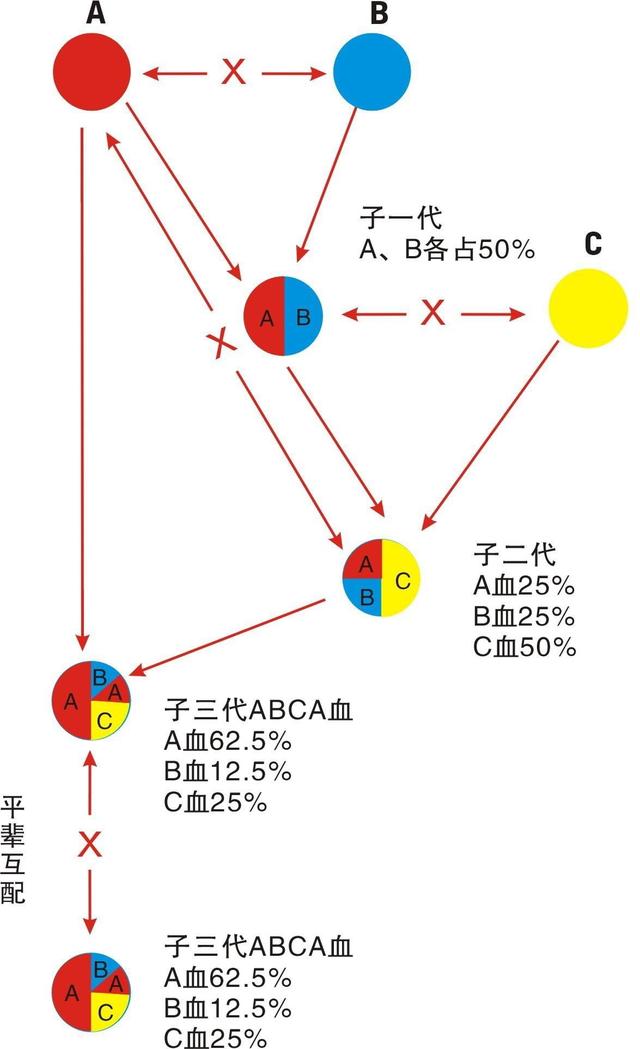
However, this hairless cat is unique, and globally it is only one. Therefore, in the selection of the backcrossing object, there is no room for negotiation, so humans are driven by interests and force animals to make unethical things, of course, this is very common in the pet industry, and there are special institutions to select defective breeds that humans like, this is the breeding process of popular breeds. In the end, animals also have ethical and moral issues, but human interests have crossed the bottom line.
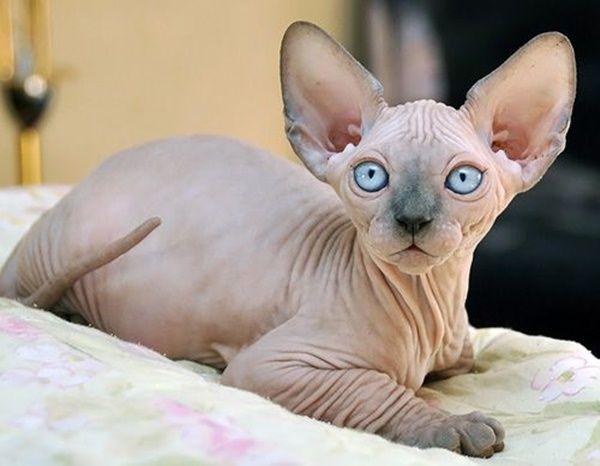
This hairless cat was later named Sphynx cat. Its price is at least several thousand, or even tens of thousands. The difference in price is not due to the amount of hair, but to the aesthetic standards of Sphynx cats.
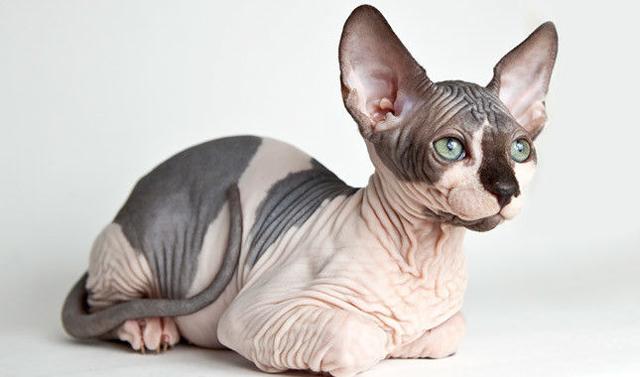
Furthermore, it is important to note that blue-eyed white Sphynx cats are very likely to be congenital deaf (probability above 50%).
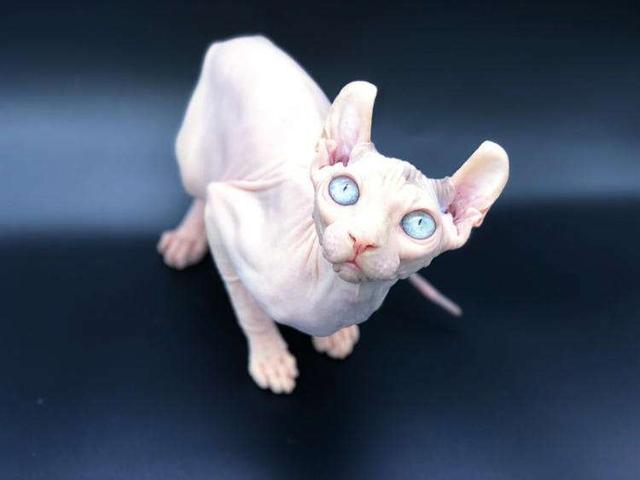
There is also a fascinating phenomenon that everyone's hairless cats are different, but after crossbreeding, the remaining cats are hairy. Globally, besides Sphynx (Sphynx), there are other hairless cats, namely:
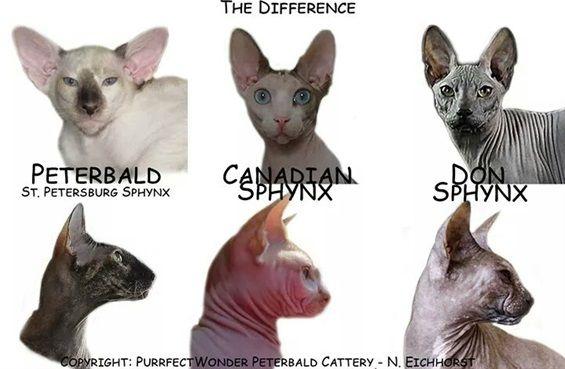
Donskoy
- Peterbald
- These three cats have no reproductive isolation, they are allowed to breed the next generation, but because the gene expression of these cats is not consistent, it is impossible to 100% get a hairless kitten, because Donskoy and Sphynx look very similar, many people think they are just differences in individual appearance, without realizing that they are already completely different breeds.
100%