Why Some Snakes Are Poisonous and Others Are Not? How Did This Evolution Develop?
Nature has many kinds of snakes, which can be mainly divided into two categories: non-venomous snakes and venomous snakes. The most important sign for distinguishing these two types of snakes is whether they have venomous teeth and venom glands. Non-venomous snakes do not have venom glands, and their heads are usually oval-shaped. Venomous snakes, on the other hand, generally have a pair of venom glands on the sides of their heads, behind their eyes, so their heads on both sides are usually significantly enlarged and triangular. At the upper jaw of the venomous snake, there are also venomous teeth, and the venom secreted from the venom glands enters the body of the animal bitten by the grooves on the venomous teeth.
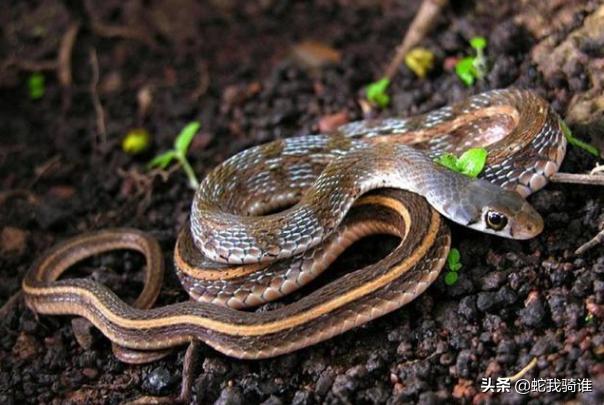
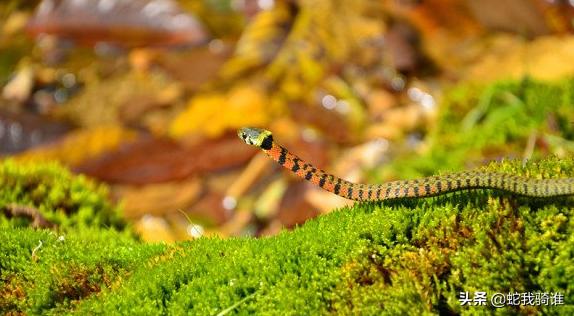
Venomous snakes' venom glands evolved from salivary glands, which means that some snakes have evolved from non-venomous to venomous through the course of evolution. Many scientists believe that the evolution of venom glands will benefit snake predation and feeding. Because venom can act on the nervous system and circulatory system, it can cause the prey to be fatally injured within a short period of time, so snake predation becomes easier and more efficient; venom also has digestive function, it can dissolve the prey's tissues, allowing snakes to swallow and digest food faster. In addition, snake venom is also a weapon for self-defense.
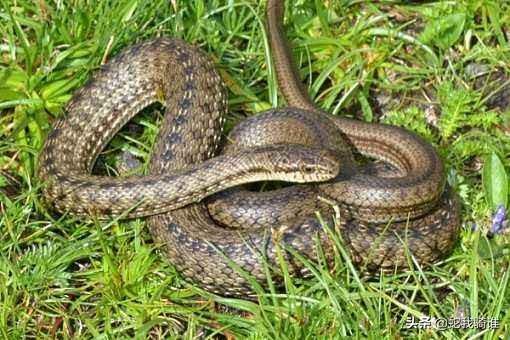
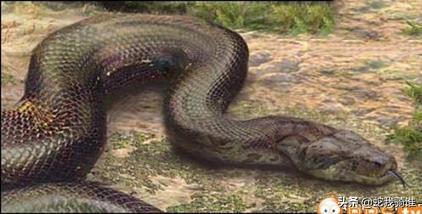
Venomous snakes are the products of evolution. Compared to non-venomous snakes, they seem to be able to adapt to the environment and survive. So, are non-venomous snakes therefore easier to be eliminated in natural selection? Not at all. For example, pythons are one of the oldest snake species in the world today. Large snakes like them have strong attack power and don't need venomous teeth to successfully capture prey; some non-venomous snakes also have bright colors and spots similar to those of venomous snakes, which allows their enemies not to take the risk of eating them. That's how wonderful nature is, and every animal has its own set of skills to evade enemies and maintain survival, which makes nature even more colorful and rich.