This insect's feeding method is unique, without teeth, but a nightmare for bees
The diverse feeding methods of animals are incredibly varied and far from simple. Especially in the insect world, the various mouthparts of different insects are dazzling, and their feeding methods are also different. In carnivorous larvae, a feeding method of a mosquito larva is particularly interesting.
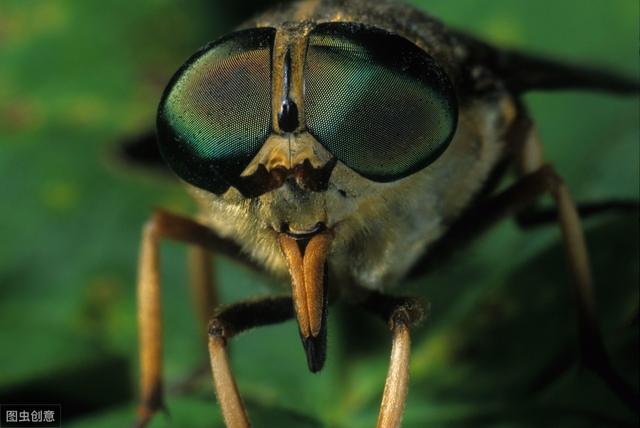
No bloodletting
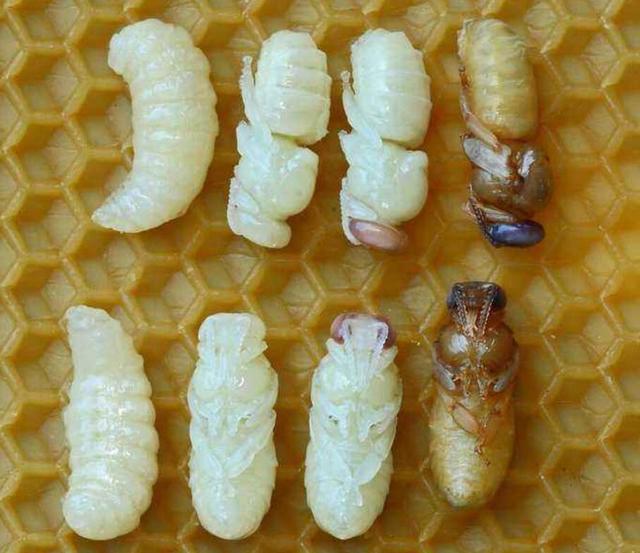
The mosquito larvae do not fly, it is like a 'big white worm', it is naked, smooth, and hairless. Its body is milky white and forms a neat ring at each segment. When it's stationary, it's bent, and when disturbed, it becomes almost straight. Even the head is no bigger than a needle. The mosquito larva's most interesting thing is its feeding method. In the animal kingdom, carnivorous animals' feeding scenes are full of blood, but the mosquito larvae's feeding method is unique, and you can't even see the victim's wound. This is really amazing.
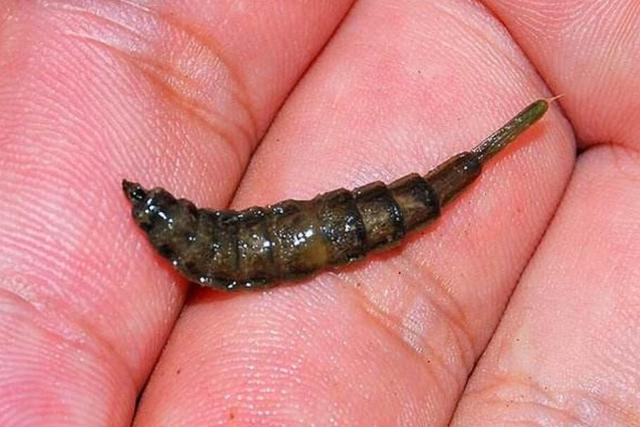
(Mosquito larvae)
Cruel suction
Like the dragonfly larvae eat caterpillars, they will drill a hole in the caterpillar they eat, and then insert their head and neck deep into it. This greedy little guy doesn't even take a break, so it keeps drilling, swallowing, digesting, and excreting until the caterpillar is nothing but an empty shell. If someone pulls it open, it will only hesitate for a moment, and then it will still look for the place where it just ate. The mosquito larvae and this insect's feeding method are similar. However, it doesn't have the former's severing action, nor does it stubbornly seek the old wound. If you brush it with a brush, it will immediately avoid it, but you can't see any wound or skin damage on the victim. Soon, the larva will extend its powdery head to the food and easily fix it there. If you brush it again, it will evade again, but it will easily extend it to the side of the food.
The mosquito's mouth has no teeth to bite into the target's skin, tear it open. If it used its pincers like most chewing insects to clamp on the muscle, the larvae would inevitably try to clamp one or two pieces before leaving, and the weak skin of the insect would inevitably break. However, the mosquito larva just attaches its mouth to the food or retreats. The mosquito's use of suction to obtain food is related to its unique mouth shape. Its mouth is like a small, cone-shaped crater, with yellow-red edges and a faint line around it. Underneath the funnel is the throat. There is no gill or jaw trace, nor any organ that can bite or chew food, so it can't chew. Its mouth is like a cup-shaped hole. Its attack is a 'kiss'.
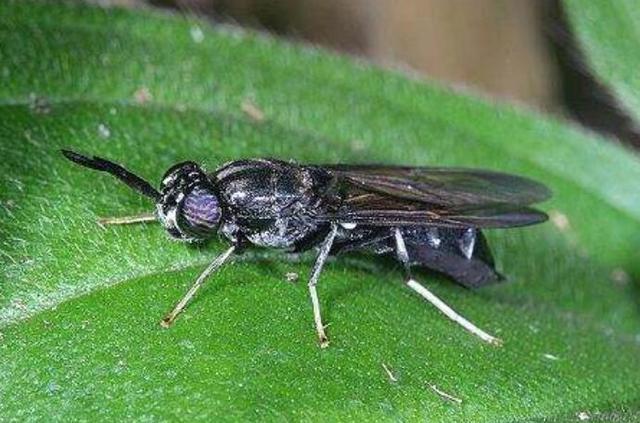
(Mosquito adult)
The nightmare of bees
Because the mosquito larvae use this special predation method, their prey mainly focuses on worms, bee larvae become their main target. For bees, the mosquito larvae are unwelcome guests. These larvae place their mouths on any part of the bee larvae. If anything disturbs it, it will stop 'kissing' immediately, and if it wants to, it can easily continue. The plump, shiny and healthy bee larvae will become weak and thin after three or four days of this strange 'kissing'. Its surroundings are concave, its skin is wrinkled, and it obviously shrinks. However, it becomes more severely depleted after a week. It becomes thin and wrinkled, as if it can't even support its own weight. If the mosquito 'kissing' continues, it will suck it dry, and eventually it will become a deflated balloon, gradually shrinking. If you continue the mosquito 'kissing', it will suck it dry, and eventually it will become a deflated balloon, gradually shrinking. If you continue the mosquito 'kissing', it will suck it dry, and eventually it will become a deflated balloon, shrinking gradually. If you continue the mosquito 'kissing', it will suck it dry, and eventually it will become a deflated balloon, shrinking gradually.
In general, within 12 to 15 days, the remaining bee larvae is only a white dot, almost no bigger than a needle. If you put this small residue in water, you can blow it up with a very thin glass tube, and you can't find any pores.
This carnivorous larva is very cunning and chooses its attack time. Its body is almost invisible, and after a thorough preparation, it crawls on the bee larvae. The bee larvae will start to atrophy. The bee larvae has no attack force, and the mosquito larvae can let the opponent 'chronic death', and it almost doesn't feel any pain.
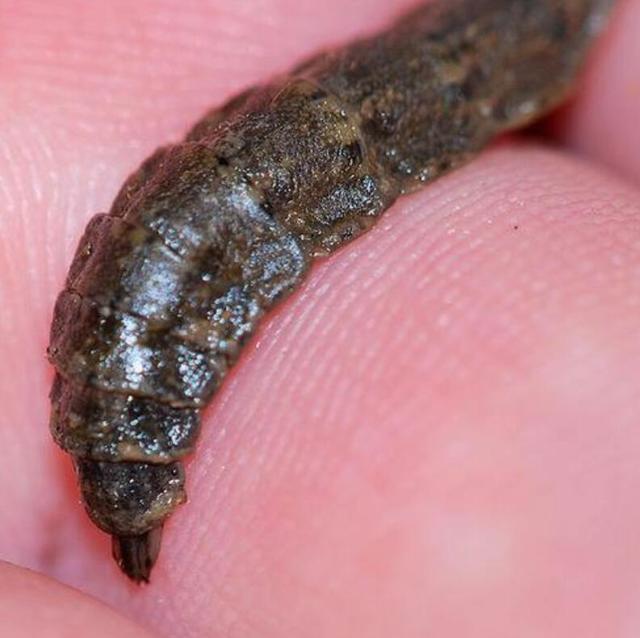
Many insect larvae become the victims of mosquito larvae until the end. If the insect larvae turns brown and rots within 24 hours, it has really died. In fact, the food hasn't changed color or rotted two weeks later. This shows that the bee larvae's life will continue until it is completely reduced. But if you make a wound on the bee larvae, its whole body will turn brown and rot soon. This is a chronic death process, and the bee larvae hardly feels pain.
The mosquito larvae eats with care, and doesn't eat the liquid part of the insect larvae, except for the liquid part. It doesn't damage its nervous system and organs, so it won't cause a fatal injury. Because these insects' tissues and nervous system are not damaged, their lives can continue.
(Bee larvae)
The mosquito larvae's unique feeding method has been passed down for millions of years. Its larvae don't have strong teeth and are not fully armed, but with this ingenious feeding method and flexible attack time, it can taste the blood of stronger enemies. The cunning mosquito lets the victim 'chronic death', and it almost doesn't feel any pain.